Care Guide for Chinese Antique Furniture: 5 Dos & Don'ts
Understanding the Craftsmanship of the Past
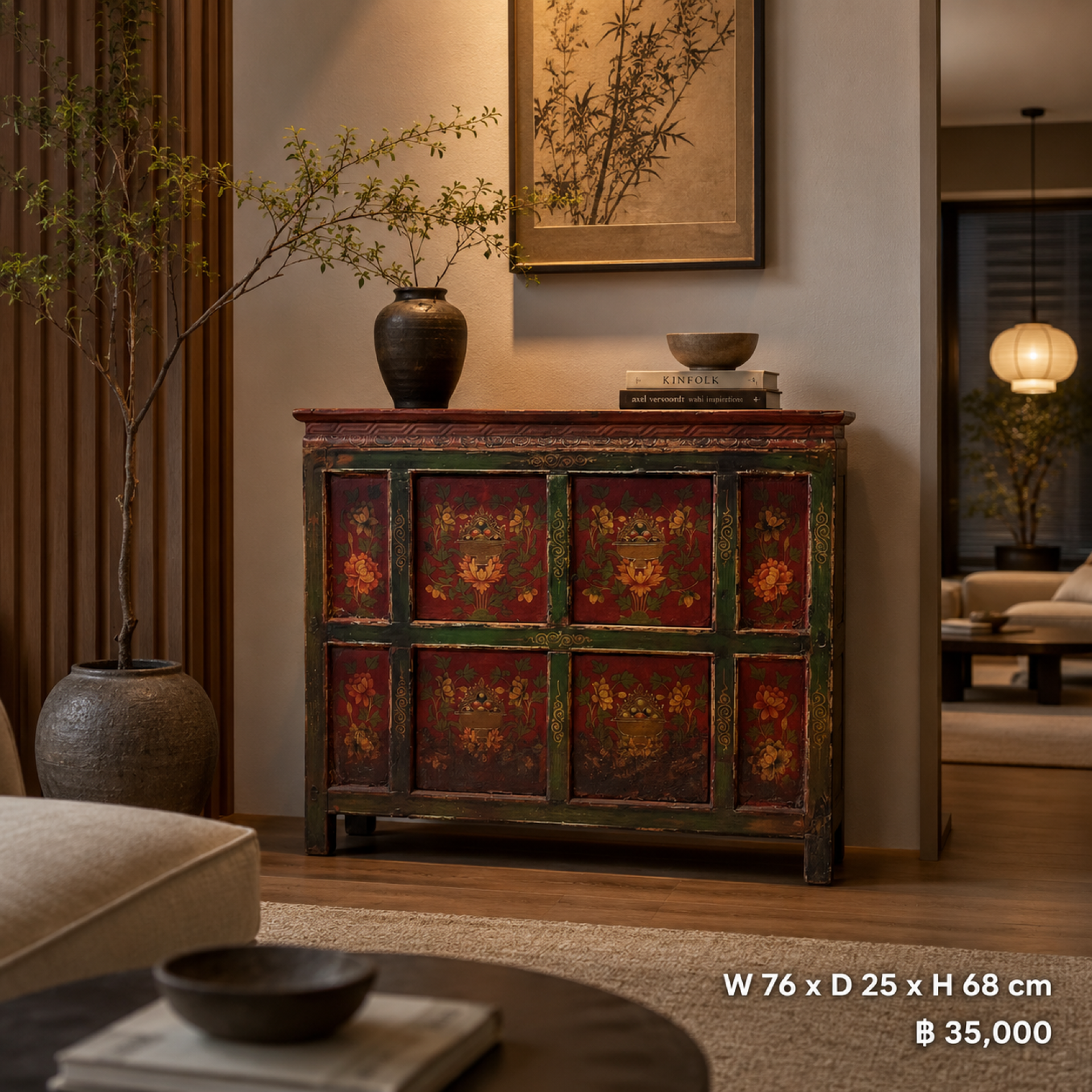
Before diving into the cleaning process, it is essential to understand what makes these pieces so special. Traditional Antique Furniture from the East was often crafted without a single nail, utilizing complex mortise-and-tenon joinery and finished with natural raw lacquer. This means that caring for them requires an approach that respects their organic nature and historical integrity.
The 5 Essential "Dos" of Antique Wood Care
Do Dust Regularly with a Microfiber Cloth: The simplest way to maintain the luster of your collection is frequent dusting. Use a soft, dry, lint-free microfiber cloth to gently wipe away debris. At Chinese House, we meticulously curate pieces with an exquisite, naturally aged patina, and regular dusting ensures this gorgeous surface remains free from abrasive dust buildup.
Do Control Indoor Humidity: Wood is a living material that breathes. For collectors of Antique Furniture Bangkok, the tropical climate presents a unique challenge. Keep your home’s humidity levels as stable as possible using air conditioning or dehumidifiers to prevent the wood from expanding or contracting too quickly.
Do Use High-Quality Beeswax: Once or twice a year, treat your pieces to a light coat of high-quality, clear beeswax. This feeds the wood and protects the lacquer. If you have a spectacular Antique Cabinet, a gentle wax application will bring out the deep, rich tones of the natural wood grain.
Do Protect from Direct Sunlight: Prolonged exposure to harsh UV rays can bleach natural wood and cause historical lacquer to crack. When planning your Home Decoration, strategically place your valuable items away from direct, unshaded windows.
Do Handle and Move with Extreme Care: When relocating pieces, never drag them across the floor. If you are moving heavy Antique Chairs, always lift them by the seat frame or the sturdiest structural base, never by the arms or back splats, which are more delicate.
The 5 Critical "Don'ts" to Avoid
Don't Use Silicone or Aerosol Polishes: This is the golden rule for any Vintage Furniture. Commercial aerosol sprays leave a cloudy, sticky residue that ruins the historical finish and is incredibly difficult to safely remove.
Don't Place Hot or Wet Items on the Surface: Never place hot teacups, cold condensation-covered glasses, or damp vases directly onto your Chinese Vintage Furniture. Always use high-quality coasters or protective felt pads to prevent permanent heat marks and water rings.
Don't Expose to Sudden Temperature Changes: Placing a Ming-style altar table directly beneath an icy air conditioning vent is a recipe for disaster. For those preserving Antique Furniture Thailand, avoiding harsh, sudden drafts is critical to preventing the wood from cracking under thermal stress.
Don't Use Abrasive Sponges or Harsh Chemicals: Never use bleach, ammonia, or rough scouring pads. These will instantly strip away centuries of natural patina and permanently damage the finish.
Don't Over-Polish: Less is more. While it is tempting to constantly buff your furniture to a high shine, over-polishing can trap dirt and create an uneven, waxy buildup. Let the natural age and history of the piece speak for itself.
By following these straightforward guidelines, you ensure that your investments remain breathtaking centerpieces in your home, carrying their magnificent heritage forward into the future.