From the Chinese House Journal
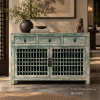
Chinese antique furniture is best cared for with a light touch. Cleaning antique furniture is rarely about making an old piece look new; it is about removing ordinary dust, protecting the existing surface and knowing when further intervention is unnecessary.
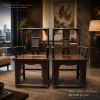
A beautiful Chinese antique table or chair can change the character of a room before anything else is added. The right piece does not simply occupy space; its proportions, surface, craftsmanship and presence establish a quiet point of focus.
Choosing one, however, requires more than finding a shape that looks attractive.
The most successful choices begin with a simple question: how should the furniture belong to the room? From function and scale to construction and visual character, each consideration helps determine whether a piece will feel naturally integrated into an interior.
For collectors, homeowners and designers considering Chinese Antique Tables & Chairs, the process is ultimately about finding the right relationship between furniture, architecture and everyday life.
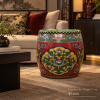
Antique furniture has a way of changing the atmosphere of a room without demanding attention. In a Bangkok home, however, beautiful Chinese antique furniture also lives within a demanding tropical environment. Caring for antique furniture in a tropical climate is therefore less about constant treatment and more about creating stable conditions in which the furniture can age gracefully.
Wood responds naturally to moisture in the air. When humidity rises, it absorbs moisture and expands; when the surrounding air becomes drier, it releases moisture and contracts. Repeated or rapid changes can contribute to splitting, cracking and finish damage.
For collectors, homeowners and interior designers, the principle is simple: protect the environment first, then handle the furniture gently.
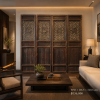
A Chinese antique screen can change the feeling of a room without changing its architecture. More than a decorative object, a well-chosen Chinese Antique Screen can define space, create visual depth and introduce a quiet sense of character into an interior. The key is knowing what to look for beyond the surface.
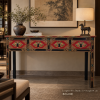
A Chinese Antique Console Table can change the character of a room with remarkable subtlety. Its proportions, surface and presence can give an entryway, living room or quiet corridor a sense of structure without making the furniture feel imposing. Choosing the right piece, however, is less about finding the most decorative table and more about understanding how its form will live within the architecture around it.
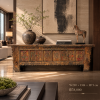
A Chinese antique sideboard can change the character of a room without demanding attention. Its proportions, surface, craftsmanship and quiet presence can bring depth to a contemporary interior while providing practical storage.
Choosing the right Chinese antique sideboard, however, is less about finding the most elaborate piece and more about understanding how furniture, architecture and daily life should relate to one another.
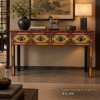
Antique vs Reproduction furniture is a distinction worth understanding before choosing a piece for a refined interior.
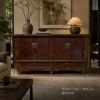
Before buying antique furniture, measure the space it will live in.
A beautiful Chinese antique cabinet can transform a room, but even an exceptional piece can feel out of place when its proportions are wrong. A console that is too long can interrupt circulation. A cabinet that is too tall can dominate a compact room. A partition that technically fits may still make an open space feel cramped.
With antique furniture, size is therefore part of the design.
The right piece should fit the room physically, but it should also fit the architecture visually. This becomes particularly important when choosing Chinese antique furniture for Bangkok condominiums, penthouses, villas, or professionally designed interiors.
The good news is that measuring does not have to be complicated.
A few measurements taken before choosing a piece can make the difference between furniture that simply fits and furniture that feels as though it was designed for the room.
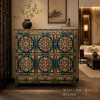
Chinese antique furniture can make a modern home feel personal.
A contemporary interior may have beautiful stone, carefully designed lighting, tailored upholstery, and clean architectural lines. Yet without something distinctive, it can sometimes feel as though it belongs to a showroom rather than to the people who live there.
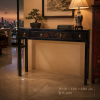
A luxury home does not need more furniture. It needs one piece that gives the room a sense of identity.
The most memorable interiors are rarely defined by how many beautiful objects they contain. Instead, they often have a clear visual centre: an exceptional cabinet, an elegant sideboard, a distinctive console table, a Chinese screen, or a beautifully proportioned table that quietly holds the room together.
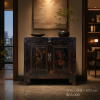
One exceptional piece of Chinese antique furniture can change the way an entire room feels.
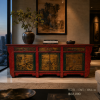
Choosing a Chinese Antique Cabinet begins with the room, not the cabinet itself. The right piece should fit the architecture, serve a clear purpose and sit naturally among the furniture already around it.
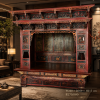
A hospitality interior is experienced through more than architecture alone. The reception desk, lighting, materials, artwork and furniture all contribute to how a space feels and functions. For designers working on hotels, restaurants, private clubs and boutique properties, furniture can provide character without requiring the entire interior to follow a particular historical style.
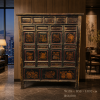
A Chinese antique furniture piece can feel remarkably at home in a tropical interior. The key is understanding how climate, light, proportion and architecture shape the way it should live.
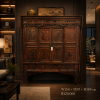
A Chinese Antique Cabinet does not need to look untouched to feel complete. Its character may live in the quiet variation of its surface, the evidence of handwork, the movement of its timber, and the small marks accumulated through use. Restoration, when approached with restraint, is less about making an antique cabinet appear new and more about helping its existing qualities remain visible, stable and useful.
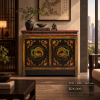
A Chinese antique sideboard can quietly change the character of a dining room. Rather than simply occupying a wall, it can give the room structure, provide useful storage and create a visual point around which entertaining naturally takes place.
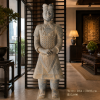
A Chinese antique furniture piece can change the atmosphere of a modern room without changing its identity. The key is not to make the room look traditionally Chinese, but to give one distinctive piece enough space to create contrast, depth and character.
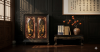
Minimalist interiors often leave the eye with nowhere to hide. A beautifully proportioned Chinese antique furniture piece can give that quiet space something more elusive: character.

A beautiful entryway does not need more decoration. It often needs one Chinese antique piece with enough character to make the space feel distinctly yours.
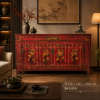
A well-designed home workspace does not have to look like an office. Chinese antique furniture can give a study a sense of character, proportion and quiet distinction, particularly when set against contemporary architecture and restrained materials.
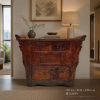
Stepping across the threshold of your home should feel like an immediate exhale—a warm, curated embrace anchored by the exquisite presence of Chinese Antique Furniture. Ask yourself: does your house truly welcome you, or does it merely open the door and let you in? The difference lies entirely in the energy and atmosphere you cultivate in those critical first few steps.
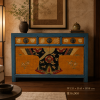
Have you ever walked into a stunningly modern room but felt it lacked a certain warmth or depth? The ultimate designer secret to transforming a sterile, contemporary room into a captivating sanctuary lies in the strategic integration of Chinese Antique Furniture.
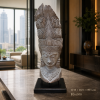
Chinese antique furniture does not require a historically styled room. A carved cabinet can sit comfortably against contemporary architecture; a console table can introduce warmth to a restrained interior; a screen can define an open-plan space without making it feel formal.
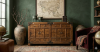
A well-chosen piece of Chinese antique furniture can change the atmosphere of a modern interior without changing its language. Rather than making a contemporary home feel traditionally decorated, it can introduce depth, texture and a sense of individuality.
