Chinese Furniture Selection and Styling: A Guide to Six Distinctive Furniture Types
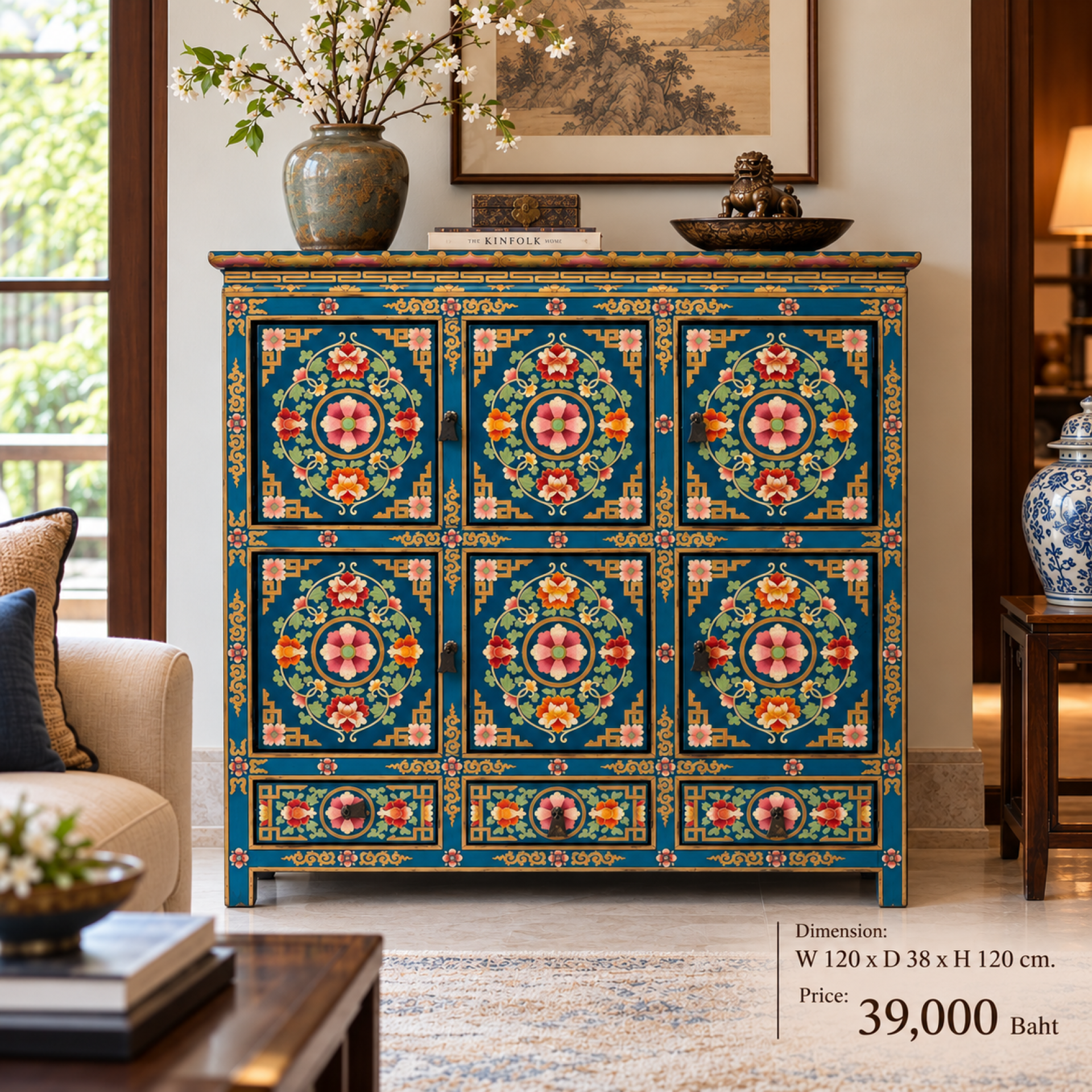
Each furniture type has its own character, proportions and purpose.
For a considered interior, the important question is not simply whether a piece is beautiful, but whether it belongs in the space. Its dimensions, visual weight, function and relationship with surrounding architecture all influence the final composition.
Chinese antique and reproduction furniture offer a range of possibilities for contemporary homes, from Bangkok penthouses and spacious pool villas to intimate reading corners and carefully designed bedrooms. Understanding how to select and position each type makes it easier to incorporate traditional Chinese furniture into modern living without making the interior feel overly themed.
This guide explores six furniture categories, with practical considerations for selecting, arranging and styling each one.
1. Chinese Antique & Reproduction Screens: Defining Space Without Closing It
Among the most versatile pieces of Chinese furniture, screens have a particular ability to change how a room is experienced. They introduce separation, create a sense of privacy and provide a decorative backdrop without requiring permanent architectural divisions.
Historically, Chinese screens served both practical and artistic purposes. Their development extended across different forms, from single standing panels to multi-panel folding screens. A notable example in the Kyoto National Museum's collection is a pair of eight-panel screens painted during the Kangxi period of the Qing Dynasty in 1720. This illustrates how screens could function as substantial painted artworks as well as interior furnishings.
Choosing a Screen for Different Spaces
In an open-plan residence, a screen can establish a subtle boundary between living and dining areas. Rather than dividing the room into two enclosed spaces, it creates a transition between different activities.
In a large living room, a screen can provide a backdrop behind a seating arrangement or introduce visual depth near an entrance. In a bedroom, it may help distinguish a dressing area or create a more private corner.
The appropriate size depends on the surrounding architecture. A screen that is too small may disappear within a large room, while an oversized piece can dominate the space and interrupt its visual flow.
Consider three elements before selecting one:
Height: Its relationship with ceiling height and nearby furniture.
Width: Whether it provides sufficient visual separation without obstructing circulation.
Visual weight: The density of its panels, decorative details and overall frame.
Managing Sightlines and Spatial Balance
The position of a screen is often more important than the amount of space it occupies.
In a Bangkok penthouse with an open living and dining layout, a screen might sit beside a seating area, creating a visual boundary while allowing the main room to remain connected. In a villa, it could introduce a transitional moment between an entrance and the principal living space.
Avoid positioning a screen where it blocks important windows, natural light or frequently used pathways. Allow enough surrounding space for its form and decorative details to be appreciated.
A well-positioned screen feels like part of the architecture rather than an object placed in front of it.
2. Chinese Antique & Reproduction Sideboards: Balancing Storage and Presentation
Buying Less, Choosing Better: The Collector’s Approach to Home Design
A sideboard occupies an interesting position between practical furniture and decorative statement. It offers concealed storage while providing a substantial horizontal surface for displaying selected objects.
Chinese Antique & Reproduction Sideboards can work particularly well in dining rooms and living rooms, where their presence helps establish a sense of visual structure.
Selecting a Sideboard for Dining Rooms and Living Rooms
In a dining room, a sideboard can support the practical rhythm of entertaining. It provides a place for tableware, serving accessories and other dining essentials, keeping the main dining table relatively uncluttered.
Its position should allow comfortable access without interfering with dining chairs or circulation around the table.
In a living room, the same furniture type can serve a different purpose. It may sit against a prominent wall, beneath artwork or alongside a seating arrangement. Its storage capacity remains useful, while its surface becomes an opportunity for thoughtful styling.
Understanding Scale, Height and Visual Weight
A substantial sideboard can anchor a large wall, but its dimensions should remain proportionate to the room.
Consider the following relationships:
The length of the sideboard compared with the available wall.
Its height relative to nearby seating and other furniture.
The depth required for comfortable circulation.
The visual relationship between its surface and artwork or lighting above it.
In a contemporary residence with restrained finishes, a Chinese sideboard can introduce warmth and a distinctive furniture silhouette. The contrast is often more effective when the surrounding furnishings remain relatively simple.
Styling the Sideboard Surface
A sideboard does not need to be covered with decorative objects to feel complete.
A considered arrangement might include a ceramic vessel, a table lamp and a smaller decorative piece. Alternatively, one larger object can provide a strong focal point.
Pay attention to height variation and negative space. A group of objects with similar heights may appear flat, while too many decorative elements can compete with the furniture itself.
The objective is to establish a relationship between the sideboard and its surroundings, allowing both the furniture and the objects displayed upon it to retain their individual character.
3. Chinese Antique & Reproduction Bedside Cabinets: Creating Bedroom Harmony
Bedrooms require a different approach to furniture selection. Unlike living and dining areas, where furniture often supports social interaction, the bedroom is a more personal environment. Its composition should feel balanced, comfortable and visually calm.
A bedside cabinet may be relatively small, but its relationship with the bed, lighting and surrounding furniture has a noticeable influence on the overall room.
Choosing the Right Bedside Cabinet for Bedroom Scale
Begin with the bed rather than the cabinet.
A wide bed generally requires bedside furniture with enough visual presence to balance its proportions. A small cabinet beside a substantial bed may look disconnected, while an oversized piece can make the sleeping area feel crowded.
Height is equally important. Ideally, the cabinet surface should sit at a comfortable level in relation to the mattress, making everyday objects accessible without requiring an awkward reach.
In compact condominium bedrooms, consider the cabinet's depth and the clearance available beside the bed. In larger bedrooms, a more substantial pair can establish a stronger sense of symmetry.
Single Cabinet or Balanced Pair?
A matching pair of bedside cabinets creates a familiar symmetrical arrangement. This works particularly well in larger master bedrooms, where the bed forms the central axis of the room.
However, symmetry is not essential.
A single Chinese bedside cabinet can introduce character beside a bed in a guest room or smaller bedroom. It can also work in an asymmetrical composition where the opposite side accommodates a different furniture or architectural feature.
The important consideration is whether the arrangement feels intentional.
Integrating Chinese Furniture into Contemporary Bedrooms
Traditional Chinese furniture can sit comfortably alongside contemporary bedding, modern lighting and understated architectural finishes.
A useful approach is to let the bedside cabinet provide the distinctive visual character while keeping larger surfaces relatively restrained.
Neutral bedding, natural textures and carefully selected lighting can create a comfortable relationship with the cabinet's form and finish.
Avoid introducing too many unrelated decorative styles into the same room. A bedroom benefits from visual continuity, and one or two distinctive furniture pieces can often provide sufficient character.
4. Chinese Antique Tables & Chairs: Creating Purposeful Living Spaces
Tables and chairs are among the most functional furniture forms, yet they also contribute significantly to the character of an interior.
The way they are selected depends on their intended use. A dining arrangement has different requirements from a reading corner or an occasional seating area.
Traditional Chinese furniture also offers a distinctive relationship between structure, proportion and craftsmanship. Mortise-and-tenon joinery, for example, is an established feature of traditional Chinese furniture construction, allowing wooden components to connect through carefully shaped joints rather than relying solely on exposed metal fasteners. Examples of this craftsmanship are presented in the Hong Kong Heritage Museum's exhibition on Ming furniture.
Selecting Tables and Chairs for Dining Settings
A dining table should be chosen according to the available floor area, the number of people who will regularly use it and the surrounding circulation space.
The relationship between the table and chairs is essential. Their proportions should allow comfortable seating, sufficient legroom and practical movement around the arrangement.
In a spacious dining room, an antique Chinese table can become the central feature, with chairs selected to complement its scale and visual character.
It is not always necessary for every piece to match. Combining traditional Chinese furniture with contemporary chairs can create an interesting contrast, provided the materials, proportions and overall composition remain harmonious.
Tables for Reading and Personal Spaces
Smaller tables offer opportunities to introduce Chinese furniture into spaces that might otherwise remain underused.
A reading corner may benefit from a compact table beside a comfortable chair, providing a surface for books, lighting or personal objects.
In a larger living room, an occasional table can complement a seating arrangement without requiring the presence of another substantial furniture piece.
These smaller settings are particularly useful in contemporary homes, where the intention is to introduce character without overcrowding the interior.
Mixing Chinese Antique Furniture with Contemporary Pieces
One of the most effective ways to incorporate Chinese antique furniture is through contrast.
A traditional wooden table can sit comfortably alongside contemporary upholstered seating. A Chinese chair can become a distinctive accent within an otherwise modern reading area.
The key is to establish visual connections through colour, material, silhouette or proportion.
Rather than attempting to recreate a completely traditional interior, allow individual furniture pieces to interact with the architecture and furnishings already present.
5. Chinese Antique Doors and Windows: Bringing Furniture Character into Architecture
Chinese Antique Doors and Windows occupy a different position from conventional furniture. They are architectural elements with the ability to influence how a room is framed, divided and experienced.
Their appeal often lies in the relationship between solid timber, open latticework, carved details and geometric composition.
Traditional Chinese architectural doors and windows developed distinctive decorative forms, particularly during the Ming and Qing periods. Timber latticework became an important part of architectural ornamentation, combining structural framing with patterned openings.
Understanding Doors and Windows as Architectural Elements
Unlike a cabinet or table, an antique door or window should be considered in relation to the building itself.
Its proportions, frame, depth and installation requirements influence whether it can be incorporated into an existing architectural opening or used as a decorative feature.
The pattern of the woodwork also deserves attention. Open lattice designs create a different visual effect from solid panels or heavily carved surfaces.
Before selecting a piece, consider its relationship with wall finishes, ceiling height, natural light and other architectural details.
Integrating Antique Doors into Contemporary Interiors
An antique Chinese door can introduce a distinctive architectural focal point within a contemporary residence.
Depending on its condition and suitability, it may be incorporated into an architectural opening or displayed as a decorative feature.
In a large entrance hall, an antique door can establish a sense of character from the moment someone enters the home. In a villa, it may complement natural stone, timber flooring and carefully selected traditional furnishings.
Installation should always account for the actual dimensions, structural requirements and condition of the piece. Not every antique architectural element is suitable for direct reuse as a functioning door.
Using Antique Windows as Decorative Architectural Features
Traditional Chinese windows offer another way to introduce pattern and visual depth.
Their latticework can create an interesting contrast against contemporary walls and simple architectural finishes. A decorative window panel may also become a focal point within a transitional area, hallway or private interior corner.
The most successful applications allow the original design to remain visible without surrounding it with too many competing details.
Consider the window as part of the architectural composition rather than simply another decorative object.
6. Chinese Antique & Reproduction Home Decor: The Art of Selecting with Restraint
Furniture establishes the structure of an interior, while decorative objects give it individuality.
Chinese Antique & Reproduction Home Decor can introduce colour, texture and visual interest through smaller elements. However, selecting decorative pieces requires the same attention to proportion and composition as choosing larger furniture.
A beautiful object does not necessarily belong in every room. Its success depends on the relationship it creates with its surroundings.
Selecting Decorative Objects with Purpose
Begin by understanding the character of the room.
A restrained living room may benefit from one distinctive decorative object, while a larger display surface may accommodate a small arrangement of complementary pieces.
Consider:
Scale in relation to the furniture displaying the object.
Colour in relation to surrounding materials and finishes.
Shape and silhouette in relation to nearby decorative elements.
Surface texture and visual contrast.
Whether the object has a meaningful relationship with the overall interior.
Selecting fewer objects with greater intention often produces a more sophisticated result than filling every available surface.
Creating Cohesion Between Furniture and Decorative Accents
Decorative objects should complement the furniture rather than compete with it.
A ceramic piece displayed on a wooden sideboard, for example, can create an interesting contrast between surface and material. A smaller decorative object placed on a console table may introduce a focal point without overwhelming the furniture.
Look for connections through colour, shape and texture.
These relationships do not need to be identical. In fact, a carefully chosen contrast can make an arrangement more interesting.
Understanding the Importance of Negative Space
One of the most overlooked aspects of interior styling is knowing when to leave a surface empty.
Negative space allows individual objects to be appreciated. It also gives the furniture beneath them a stronger visual presence.
In a luxury condominium or villa, avoid treating every shelf, tabletop and cabinet surface as an opportunity for display.
Instead, allow selected objects to occupy meaningful positions within the room. The result should feel collected and considered rather than crowded.
Conclusion: Choosing Chinese Furniture with a Clear Interior Vision
Chinese antique and reproduction furniture offer different ways to shape the character of a home. A screen can define space, a sideboard can anchor a dining room, a bedside cabinet can establish bedroom harmony, and a table or chair can give purpose to a personal corner.
Doors and windows extend this relationship into architecture, while decorative objects provide the finishing details that make an interior feel individual.
The most successful selections begin with understanding the space itself. Consider the room's proportions, practical requirements, architectural features and existing furnishings before deciding which piece belongs there.
For homeowners, architects and interior designers in Bangkok, this approach offers a way to incorporate Chinese furniture into contemporary residences without relying on a completely traditional setting.
At Chinese House, established in Bangkok in 1990, the collection brings together Chinese antique and reproduction furniture across a range of forms and interior applications. We invite you to explore the individual categories and consider how a carefully selected piece might contribute to your own living environment.
The aim is not to fill a room with beautiful furniture, but to create a space in which every piece has a reason to be there.
Frequently Asked Questions (FAQ)
1. How do I choose Chinese antique furniture for a contemporary home?
Start with the room's function, available space and existing interior style. Consider furniture proportions, materials, colour and visual weight. A distinctive Chinese antique piece can complement contemporary architecture without requiring the entire room to follow a traditional design.
2. Can Chinese screens be used as room dividers in open-plan interiors?
Yes. Chinese screens can create visual separation between living, dining and other areas while maintaining a sense of openness. Consider their height, width, positioning and relationship with natural light and circulation.
3. How can I style Chinese antique furniture without making a room look cluttered?
Choose a few distinctive furniture pieces and allow them to stand out. Use decorative objects selectively, create visual balance through contrasting materials and proportions, and leave sufficient negative space around important pieces.