How to Use One Chinese Antique Piece to Create a More Personal Entryway
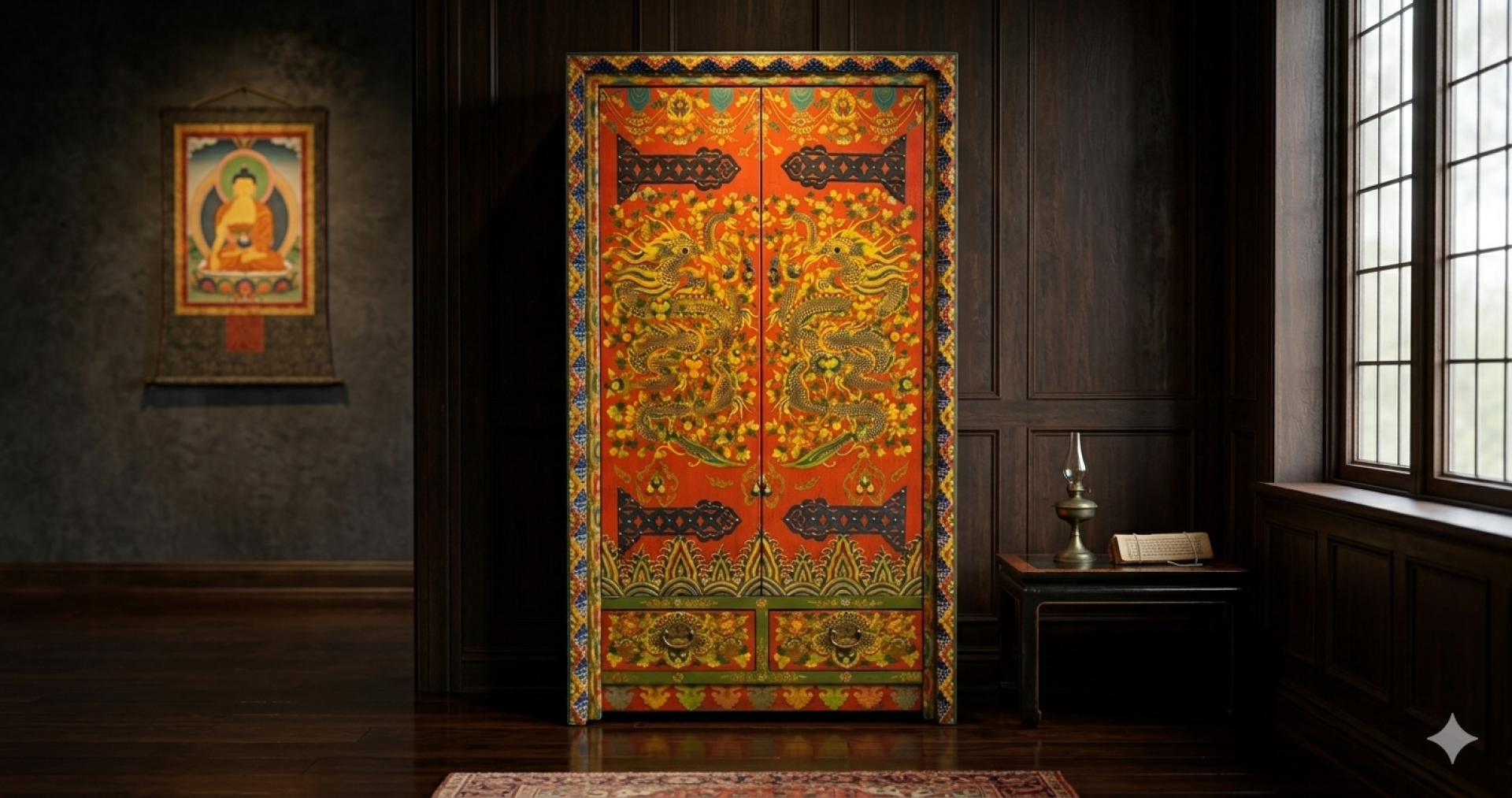
The entrance of a home is a transition between the outside world and the rooms beyond. Because it is usually the first interior space we encounter, even a relatively small area can influence how the entire home feels. A carefully chosen Chinese antique can give that space depth, warmth and individuality without making the entrance feel overly decorated.
The key is not to build a traditional Chinese interior around the furniture. It is to allow one exceptional piece to establish a point of character within the architecture already there.
Why the Entryway Matters More Than We Think
The entryway is sometimes treated as a practical passage: somewhere for a console, a lamp, a mirror or a few objects before moving into the main living spaces.
Yet its position gives it a particular importance.
It is the first moment in which the architecture of the home meets the personality of the person who lives there. In a luxury residence, that first impression does not necessarily need to be grand. It can be quiet, considered and highly personal.
This is where Chinese antique furniture can be especially effective.
A cabinet, console table or another carefully selected piece can introduce an element that feels collected rather than newly arranged. Its proportions, surface, construction and visual character become part of the architectural composition.
The result can be more expressive than an entryway filled with decorative objects.
The appeal of restraint
A sophisticated entrance often benefits from visual breathing room.
Rather than placing several small objects along a wall, consider allowing one substantial piece to hold the composition. The furniture becomes the anchor, while the surrounding architecture gives it space.
This approach works particularly well in contemporary Bangkok residences, where an entry may connect directly to an open-plan living area, a stone floor or a clean architectural wall.
The contrast between traditional furniture and contemporary surroundings can make both elements more noticeable.
Choose the Right Chinese Antique for the Space
The first decision is not about decoration. It is about proportion.
A Chinese antique that looks beautiful in a showroom may require a different approach once placed inside a home. The available wall length, depth of circulation, ceiling height, door openings and relationship to adjacent rooms all affect how the piece will feel.
For an entryway, furniture should support movement rather than obstruct it.
Console tables, cabinets and other possibilities
A Chinese antique console table can work naturally where a long, relatively shallow surface is needed. It can establish a horizontal line along a wall while leaving the floor relatively open.
A cabinet can create a stronger visual presence. Depending on its dimensions and form, it may become the principal architectural element of the entrance rather than simply a surface for accessories.
The important point is to choose according to the room rather than selecting furniture simply because it is traditionally associated with an entryway.
Chinese House's current furniture structure includes Chinese Antique & Reproduction Console Tables and Chinese Antique Cabinets among its relevant categories, allowing room application to remain a question of proportion and design rather than creating unnecessary furniture classifications.
Let proportion guide the choice
Before choosing a piece, look carefully at the space around it.
Measure the available width and depth. Consider how much room is required for comfortable circulation. Look at what can be seen from the front door and how the furniture relates to the first major room beyond it.
A piece that is too small may disappear against a large architectural wall. A piece that is too dominant may make a narrow entrance feel crowded.
The goal is not simply to fill an empty wall.
It is to create a relationship between furniture, architecture and movement.
Let One Piece Become the Visual Anchor
Once the furniture has been chosen, resist the temptation to compete with it.
A Chinese antique can contain enough visual information to carry an entryway on its own. The character may come from the geometry of the furniture, the variation of its surface, traditional construction, carving, hardware or the relationship between solid form and open space.
These qualities should remain visible.
Create a focal point without making the room feel staged
A focal point does not have to mean an elaborate display.
Sometimes the strongest composition is simply the furniture against a quiet wall, accompanied by carefully considered lighting and one or two objects.
This allows the eye to understand the piece before moving through the rest of the home.
For a contemporary interior, the contrast can be particularly compelling. Clean walls, natural stone, restrained architectural lighting and modern flooring can provide a calm background for furniture with a more traditional visual language.
The Chinese antique does not have to match everything around it.
It can belong precisely because it is different.
Work with what the furniture already offers
Look at the piece before deciding what to put on it.
If the furniture has a strong surface, intricate hardware or an expressive silhouette, adding numerous accessories may weaken its presence. If its form is quieter, a single artwork, vessel or lamp may help establish the intended visual balance.
The principle is simple: accessories should support the furniture rather than explain it.
Historical information should likewise remain accurate. The appearance of a piece alone should not be used to assign a dynasty, exact age, provenance or historical ownership. Where those details are not verified, the furniture can be appreciated through its form, craftsmanship, surface and architectural presence.
Make the Entryway Feel Personal, Not Themed
One of the most interesting qualities of Chinese antique furniture is its ability to sit naturally within interiors that are not traditionally Chinese.
A contemporary home does not need Chinese architectural details throughout the space for one Chinese antique to feel appropriate.
In fact, the absence of other traditional elements can make the furniture feel more personal.
Pair traditional furniture with contemporary architecture
Imagine a restrained entry in a Bangkok condominium: pale stone underfoot, a simple plaster wall, concealed lighting and a long sightline toward the living room.
Against this setting, a Chinese antique console or cabinet can introduce warmth and visual depth.
The furniture becomes a point of contrast without turning the room into a themed interior.
The same principle can work in a villa, a private residence or a boutique hospitality setting. Modern architecture provides clarity; the antique contributes character.
Neither has to dominate.
Use surrounding materials to reveal rather than compete
Materials are another way to create balance.
Stone can provide a cool architectural counterpoint to timber. Soft wall finishes can make a darker furniture surface appear more grounded. Glass and metal can reinforce a contemporary setting without competing with the traditional form.
The objective is not to recreate an historical room.
It is to create a conversation between different periods and materials.
This is one reason a single Chinese antique can feel so effective in a modern luxury interior. It introduces history and visual character without requiring the rest of the room to follow the same language.
The Details That Complete the Composition
Once the main furniture has been positioned, the final decisions are often about what not to add.
An entryway should remain comfortable to move through and visually connected to the rooms around it.
Lighting, artwork and negative space
Lighting can determine how strongly the furniture is perceived.
A carefully positioned wall light or architectural spotlight can bring attention to texture and form while maintaining the calm character of the space. In some interiors, ambient lighting may be enough to allow the furniture to remain part of the larger architectural composition.
Artwork can work particularly well when it relates to the scale of the furniture rather than simply occupying an empty wall.
A mirror can also be useful where the architecture and proportions support it, especially in a compact entrance.
But negative space matters just as much.
Leaving part of the wall quiet can give the furniture room to breathe.
What to place around the furniture—and what to leave out
Think in layers rather than quantities.
A single ceramic object, a small arrangement of branches or one piece of artwork may be enough. The choice should respond to the furniture's scale and character.
Avoid automatically filling every available surface.
The more distinctive the antique, the more useful restraint becomes.
This is especially relevant in contemporary luxury residences, where clean architectural lines and carefully controlled material palettes are often part of the overall design.
The entryway should feel intentional, not crowded.
One Piece Can Say More About a Home Than Many
There is a difference between decorating an entrance and giving it character.
Decoration can make a room look finished. A distinctive piece of furniture can make it feel inhabited.
A Chinese antique can become a small but meaningful expression of the person who chose it: an appreciation for craftsmanship, an interest in history, a preference for material character or simply a desire for something less predictable than conventional contemporary furniture.
That is where the idea of one piece becomes powerful.
The furniture does not need to dominate the home.
It only needs to belong to it.
From decoration to personal expression
The most successful interiors rarely feel as though every object was purchased at the same time for the same purpose.
They develop through choices.
One piece may provide warmth. Another may create contrast. Architecture establishes the framework, while furniture gives the rooms their individual voice.
A Chinese antique in the entryway can play precisely this role.
It can greet guests without announcing itself. It can connect the entrance with the living spaces beyond. It can create a visual pause within an otherwise contemporary interior.
Most importantly, it can make the home feel more personal.
Choosing furniture that becomes part of the home's identity
The right piece is ultimately the one that makes sense within the space and continues to feel relevant once the rest of the interior is complete.
Consider its proportion first. Then its form, surface, material character and relationship to the architecture.
Think about how it will look when you enter the home, but also how it will feel when you pass it every day.
That distinction matters.
A piece selected only because it fills an empty wall may solve a decorating problem. A piece selected because it genuinely belongs to the home can become part of its identity.
For homeowners, designers and architects looking to create interiors with greater individuality, Chinese antique furniture offers a way to introduce character without overwhelming the architecture.
Sometimes one carefully chosen piece is enough.
FAQ
What Chinese antique furniture works well in an entryway?
Chinese antique console tables and appropriately proportioned cabinets can work particularly well, depending on the available wall length, depth and circulation. The right choice should be based on the architecture and proportions of the individual space.
How do you style Chinese antique furniture in a modern entryway?
Keep the surrounding architecture relatively calm and allow the furniture to act as the visual anchor. Contemporary materials, restrained lighting and limited accessories can create a sophisticated contrast without making the interior feel themed.
How can one antique piece make an entryway feel more personal?
A distinctive piece introduces character, material presence and a sense of individual taste. Rather than filling the entrance with decoration, one carefully selected Chinese antique can create a focal point that connects the architecture with the personality of the home.
A More Personal Entrance Begins With One Thoughtful Choice
An entryway does not have to tell the entire story of a home.
It only needs to begin it.
A Chinese antique can provide that beginning through proportion, craftsmanship, surface and presence. Set against contemporary architecture, it can feel neither formal nor theatrical. It simply becomes part of the way the home is experienced.
For those considering Chinese antique furniture for a residence in Bangkok or elsewhere in Thailand, the most useful starting point is often the space itself: its dimensions, architecture, light and relationship to the rooms beyond.
From there, one exceptional piece may be enough to change the character of the entrance—and give the home a more personal point of view.
Chinese House invites homeowners, designers and collectors to explore its collection of Chinese antique furniture and consider how individual pieces can become part of a thoughtfully composed interior.
Related Contents