Caring for Antique Furniture in a Tropical Climate
0 Views

Why Tropical Climates Require a Different Approach to Antique Furniture
Thailand's warm, humid climate makes moisture management particularly important. Yet the goal is not to eliminate humidity completely. Wood is a natural material, and some movement is inherent to it.
The greater concern is instability.
A room that alternates sharply between humid outdoor conditions and heavily cooled indoor air can create changing conditions around a piece of furniture. The Canadian Conservation Institute notes that fluctuations in relative humidity can cause wood to expand and contract, potentially leading to cracks and other mechanical damage. High humidity can also encourage mould growth.
For an antique cabinet, screen, console table or bedside cabinet, a stable interior environment is therefore more valuable than aggressive attempts to keep the furniture artificially dry.
Managing Humidity, Air Conditioning and Airflow
A simple humidity gauge can be surprisingly useful. The US Environmental Protection Agency recommends keeping indoor relative humidity below 60%, with 30–50% generally recommended for homes as a way to reduce moisture and mould problems.
For antique furniture, the broader conservation principle is to avoid extremes and rapid fluctuations. The appropriate environment can vary according to the construction, materials and condition of an individual piece, so a single number should not be treated as a universal conservation prescription.
In a Bangkok residence, this means:
Use air conditioning or dehumidification to maintain a reasonably stable environment.
Avoid directing cold air continuously onto a furniture surface.
Avoid placing furniture immediately beside air-conditioning outlets.
Watch for condensation around windows, walls and other cool surfaces.
Keep furniture away from persistently damp areas.
Maintain reasonable airflow around the piece rather than trapping it against a humid wall.
The objective is quiet environmental consistency rather than constant intervention.
Protecting Wood, Lacquer and Decorative Surfaces
Light is another important consideration. According to the Canadian Conservation Institute, light damage to wood and finishes is cumulative and irreversible. Prolonged exposure can alter colour and affect finishes, stains or painted surfaces.
For this reason, an antique cabinet positioned beside a large unshaded window may require more protection than the same piece placed deeper within a room.
Curtains, blinds and thoughtful furniture placement can reduce direct sunlight while still allowing the room to remain naturally luminous.
Cleaning should be equally restrained.
Regular dusting with an appropriate soft cloth is generally preferable to repeated applications of commercial furniture products. Conservation guidance warns that some oils, waxes, polishes and silicone-based products can build up on surfaces, attract dust and create problems for future conservation.
Water should also be treated carefully. Some older finishes are particularly sensitive to moisture, and unfinished wood should not be wet-cleaned.
When a surface has accumulated significant dirt, a finish has begun to deteriorate, or repairs are required, specialist advice is preferable to experimentation at home.
Placement Matters More Than Most Owners Expect
Where antique furniture lives can be just as important as how it is cleaned.
Avoid positioning valuable wooden furniture directly against exterior walls where condensation or dampness may become an issue. Conservation guidance also recommends keeping furniture away from direct sunlight, heat sources and ventilation ducts.
This is especially relevant in contemporary Bangkok interiors, where large windows, concealed air-conditioning systems and highly controlled indoor environments are common.
A Chinese antique screen can create architectural separation between a living and dining area without being exposed directly to harsh sunlight. A console table may sit more comfortably along an interior wall than beside a window. A Chinese antique bedside cabinet benefits from sufficient clearance around it rather than being pressed tightly into a corner.
These decisions are part of interior design, but they are also part of furniture care.
The most successful luxury interiors often make preservation feel effortless because the furniture has been positioned correctly from the beginning.
A Simple Routine for Long-Term Care
Antique furniture does not need complicated daily rituals.
A practical routine can include:
Regularly
Dust gently with an appropriate soft cloth.
Check surfaces for moisture, spills or unusual changes.
Use coasters where drinks are placed.
Keep plants and wet objects away from wooden surfaces.
Periodically
Check the room's humidity with a reliable hygrometer.
Inspect areas close to windows, exterior walls and air-conditioning outlets.
Look for signs of mould, unusual cracking, lifting surfaces or loose hardware.
Check that drawers, doors and moving components continue to operate without excessive force.
During Thailand's wetter periods
Pay closer attention to indoor humidity and condensation.
Check less visible areas such as the back, underside and interior of cabinets.
Maintain airflow and address leaks or dampness promptly.
If insect infestation is suspected, the furniture should be isolated and professional advice sought rather than treated casually with household chemicals.
Extensive cleaning, structural repairs or restoration should likewise be handled by an experienced conservator or appropriately qualified specialist.
Living with Antique Furniture Over Time
Part of owning antique furniture is accepting that an older piece is not expected to look permanently untouched.
A surface may carry subtle changes accumulated over decades. Small variations in colour, texture and finish can be part of the visual character that makes an antique piece compelling.
Conservation is therefore not necessarily about making furniture look new. In many cases, the better approach is to preserve what remains while limiting further environmental damage. The Canadian Conservation Institute specifically cautions against stripping original finishes unnecessarily because original surfaces can form an important part of a piece's historical character.
This philosophy works particularly well in refined contemporary interiors.
A Chinese antique cabinet can sit comfortably against limestone, natural timber or contemporary architectural detailing. An antique screen can introduce rhythm and depth into an open-plan residence. A console table can provide a quiet point of contrast within an otherwise restrained room.
The furniture does not need to dominate the space.
It simply needs enough room to be appreciated.
For homeowners and designers in Thailand, thoughtful placement, stable environmental conditions and restrained maintenance provide a practical foundation for enjoying Chinese antique furniture for many years.
At Chinese House in Bangkok, antique furniture can be considered not simply as individual objects, but in relation to the architecture, proportions and atmosphere of the interior in which it will live. For a residence, penthouse, villa or hospitality project, that relationship is often where the furniture's character becomes most apparent.
FAQ
How should antique furniture be cared for in Thailand?
Focus on environmental stability. Monitor humidity, avoid direct sunlight and heat sources, protect surfaces from water and clean gently. Avoid unnecessary refinishing or aggressive furniture products.
Is high humidity harmful to antique wooden furniture?
High humidity can encourage mould and, together with fluctuations in humidity, can contribute to dimensional changes in wood. The appropriate conditions depend on the individual piece, but maintaining a stable indoor environment is an important principle of preventive care.
Should antique furniture be polished regularly?
Not necessarily. Conservation guidance cautions that some commercial polishes, oils and waxes can accumulate on surfaces or interact adversely with finishes. For valuable antique furniture, simple, appropriate dusting and specialist advice are generally safer than frequent product application.
Thailand's warm, humid climate makes moisture management particularly important. Yet the goal is not to eliminate humidity completely. Wood is a natural material, and some movement is inherent to it.
The greater concern is instability.
A room that alternates sharply between humid outdoor conditions and heavily cooled indoor air can create changing conditions around a piece of furniture. The Canadian Conservation Institute notes that fluctuations in relative humidity can cause wood to expand and contract, potentially leading to cracks and other mechanical damage. High humidity can also encourage mould growth.
For an antique cabinet, screen, console table or bedside cabinet, a stable interior environment is therefore more valuable than aggressive attempts to keep the furniture artificially dry.
Managing Humidity, Air Conditioning and Airflow
A simple humidity gauge can be surprisingly useful. The US Environmental Protection Agency recommends keeping indoor relative humidity below 60%, with 30–50% generally recommended for homes as a way to reduce moisture and mould problems.
For antique furniture, the broader conservation principle is to avoid extremes and rapid fluctuations. The appropriate environment can vary according to the construction, materials and condition of an individual piece, so a single number should not be treated as a universal conservation prescription.
In a Bangkok residence, this means:
Use air conditioning or dehumidification to maintain a reasonably stable environment.
Avoid directing cold air continuously onto a furniture surface.
Avoid placing furniture immediately beside air-conditioning outlets.
Watch for condensation around windows, walls and other cool surfaces.
Keep furniture away from persistently damp areas.
Maintain reasonable airflow around the piece rather than trapping it against a humid wall.
The objective is quiet environmental consistency rather than constant intervention.
Protecting Wood, Lacquer and Decorative Surfaces
Light is another important consideration. According to the Canadian Conservation Institute, light damage to wood and finishes is cumulative and irreversible. Prolonged exposure can alter colour and affect finishes, stains or painted surfaces.
For this reason, an antique cabinet positioned beside a large unshaded window may require more protection than the same piece placed deeper within a room.
Curtains, blinds and thoughtful furniture placement can reduce direct sunlight while still allowing the room to remain naturally luminous.
Cleaning should be equally restrained.
Regular dusting with an appropriate soft cloth is generally preferable to repeated applications of commercial furniture products. Conservation guidance warns that some oils, waxes, polishes and silicone-based products can build up on surfaces, attract dust and create problems for future conservation.
Water should also be treated carefully. Some older finishes are particularly sensitive to moisture, and unfinished wood should not be wet-cleaned.
When a surface has accumulated significant dirt, a finish has begun to deteriorate, or repairs are required, specialist advice is preferable to experimentation at home.
Placement Matters More Than Most Owners Expect
Where antique furniture lives can be just as important as how it is cleaned.
Avoid positioning valuable wooden furniture directly against exterior walls where condensation or dampness may become an issue. Conservation guidance also recommends keeping furniture away from direct sunlight, heat sources and ventilation ducts.
This is especially relevant in contemporary Bangkok interiors, where large windows, concealed air-conditioning systems and highly controlled indoor environments are common.
A Chinese antique screen can create architectural separation between a living and dining area without being exposed directly to harsh sunlight. A console table may sit more comfortably along an interior wall than beside a window. A Chinese antique bedside cabinet benefits from sufficient clearance around it rather than being pressed tightly into a corner.
These decisions are part of interior design, but they are also part of furniture care.
The most successful luxury interiors often make preservation feel effortless because the furniture has been positioned correctly from the beginning.
A Simple Routine for Long-Term Care
Antique furniture does not need complicated daily rituals.
A practical routine can include:
Regularly
Dust gently with an appropriate soft cloth.
Check surfaces for moisture, spills or unusual changes.
Use coasters where drinks are placed.
Keep plants and wet objects away from wooden surfaces.
Periodically
Check the room's humidity with a reliable hygrometer.
Inspect areas close to windows, exterior walls and air-conditioning outlets.
Look for signs of mould, unusual cracking, lifting surfaces or loose hardware.
Check that drawers, doors and moving components continue to operate without excessive force.
During Thailand's wetter periods
Pay closer attention to indoor humidity and condensation.
Check less visible areas such as the back, underside and interior of cabinets.
Maintain airflow and address leaks or dampness promptly.
If insect infestation is suspected, the furniture should be isolated and professional advice sought rather than treated casually with household chemicals.
Extensive cleaning, structural repairs or restoration should likewise be handled by an experienced conservator or appropriately qualified specialist.
Living with Antique Furniture Over Time
Part of owning antique furniture is accepting that an older piece is not expected to look permanently untouched.
A surface may carry subtle changes accumulated over decades. Small variations in colour, texture and finish can be part of the visual character that makes an antique piece compelling.
Conservation is therefore not necessarily about making furniture look new. In many cases, the better approach is to preserve what remains while limiting further environmental damage. The Canadian Conservation Institute specifically cautions against stripping original finishes unnecessarily because original surfaces can form an important part of a piece's historical character.
This philosophy works particularly well in refined contemporary interiors.
A Chinese antique cabinet can sit comfortably against limestone, natural timber or contemporary architectural detailing. An antique screen can introduce rhythm and depth into an open-plan residence. A console table can provide a quiet point of contrast within an otherwise restrained room.
The furniture does not need to dominate the space.
It simply needs enough room to be appreciated.
For homeowners and designers in Thailand, thoughtful placement, stable environmental conditions and restrained maintenance provide a practical foundation for enjoying Chinese antique furniture for many years.
At Chinese House in Bangkok, antique furniture can be considered not simply as individual objects, but in relation to the architecture, proportions and atmosphere of the interior in which it will live. For a residence, penthouse, villa or hospitality project, that relationship is often where the furniture's character becomes most apparent.
FAQ
How should antique furniture be cared for in Thailand?
Focus on environmental stability. Monitor humidity, avoid direct sunlight and heat sources, protect surfaces from water and clean gently. Avoid unnecessary refinishing or aggressive furniture products.
Is high humidity harmful to antique wooden furniture?
High humidity can encourage mould and, together with fluctuations in humidity, can contribute to dimensional changes in wood. The appropriate conditions depend on the individual piece, but maintaining a stable indoor environment is an important principle of preventive care.
Should antique furniture be polished regularly?
Not necessarily. Conservation guidance cautions that some commercial polishes, oils and waxes can accumulate on surfaces or interact adversely with finishes. For valuable antique furniture, simple, appropriate dusting and specialist advice are generally safer than frequent product application.
Related Content
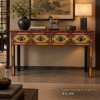
Antique vs Reproduction furniture is a distinction worth understanding before choosing a piece for a refined interior.
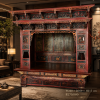
Chinese Antique Furniture has become one of the defining elements of Bangkok’s most memorable hospitality interiors. From boutique hotels hidden within historic neighborhoods to contemporary riverside lounges and refined private clubs, designers are increasingly turning to antique Chinese pieces to create spaces with depth, character, and a sense of permanence.
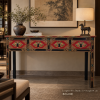
A Chinese Antique Console Table can change the character of a room with remarkable subtlety. Its proportions, surface and presence can give an entryway, living room or quiet corridor a sense of structure without making the furniture feel imposing. Choosing the right piece, however, is less about finding the most decorative table and more about understanding how its form will live within the architecture around it.
