How to Style Chinese Antique Furniture in a Modern Luxury Interior
1485 Views
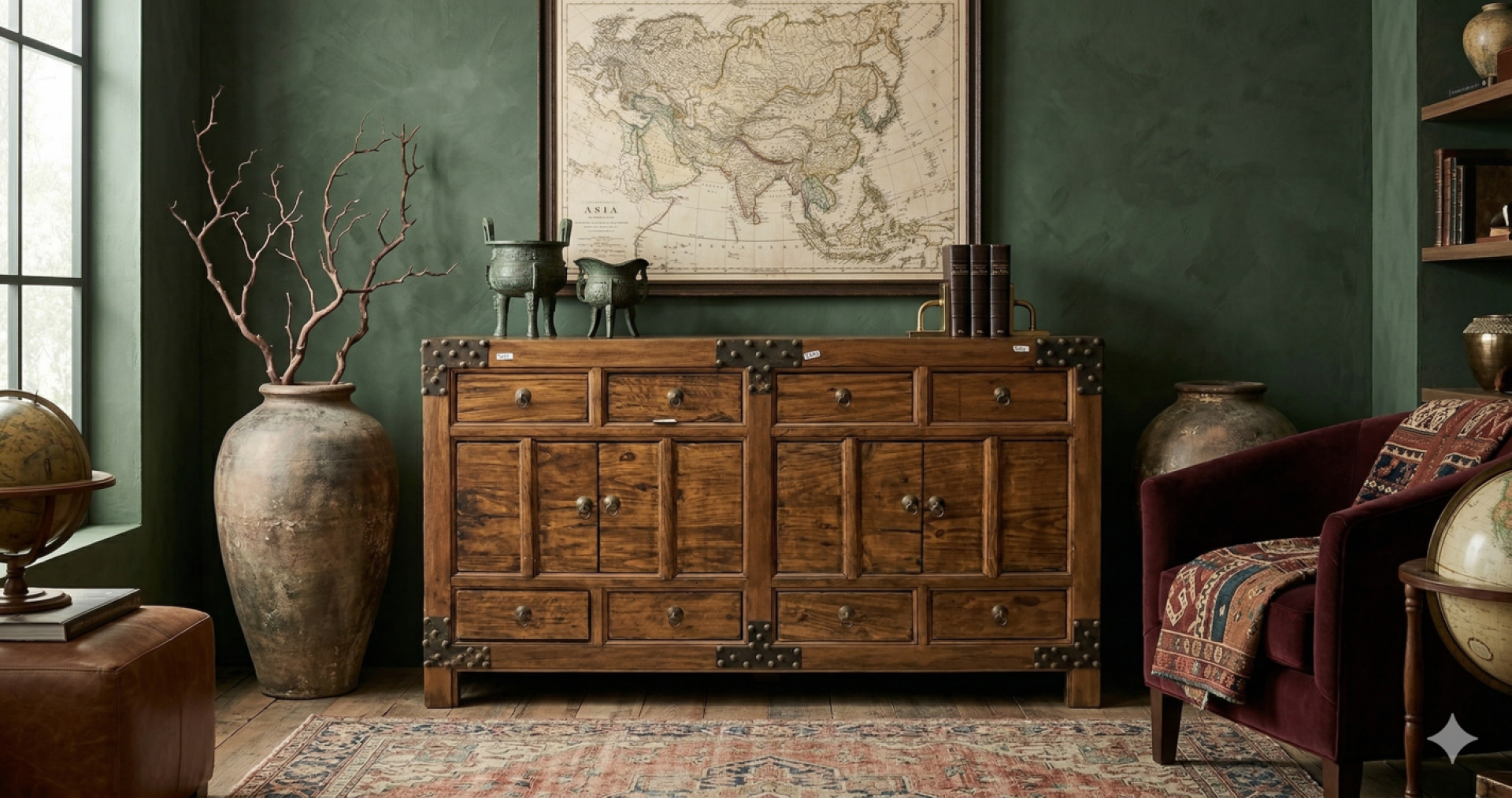
The most successful interiors rarely attempt to make every element belong to the same period or style. Instead, they create a conversation between old and new. A refined contemporary sofa may sit comfortably beside a Chinese antique cabinet. A restrained stone interior can provide the setting for a beautifully proportioned console table. A Chinese screen can introduce architectural rhythm without making the room feel traditionally themed.
The key is not to recreate a historical interior. It is to understand the furniture's proportions, material presence and visual character, then allow it to live naturally within the architecture of today.
For homeowners, designers and architects working with modern residences in Bangkok and beyond, this approach makes Chinese Antique Furniture particularly versatile.
1. Start With the Furniture, Not the Theme
A common mistake when introducing Chinese antique furniture is to begin by thinking about a "Chinese-style room."
A more sophisticated approach begins with the individual piece.
A Chinese Antique Cabinet, sideboard, console table or screen can be treated almost like an architectural object. Its proportions, surface, colour and construction already give the room a visual language. The surrounding furniture does not need to compete with it.
Let one important piece establish the character
In a contemporary living room, one well-chosen Chinese Antique Cabinet can be more effective than several decorative pieces scattered throughout the space.
Give it room to breathe.
Rather than filling every wall, consider placing the cabinet against a quiet architectural backdrop. Neutral plaster, natural stone, timber flooring or a restrained painted wall can allow the furniture to become the point of interest.
This is particularly effective in large Bangkok condominiums and villas, where generous proportions can make individual pieces feel intentional rather than crowded.
Think about proportion before decoration
Scale is often more important than colour.
A tall cabinet may create a strong vertical element beside low contemporary seating. A long sideboard can visually anchor a dining room. A console table can establish a transition between an entrance and a larger living space.
The furniture should feel as though it belongs to the architecture, even when its historical character is very different from the surrounding interior.
This principle has a strong precedent in Chinese furniture itself. Museum collections contain examples of furniture whose visual impact comes from carefully controlled proportions and structural clarity. The Metropolitan Museum of Art, for example, describes a Ming dynasty side table with a rectilinear design and distinctive structural details, demonstrating how simplicity and proportion can carry considerable visual presence.
2. Create Contrast Between Antique and Contemporary
Modern luxury interiors often become more interesting when materials and periods are allowed to contrast.
The purpose is not to make the antique piece look modern. Nor is it to make the contemporary furniture look traditionally Chinese.
The contrast is what creates the tension.
Pair traditional forms with clean-lined furniture
Consider a room with a contemporary sofa, sculptural lighting and a Chinese Antique Sideboard.
The sideboard does not need to match the sofa.
In fact, it may be more successful when it does not.
Clean-lined upholstery can make the detailing of the antique furniture more visible. In return, the antique piece prevents the contemporary room from feeling overly predictable.
The same principle can be applied to dining rooms. A modern dining table may sit comfortably near a Chinese antique cabinet, while contemporary chairs can provide a visual counterpoint to an older piece.
Use modern architecture as the backdrop
Walls, flooring, lighting and built-in architecture can remain quiet.
This creates space for the furniture to speak.
A restrained palette of stone, timber, warm white, taupe or muted earth tones can work particularly well with naturally aged wood surfaces. Darker furniture can create depth against pale walls, while lighter or warmer wood can soften an interior dominated by stone and glass.
The objective is balance rather than contrast for its own sake.
Allow different materials to meet naturally
Chinese antique furniture can work particularly well beside contemporary materials such as marble, travertine, glass, brushed metal and natural textiles.
The relationship is tactile.
The smoothness of stone can emphasise the warmth of timber. Soft upholstery can make a visually substantial cabinet feel more relaxed. Metal lighting can introduce a crisp contemporary note without overwhelming the furniture.
The result feels collected rather than coordinated.
3. Style Chinese Antique Furniture by Room
Different furniture categories create different opportunities within a modern home.
The best placement depends not only on appearance but also on how the room is used.
Living rooms: Cabinets, Sideboards and Console Tables
A Chinese Antique Cabinet can provide both visual weight and practical storage.
In a large living room, it can sit against a primary wall, functioning as an anchor rather than simply another storage unit. A sideboard can perform a similar role while remaining visually horizontal and lower to the ground.
Chinese Antique & Reproduction Console Tables can be particularly effective in entrance halls, behind sofas or along transitional walls.
Their narrow proportions make them useful where a full cabinet would feel too substantial.
Dining spaces: Furniture with presence
A dining room gives Chinese antique furniture an opportunity to become part of the room's daily rhythm.
A sideboard can provide storage while creating a strong horizontal line beneath artwork or lighting. A cabinet can add verticality to an otherwise low arrangement.
The surrounding furniture can remain contemporary.
There is also a historical reason to appreciate the functional clarity of Chinese furniture. The Metropolitan Museum records Ming-period furniture designed for specific practical uses, including tables intended for books, small objects and musical instruments.
This is useful to remember when styling antique furniture today: functionality and beauty do not have to be separated.
Bedrooms: Introduce character selectively
A bedroom benefits from restraint.
A pair of Chinese Antique & Reproduction Bedside Cabinets can establish symmetry, while a single antique cabinet can become a quieter focal point.
Avoid introducing too many competing decorative elements. Bedrooms generally benefit when the furniture contributes texture and character without turning the space into a display room.
Entryways and transitional spaces
An entrance is one of the strongest locations for a Chinese Antique Console Table.
It gives the furniture a clear architectural role.
A console can define the arrival experience without occupying excessive floor area. A Chinese Antique Screen can also help establish a visual transition between spaces, particularly within an open-plan residence.
The screen does not necessarily need to function as a complete physical divider. It can simply interrupt a sightline, create depth or give an otherwise open space a stronger sense of composition.
4. Work With Colour, Texture and Materials
The most elegant interiors often take their colour cues from the furniture rather than imposing a predetermined palette.
Look carefully at the surface.
Is the furniture warm brown, deep and dark, muted, painted, lacquered or visually weathered? These qualities can guide the surrounding materials.
Build the palette around the existing surface
If the antique furniture has a deep wood tone, consider surrounding it with softer neutral colours rather than introducing multiple competing dark finishes.
If the piece has a lighter or warmer surface, natural linen, cream upholstery and pale stone can create an understated environment around it.
The goal is not to match every colour exactly.
It is to create relationships.
Use textiles to soften stronger forms
Chinese antique furniture can have a strong architectural presence.
Textiles provide a useful counterpoint.
Linen curtains, wool rugs, textured upholstery and understated cushions can introduce softness without changing the character of the furniture.
This is especially useful in contemporary residences where hard architectural materials—stone floors, glass walls and built-in cabinetry—already dominate the room.
Introduce contemporary materials selectively
A marble floor beside an antique cabinet can feel sophisticated.
A marble floor, marble table, marble accessories, metallic sculpture and glossy cabinetry competing simultaneously may feel overly composed.
Luxury is often created through restraint.
Choose a few materials and allow their differences to become visible.
5. Use Cabinets and Screens as Architectural Elements
Chinese antique furniture becomes especially compelling when it is considered part of the architecture rather than simply placed inside it.
This is particularly true of cabinets and screens.
A Screen can define space without enclosing it
Open-plan interiors benefit from visual boundaries.
A Chinese Antique & Reproduction Screen can create one without constructing a permanent wall.
It might separate an entrance from a living area, establish a transition between dining and lounge spaces or create a more intimate corner within a larger room.
The effect is architectural but light.
Historically, screens were an important form in Chinese decorative arts. The Victoria and Albert Museum notes that folding screens were a significant Chinese export form during the 17th century, illustrating how screens could carry both decorative and spatial functions.
Cabinets create vertical rhythm
A tall cabinet can change the visual balance of a room.
In a space dominated by low sofas, tables and horizontal surfaces, a tall cabinet introduces height. This can be particularly useful in residences with high ceilings.
Chinese Antique Tall Cabinets can therefore be considered not simply as storage but as vertical architectural elements.
The Metropolitan Museum's collection includes Ming dynasty wardrobes of substantial scale, originally designed for storage, demonstrating that large Chinese storage furniture has long combined practical purpose with a strong architectural presence.
Consider the view from every angle
Furniture should work from more than one viewpoint.
Think about what is visible when entering the room, sitting on the sofa, walking toward the dining area or looking back from the opposite side.
This matters particularly in open-plan Bangkok residences, where one piece may be visible from several connected spaces.
A cabinet that looks beautiful from the front but blocks an important sightline may not be the right choice for that position.
6. Build a Curated Modern Chinese Interior
The final step is knowing when to stop.
A modern luxury interior with Chinese antique furniture should feel curated rather than themed.
Combine Antique and Reproduction thoughtfully
Antique and Reproduction furniture can coexist when their forms, proportions and visual qualities relate naturally.
Reproduction pieces can provide access to traditional Chinese design language while allowing the room to remain contemporary. Antique pieces, where appropriate, can contribute a different depth of surface and character.
The two classifications should remain clear, however. Reproduction should not be described as antique or vintage simply because it follows an older design tradition.
Leave space around important pieces
Negative space is part of the composition.
A beautiful cabinet pressed between several other objects may lose its presence. Give important furniture enough surrounding space for its proportions to be understood.
This is particularly important in luxury interiors, where spaciousness is itself part of the visual language.
Let the architecture and furniture speak to each other
The most convincing interiors do not feel as though furniture was added at the end.
Instead, the furniture appears to belong to the architectural composition.
A console responds to the length of a wall. A tall cabinet relates to ceiling height. A screen follows a sightline. A sideboard balances a dining arrangement.
The furniture becomes part of how the room is experienced.
Create a room that feels collected, not themed
Perhaps the most important principle is restraint.
A modern home does not need Chinese artwork on every wall, traditional accessories on every surface or multiple antique pieces in every room.
One cabinet can be enough.
One screen can be enough.
One beautifully positioned console can change the atmosphere of an entrance.
Chinese antique furniture is at its most compelling when it feels naturally chosen—when its age, craftsmanship, proportion and character are allowed to coexist with contemporary architecture without being forced into a historical recreation.
For homeowners, designers and architects in Bangkok looking to create an interior with greater individuality, the starting point is simple: choose the piece carefully, understand its presence, and give it enough space to belong.
Chinese House in Bangkok brings together Chinese antique and reproduction furniture for interiors where traditional craftsmanship can sit comfortably within contemporary living. Explore the collection with the architecture, proportions and atmosphere of your own space in mind.
FAQ
How can I use Chinese Antique Furniture in a modern interior?
Start with one or two significant pieces rather than furnishing an entire room in a traditional style. Use contemporary architecture, neutral colours and clean-lined furniture to create contrast, while allowing the antique piece to remain the visual focus.
What Chinese Antique Furniture works well in a luxury living room?
Chinese Antique Cabinets, Sideboards and Console Tables can all work effectively depending on the room's proportions. A tall cabinet can introduce vertical emphasis, while a sideboard or console creates a lower architectural line.
Can Chinese antique and Reproduction furniture be used together?
Yes. Antique and Reproduction furniture can work together when their proportions, forms and finishes relate naturally. They should remain clearly distinguished as different product classifications rather than being described interchangeably.
The key is not to recreate a historical interior. It is to understand the furniture's proportions, material presence and visual character, then allow it to live naturally within the architecture of today.
For homeowners, designers and architects working with modern residences in Bangkok and beyond, this approach makes Chinese Antique Furniture particularly versatile.
1. Start With the Furniture, Not the Theme
A common mistake when introducing Chinese antique furniture is to begin by thinking about a "Chinese-style room."
A more sophisticated approach begins with the individual piece.
A Chinese Antique Cabinet, sideboard, console table or screen can be treated almost like an architectural object. Its proportions, surface, colour and construction already give the room a visual language. The surrounding furniture does not need to compete with it.
Let one important piece establish the character
In a contemporary living room, one well-chosen Chinese Antique Cabinet can be more effective than several decorative pieces scattered throughout the space.
Give it room to breathe.
Rather than filling every wall, consider placing the cabinet against a quiet architectural backdrop. Neutral plaster, natural stone, timber flooring or a restrained painted wall can allow the furniture to become the point of interest.
This is particularly effective in large Bangkok condominiums and villas, where generous proportions can make individual pieces feel intentional rather than crowded.
Think about proportion before decoration
Scale is often more important than colour.
A tall cabinet may create a strong vertical element beside low contemporary seating. A long sideboard can visually anchor a dining room. A console table can establish a transition between an entrance and a larger living space.
The furniture should feel as though it belongs to the architecture, even when its historical character is very different from the surrounding interior.
This principle has a strong precedent in Chinese furniture itself. Museum collections contain examples of furniture whose visual impact comes from carefully controlled proportions and structural clarity. The Metropolitan Museum of Art, for example, describes a Ming dynasty side table with a rectilinear design and distinctive structural details, demonstrating how simplicity and proportion can carry considerable visual presence.
2. Create Contrast Between Antique and Contemporary
Modern luxury interiors often become more interesting when materials and periods are allowed to contrast.
The purpose is not to make the antique piece look modern. Nor is it to make the contemporary furniture look traditionally Chinese.
The contrast is what creates the tension.
Pair traditional forms with clean-lined furniture
Consider a room with a contemporary sofa, sculptural lighting and a Chinese Antique Sideboard.
The sideboard does not need to match the sofa.
In fact, it may be more successful when it does not.
Clean-lined upholstery can make the detailing of the antique furniture more visible. In return, the antique piece prevents the contemporary room from feeling overly predictable.
The same principle can be applied to dining rooms. A modern dining table may sit comfortably near a Chinese antique cabinet, while contemporary chairs can provide a visual counterpoint to an older piece.
Use modern architecture as the backdrop
Walls, flooring, lighting and built-in architecture can remain quiet.
This creates space for the furniture to speak.
A restrained palette of stone, timber, warm white, taupe or muted earth tones can work particularly well with naturally aged wood surfaces. Darker furniture can create depth against pale walls, while lighter or warmer wood can soften an interior dominated by stone and glass.
The objective is balance rather than contrast for its own sake.
Allow different materials to meet naturally
Chinese antique furniture can work particularly well beside contemporary materials such as marble, travertine, glass, brushed metal and natural textiles.
The relationship is tactile.
The smoothness of stone can emphasise the warmth of timber. Soft upholstery can make a visually substantial cabinet feel more relaxed. Metal lighting can introduce a crisp contemporary note without overwhelming the furniture.
The result feels collected rather than coordinated.
3. Style Chinese Antique Furniture by Room
Different furniture categories create different opportunities within a modern home.
The best placement depends not only on appearance but also on how the room is used.
Living rooms: Cabinets, Sideboards and Console Tables
A Chinese Antique Cabinet can provide both visual weight and practical storage.
In a large living room, it can sit against a primary wall, functioning as an anchor rather than simply another storage unit. A sideboard can perform a similar role while remaining visually horizontal and lower to the ground.
Chinese Antique & Reproduction Console Tables can be particularly effective in entrance halls, behind sofas or along transitional walls.
Their narrow proportions make them useful where a full cabinet would feel too substantial.
Dining spaces: Furniture with presence
A dining room gives Chinese antique furniture an opportunity to become part of the room's daily rhythm.
A sideboard can provide storage while creating a strong horizontal line beneath artwork or lighting. A cabinet can add verticality to an otherwise low arrangement.
The surrounding furniture can remain contemporary.
There is also a historical reason to appreciate the functional clarity of Chinese furniture. The Metropolitan Museum records Ming-period furniture designed for specific practical uses, including tables intended for books, small objects and musical instruments.
This is useful to remember when styling antique furniture today: functionality and beauty do not have to be separated.
Bedrooms: Introduce character selectively
A bedroom benefits from restraint.
A pair of Chinese Antique & Reproduction Bedside Cabinets can establish symmetry, while a single antique cabinet can become a quieter focal point.
Avoid introducing too many competing decorative elements. Bedrooms generally benefit when the furniture contributes texture and character without turning the space into a display room.
Entryways and transitional spaces
An entrance is one of the strongest locations for a Chinese Antique Console Table.
It gives the furniture a clear architectural role.
A console can define the arrival experience without occupying excessive floor area. A Chinese Antique Screen can also help establish a visual transition between spaces, particularly within an open-plan residence.
The screen does not necessarily need to function as a complete physical divider. It can simply interrupt a sightline, create depth or give an otherwise open space a stronger sense of composition.
4. Work With Colour, Texture and Materials
The most elegant interiors often take their colour cues from the furniture rather than imposing a predetermined palette.
Look carefully at the surface.
Is the furniture warm brown, deep and dark, muted, painted, lacquered or visually weathered? These qualities can guide the surrounding materials.
Build the palette around the existing surface
If the antique furniture has a deep wood tone, consider surrounding it with softer neutral colours rather than introducing multiple competing dark finishes.
If the piece has a lighter or warmer surface, natural linen, cream upholstery and pale stone can create an understated environment around it.
The goal is not to match every colour exactly.
It is to create relationships.
Use textiles to soften stronger forms
Chinese antique furniture can have a strong architectural presence.
Textiles provide a useful counterpoint.
Linen curtains, wool rugs, textured upholstery and understated cushions can introduce softness without changing the character of the furniture.
This is especially useful in contemporary residences where hard architectural materials—stone floors, glass walls and built-in cabinetry—already dominate the room.
Introduce contemporary materials selectively
A marble floor beside an antique cabinet can feel sophisticated.
A marble floor, marble table, marble accessories, metallic sculpture and glossy cabinetry competing simultaneously may feel overly composed.
Luxury is often created through restraint.
Choose a few materials and allow their differences to become visible.
5. Use Cabinets and Screens as Architectural Elements
Chinese antique furniture becomes especially compelling when it is considered part of the architecture rather than simply placed inside it.
This is particularly true of cabinets and screens.
A Screen can define space without enclosing it
Open-plan interiors benefit from visual boundaries.
A Chinese Antique & Reproduction Screen can create one without constructing a permanent wall.
It might separate an entrance from a living area, establish a transition between dining and lounge spaces or create a more intimate corner within a larger room.
The effect is architectural but light.
Historically, screens were an important form in Chinese decorative arts. The Victoria and Albert Museum notes that folding screens were a significant Chinese export form during the 17th century, illustrating how screens could carry both decorative and spatial functions.
Cabinets create vertical rhythm
A tall cabinet can change the visual balance of a room.
In a space dominated by low sofas, tables and horizontal surfaces, a tall cabinet introduces height. This can be particularly useful in residences with high ceilings.
Chinese Antique Tall Cabinets can therefore be considered not simply as storage but as vertical architectural elements.
The Metropolitan Museum's collection includes Ming dynasty wardrobes of substantial scale, originally designed for storage, demonstrating that large Chinese storage furniture has long combined practical purpose with a strong architectural presence.
Consider the view from every angle
Furniture should work from more than one viewpoint.
Think about what is visible when entering the room, sitting on the sofa, walking toward the dining area or looking back from the opposite side.
This matters particularly in open-plan Bangkok residences, where one piece may be visible from several connected spaces.
A cabinet that looks beautiful from the front but blocks an important sightline may not be the right choice for that position.
6. Build a Curated Modern Chinese Interior
The final step is knowing when to stop.
A modern luxury interior with Chinese antique furniture should feel curated rather than themed.
Combine Antique and Reproduction thoughtfully
Antique and Reproduction furniture can coexist when their forms, proportions and visual qualities relate naturally.
Reproduction pieces can provide access to traditional Chinese design language while allowing the room to remain contemporary. Antique pieces, where appropriate, can contribute a different depth of surface and character.
The two classifications should remain clear, however. Reproduction should not be described as antique or vintage simply because it follows an older design tradition.
Leave space around important pieces
Negative space is part of the composition.
A beautiful cabinet pressed between several other objects may lose its presence. Give important furniture enough surrounding space for its proportions to be understood.
This is particularly important in luxury interiors, where spaciousness is itself part of the visual language.
Let the architecture and furniture speak to each other
The most convincing interiors do not feel as though furniture was added at the end.
Instead, the furniture appears to belong to the architectural composition.
A console responds to the length of a wall. A tall cabinet relates to ceiling height. A screen follows a sightline. A sideboard balances a dining arrangement.
The furniture becomes part of how the room is experienced.
Create a room that feels collected, not themed
Perhaps the most important principle is restraint.
A modern home does not need Chinese artwork on every wall, traditional accessories on every surface or multiple antique pieces in every room.
One cabinet can be enough.
One screen can be enough.
One beautifully positioned console can change the atmosphere of an entrance.
Chinese antique furniture is at its most compelling when it feels naturally chosen—when its age, craftsmanship, proportion and character are allowed to coexist with contemporary architecture without being forced into a historical recreation.
For homeowners, designers and architects in Bangkok looking to create an interior with greater individuality, the starting point is simple: choose the piece carefully, understand its presence, and give it enough space to belong.
Chinese House in Bangkok brings together Chinese antique and reproduction furniture for interiors where traditional craftsmanship can sit comfortably within contemporary living. Explore the collection with the architecture, proportions and atmosphere of your own space in mind.
FAQ
How can I use Chinese Antique Furniture in a modern interior?
Start with one or two significant pieces rather than furnishing an entire room in a traditional style. Use contemporary architecture, neutral colours and clean-lined furniture to create contrast, while allowing the antique piece to remain the visual focus.
What Chinese Antique Furniture works well in a luxury living room?
Chinese Antique Cabinets, Sideboards and Console Tables can all work effectively depending on the room's proportions. A tall cabinet can introduce vertical emphasis, while a sideboard or console creates a lower architectural line.
Can Chinese antique and Reproduction furniture be used together?
Yes. Antique and Reproduction furniture can work together when their proportions, forms and finishes relate naturally. They should remain clearly distinguished as different product classifications rather than being described interchangeably.
Tags :
Related Content
Choosing Chinese furniture begins with understanding the difference between antique and reproduction furniture—two distinct classifications that can shape the character, atmosphere and expectations of an interior.
Antique vs Reproduction furniture is a distinction worth understanding before choosing a piece for a refined interior.

The curation of a truly sophisticated living space often hinges on a singular, captivating focal point, and integrating Chinese Antique Furniture into your interior provides exactly that. Among the most versatile and architecturally striking pieces you can acquire is the traditional display cabinet.
