Inspiring Workspaces: Styling Chinese Antique Furniture
1358 Views

The key is not to fill the room with traditional furniture. Often, one substantial desk, cabinet or screen is enough to establish the character of the space.
For a home office in a Bangkok condominium, a private study in a villa, or a generous library within a contemporary residence, Chinese antique furniture can work as part of the architecture rather than as decoration added afterwards.
The most successful spaces usually begin with the room itself: its proportions, natural light, circulation and existing materials. The furniture then has a clear role within that framework.
Building the Right Study Layout
A home workspace needs to function comfortably before it needs to look beautiful. The position of the desk, the space around the chair and the relationship between storage and working areas all influence how naturally the room comes together.
Desk and Chair: Getting the Proportion Right
The desk is usually the visual centre of a study, so its scale should relate to both the room and the chair placed with it.
A substantial Chinese antique table can have considerable visual presence. In a generous study, that presence may feel architectural. In a smaller room, however, the same piece can dominate the space if circulation around it is too restricted.
Leave enough room to move comfortably behind the chair and around the desk. Avoid positioning the furniture so that drawers, doors or cabinets compete with the main working area.
The chair should also feel proportionate to the desk. It does not necessarily need to be Chinese in style. A contemporary upholstered chair, for example, can create a quieter contrast against an antique timber table.
This is often more effective than attempting to make every piece in the room belong to the same period or visual language.
Positioning the Desk
There is no single correct position for a desk.
Placed against a wall, it can create a more compact and focused working area. Positioned further into the room, it can become a stronger architectural element, particularly in a large study or open-plan interior.
A desk facing into the room can also establish a visual relationship with the rest of the residence. In a study connected to a living or dining area, this can make the workspace feel like part of the home's overall composition rather than a separate office inserted into it.
Windows require particular attention. Natural light can be valuable, but the desk should be positioned with consideration for glare, reflections and direct sunlight on furniture surfaces.
The best arrangement is usually the one that balances light, movement and visual focus.
Storage with Presence: Cabinets in the Home Office
Storage does not have to disappear behind contemporary cabinetry.
A Chinese antique cabinet can provide practical storage while giving a home office a substantial vertical element. Its surface, proportions, hardware and construction can introduce visual interest without requiring additional decoration.
In a larger room, a tall cabinet can help establish a sense of height and provide a strong visual anchor. In a more compact study, a lower cabinet may be easier to integrate without making the room feel enclosed.
The important consideration is scale.
A large cabinet against a small wall may feel crowded, while a modest piece can become visually lost on a large uninterrupted surface. Consider the height of the ceiling, the width of the wall and the amount of surrounding space before deciding where the cabinet should sit.
Chinese antique furniture can also be combined with contemporary built-in storage. A restrained architectural backdrop allows the antique piece to remain distinctive without requiring the entire room to follow a traditional vocabulary.
This approach is particularly useful in contemporary homes, where timber furniture may sit alongside stone, glass, plaster or built-in joinery.
Using Screens to Define the Workspace
A Chinese antique screen can serve a different purpose from a cabinet or desk. Rather than simply storing something or providing a working surface, it can help define the boundaries of a room.
Creating Separation Without Closing the Room
Open-plan residences often require subtle divisions between functions.
A workspace positioned within a larger living area may benefit from a screen placed behind or beside the desk. It can create a visual distinction between working and living zones without introducing a permanent wall.
This is particularly useful where a separate study is not available.
The screen does not need to completely conceal the desk. Its role can be more architectural: establishing a backdrop, redirecting sightlines or creating a sense of separation within a larger composition.
Placement should always follow the room's circulation. A screen positioned where people naturally walk through the space can make the room feel restricted. Positioned thoughtfully, however, it can give the workspace a clearer identity.
Screens in Contemporary Interiors
A traditional Chinese screen can sit comfortably within a contemporary interior when the surrounding design is restrained.
Imagine a substantial screen against a clean architectural wall, beside a simple desk and contemporary chair. The contrast between traditional furniture and modern architecture becomes part of the design.
Stone flooring, timber, glass and neutral walls can provide a quiet setting in which the screen becomes the principal visual element.
There is no need to repeat its motifs throughout the room.
In fact, the absence of excessive coordination often makes the furniture feel more sophisticated. The screen can retain its own character while the architecture provides the contemporary context.
Light, Materials and Visual Calm
The atmosphere of a workspace is shaped as much by light and surrounding materials as by the furniture itself.
Working with Natural Light
Natural light can help define the character of a home study, particularly in Bangkok residences where large windows and open views are common.
A desk near a window can benefit from daylight, but direct sunlight should be considered carefully. Strong sunlight can create glare when working at a screen and may also affect furniture surfaces over time.
Window orientation, curtains, blinds and the position of the desk should therefore be considered together.
Artificial lighting should support the architecture rather than compete with it. A combination of practical task lighting and softer ambient illumination can allow the furniture to remain visually important after daylight fades.
Creating Calm Without Over-Decoration
A refined workspace does not need shelves filled with objects.
Chinese antique furniture already introduces texture, material and visual detail. Adding too many decorative pieces can make the room feel busy and reduce the impact of the furniture.
Instead, consider leaving space around the principal pieces.
A substantial desk might be accompanied by a restrained chair, a single cabinet and carefully selected lighting. A screen might become the main visual element while the rest of the room remains deliberately quiet.
This approach is particularly effective when antique furniture is placed within contemporary architecture. Clean walls, simple flooring and restrained lighting create enough visual space for the furniture to be appreciated.
The result is not a traditional room recreated in full. It is a contemporary workspace with selected elements of Chinese furniture giving the room its individual character.
One or Two Pieces Can Define the Room
One of the most useful principles when styling Chinese antique furniture in a home workspace is restraint.
A room does not need a complete collection of antique furniture to feel distinctive.
A substantial antique table may establish the centre of the room. A cabinet can provide the vertical counterpoint. A screen can define the workspace within an open-plan interior.
Together, even two carefully chosen pieces can establish a strong visual identity.
The rest of the room can remain contemporary.
A modern chair can sit comfortably beside an antique table. Contemporary flooring can provide contrast beneath traditional timber furniture. Architectural lighting can sit above furniture with a very different visual history. Built-in storage can frame an antique cabinet rather than compete with it.
The contrast is what makes the composition interesting.
A Workspace That Belongs to the Home
The strongest home offices rarely feel as though they have been designed independently from the rest of the residence.
The materials, proportions and visual language should connect naturally with the surrounding rooms.
In a Bangkok condominium, for example, an antique table can introduce warmth into a more minimal interior. In a villa, a substantial cabinet or screen may help give an expansive room greater definition. In a private study, a carefully positioned antique piece can provide a sense of permanence against contemporary architectural finishes.
The objective is not to make the workspace look historically themed.
It is to allow furniture with character to participate in the architecture of the home.
Bringing the Room Together
Styling Chinese antique furniture in a home workspace is ultimately a question of proportion, placement and restraint.
Start with the architecture. Consider how people move through the room, where natural light enters and which areas need storage or visual separation. Then decide which furniture should carry the greatest visual weight.
A desk may become the centre. A cabinet may provide structure. A screen may establish a boundary.
Once those roles are clear, the remaining elements can be kept deliberately simple.
This creates a workspace where antique furniture does not feel isolated or decorative. Instead, it becomes part of the room's architecture and contributes to the character of the home.
For those considering Chinese antique furniture for a study, library or home office, Chinese House offers a collection that can be explored according to the character and proportions of the space. The right piece does not need to dominate a room; sometimes its presence is strongest when everything around it has been allowed to remain quiet.
FAQ
Can Chinese antique furniture work in a modern home office?
Yes. Chinese antique furniture can work particularly well against contemporary architecture when the surrounding furniture and decoration are kept restrained. The contrast between traditional timber furniture and modern materials can give the workspace a distinctive visual identity.
How can I use a Chinese antique screen in a home office?
A screen can help visually separate a workspace from a living area without constructing a permanent wall. It can be positioned behind or beside the desk, depending on circulation, sightlines and the room's proportions.
How many Chinese antique pieces should I use in a workspace?
There is no fixed number. One substantial desk, cabinet or screen may be enough to define the room. In many contemporary interiors, limiting the number of substantial pieces allows each one to retain greater visual presence.
For a home office in a Bangkok condominium, a private study in a villa, or a generous library within a contemporary residence, Chinese antique furniture can work as part of the architecture rather than as decoration added afterwards.
The most successful spaces usually begin with the room itself: its proportions, natural light, circulation and existing materials. The furniture then has a clear role within that framework.
Building the Right Study Layout
A home workspace needs to function comfortably before it needs to look beautiful. The position of the desk, the space around the chair and the relationship between storage and working areas all influence how naturally the room comes together.
Desk and Chair: Getting the Proportion Right
The desk is usually the visual centre of a study, so its scale should relate to both the room and the chair placed with it.
A substantial Chinese antique table can have considerable visual presence. In a generous study, that presence may feel architectural. In a smaller room, however, the same piece can dominate the space if circulation around it is too restricted.
Leave enough room to move comfortably behind the chair and around the desk. Avoid positioning the furniture so that drawers, doors or cabinets compete with the main working area.
The chair should also feel proportionate to the desk. It does not necessarily need to be Chinese in style. A contemporary upholstered chair, for example, can create a quieter contrast against an antique timber table.
This is often more effective than attempting to make every piece in the room belong to the same period or visual language.
Positioning the Desk
There is no single correct position for a desk.
Placed against a wall, it can create a more compact and focused working area. Positioned further into the room, it can become a stronger architectural element, particularly in a large study or open-plan interior.
A desk facing into the room can also establish a visual relationship with the rest of the residence. In a study connected to a living or dining area, this can make the workspace feel like part of the home's overall composition rather than a separate office inserted into it.
Windows require particular attention. Natural light can be valuable, but the desk should be positioned with consideration for glare, reflections and direct sunlight on furniture surfaces.
The best arrangement is usually the one that balances light, movement and visual focus.
Storage with Presence: Cabinets in the Home Office
Storage does not have to disappear behind contemporary cabinetry.
A Chinese antique cabinet can provide practical storage while giving a home office a substantial vertical element. Its surface, proportions, hardware and construction can introduce visual interest without requiring additional decoration.
In a larger room, a tall cabinet can help establish a sense of height and provide a strong visual anchor. In a more compact study, a lower cabinet may be easier to integrate without making the room feel enclosed.
The important consideration is scale.
A large cabinet against a small wall may feel crowded, while a modest piece can become visually lost on a large uninterrupted surface. Consider the height of the ceiling, the width of the wall and the amount of surrounding space before deciding where the cabinet should sit.
Chinese antique furniture can also be combined with contemporary built-in storage. A restrained architectural backdrop allows the antique piece to remain distinctive without requiring the entire room to follow a traditional vocabulary.
This approach is particularly useful in contemporary homes, where timber furniture may sit alongside stone, glass, plaster or built-in joinery.
Using Screens to Define the Workspace
A Chinese antique screen can serve a different purpose from a cabinet or desk. Rather than simply storing something or providing a working surface, it can help define the boundaries of a room.
Creating Separation Without Closing the Room
Open-plan residences often require subtle divisions between functions.
A workspace positioned within a larger living area may benefit from a screen placed behind or beside the desk. It can create a visual distinction between working and living zones without introducing a permanent wall.
This is particularly useful where a separate study is not available.
The screen does not need to completely conceal the desk. Its role can be more architectural: establishing a backdrop, redirecting sightlines or creating a sense of separation within a larger composition.
Placement should always follow the room's circulation. A screen positioned where people naturally walk through the space can make the room feel restricted. Positioned thoughtfully, however, it can give the workspace a clearer identity.
Screens in Contemporary Interiors
A traditional Chinese screen can sit comfortably within a contemporary interior when the surrounding design is restrained.
Imagine a substantial screen against a clean architectural wall, beside a simple desk and contemporary chair. The contrast between traditional furniture and modern architecture becomes part of the design.
Stone flooring, timber, glass and neutral walls can provide a quiet setting in which the screen becomes the principal visual element.
There is no need to repeat its motifs throughout the room.
In fact, the absence of excessive coordination often makes the furniture feel more sophisticated. The screen can retain its own character while the architecture provides the contemporary context.
Light, Materials and Visual Calm
The atmosphere of a workspace is shaped as much by light and surrounding materials as by the furniture itself.
Working with Natural Light
Natural light can help define the character of a home study, particularly in Bangkok residences where large windows and open views are common.
A desk near a window can benefit from daylight, but direct sunlight should be considered carefully. Strong sunlight can create glare when working at a screen and may also affect furniture surfaces over time.
Window orientation, curtains, blinds and the position of the desk should therefore be considered together.
Artificial lighting should support the architecture rather than compete with it. A combination of practical task lighting and softer ambient illumination can allow the furniture to remain visually important after daylight fades.
Creating Calm Without Over-Decoration
A refined workspace does not need shelves filled with objects.
Chinese antique furniture already introduces texture, material and visual detail. Adding too many decorative pieces can make the room feel busy and reduce the impact of the furniture.
Instead, consider leaving space around the principal pieces.
A substantial desk might be accompanied by a restrained chair, a single cabinet and carefully selected lighting. A screen might become the main visual element while the rest of the room remains deliberately quiet.
This approach is particularly effective when antique furniture is placed within contemporary architecture. Clean walls, simple flooring and restrained lighting create enough visual space for the furniture to be appreciated.
The result is not a traditional room recreated in full. It is a contemporary workspace with selected elements of Chinese furniture giving the room its individual character.
One or Two Pieces Can Define the Room
One of the most useful principles when styling Chinese antique furniture in a home workspace is restraint.
A room does not need a complete collection of antique furniture to feel distinctive.
A substantial antique table may establish the centre of the room. A cabinet can provide the vertical counterpoint. A screen can define the workspace within an open-plan interior.
Together, even two carefully chosen pieces can establish a strong visual identity.
The rest of the room can remain contemporary.
A modern chair can sit comfortably beside an antique table. Contemporary flooring can provide contrast beneath traditional timber furniture. Architectural lighting can sit above furniture with a very different visual history. Built-in storage can frame an antique cabinet rather than compete with it.
The contrast is what makes the composition interesting.
A Workspace That Belongs to the Home
The strongest home offices rarely feel as though they have been designed independently from the rest of the residence.
The materials, proportions and visual language should connect naturally with the surrounding rooms.
In a Bangkok condominium, for example, an antique table can introduce warmth into a more minimal interior. In a villa, a substantial cabinet or screen may help give an expansive room greater definition. In a private study, a carefully positioned antique piece can provide a sense of permanence against contemporary architectural finishes.
The objective is not to make the workspace look historically themed.
It is to allow furniture with character to participate in the architecture of the home.
Bringing the Room Together
Styling Chinese antique furniture in a home workspace is ultimately a question of proportion, placement and restraint.
Start with the architecture. Consider how people move through the room, where natural light enters and which areas need storage or visual separation. Then decide which furniture should carry the greatest visual weight.
A desk may become the centre. A cabinet may provide structure. A screen may establish a boundary.
Once those roles are clear, the remaining elements can be kept deliberately simple.
This creates a workspace where antique furniture does not feel isolated or decorative. Instead, it becomes part of the room's architecture and contributes to the character of the home.
For those considering Chinese antique furniture for a study, library or home office, Chinese House offers a collection that can be explored according to the character and proportions of the space. The right piece does not need to dominate a room; sometimes its presence is strongest when everything around it has been allowed to remain quiet.
FAQ
Can Chinese antique furniture work in a modern home office?
Yes. Chinese antique furniture can work particularly well against contemporary architecture when the surrounding furniture and decoration are kept restrained. The contrast between traditional timber furniture and modern materials can give the workspace a distinctive visual identity.
How can I use a Chinese antique screen in a home office?
A screen can help visually separate a workspace from a living area without constructing a permanent wall. It can be positioned behind or beside the desk, depending on circulation, sightlines and the room's proportions.
How many Chinese antique pieces should I use in a workspace?
There is no fixed number. One substantial desk, cabinet or screen may be enough to define the room. In many contemporary interiors, limiting the number of substantial pieces allows each one to retain greater visual presence.
Related Content
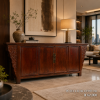
Bangkok has rapidly evolved into a premier global hub for luxury interior design, making the quest to discover authentic Chinese Antique Furniture an exhilarating journey for expatriates and affluent homeowners.
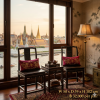
Embarking on a journey to find the perfect Antique Furniture Bangkok has to offer is an experience that transcends mere shopping; it is a profound immersion into centuries of imperial history. For affluent homeowners, interior designers, and expatriates styling their dream residences, sourcing the right historical focal point requires an environment that reflects the inherent prestige of the artifacts themselves.
Welcome to Chinese House, where we have transformed the quest for dynastic masterpieces into an exclusive, high-end gallery experience. We invite you to step out of the bustling city and into a serene sanctuary where the legacy of Chinese Antique Furniture truly comes to life, allowing you to curate your luxury residence with absolute confidence and unparalleled inspiration.
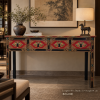
A Chinese Antique Console Table can change the character of a room with remarkable subtlety. Its proportions, surface and presence can give an entryway, living room or quiet corridor a sense of structure without making the furniture feel imposing. Choosing the right piece, however, is less about finding the most decorative table and more about understanding how its form will live within the architecture around it.
