Share

How to Integrate Chinese Antique Furniture into Your Home

884 Views

Knowing exactly how to integrate Chinese antique furniture into your home is the defining line between a space that feels like a stiff museum and a residence that exudes curated, lived-in luxury. For expatriates and design aficionados styling expansive pool villas or sleek Bangkok penthouses, oriental antiques offer an unparalleled opportunity to introduce architectural weight and historical soul into contemporary environments.

However, blending centuries-old craftsmanship with 21st-century interior design requires a strategic eye. The goal is not to overwhelm your modern aesthetic, but rather to disrupt it beautifully. Today, we share expert styling secrets on spatial dynamics, scaling, and purposeful placement, ensuring your heritage masterpieces become natural, breathtaking extensions of your luxury lifestyle.

The Art of Architectural Layering
Modern luxury homes often feature expansive white walls, floor-to-ceiling glass, and sharp, clean lines. While stunning, these elements can sometimes feel cold. Chinese antique furniture introduces "architectural layering"—adding organic warmth, intricate textures, and historical depth to a sterile room.

Redefining the Foyer
The entryway sets the energetic and aesthetic tone for your entire home.

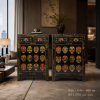
The Anchor Piece: Instead of a floating modern shelf, ground your foyer with a robust, heavily lacquered Qing-era altar table or a tall apothecary cabinet.
The Integration: Pair this historical anchor with highly contemporary elements. Hang a piece of oversized, abstract modern art directly above the antique, and flank it with sleek, brushed-brass wall sconces. The tension between the ancient wood and modern art creates an immediate, sophisticated visual impact.
Softening the Living Space
In an open-concept living area, antiques should be used to break up the monotony of low-profile modern furniture.

The Centerpiece: A raw, unpainted Elmwood trunk serves as a spectacular, conversation-starting coffee table. Its tactile, wavy grain softens the harsh lines of a modern leather sectional sofa.
The Corner Accent: Use a beautifully carved, high-waisted Ming-style plant stand to elevate a lush indoor palm, bringing a touch of organic, vertical elegance to an empty corner.
Scale and Proportion: The Golden Rules
The most common mistake when integrating antiques is ignoring scale. Chinese heritage furniture was often built for grand dynastic halls, meaning these pieces command significant visual space.

Give the Furniture Room to Breathe: Never wedge a magnificent wedding cabinet tightly between two modern bookcases. These pieces require "negative space" around them to truly shine. Allow at least a few inches of empty wall space on either side of a large antique so its silhouette can be fully appreciated.
The 80/20 Balance: To maintain a contemporary feel, follow the 80/20 rule. Keep 80% of your room’s foundation modern, neutral, and streamlined. Dedicate the remaining 20% to your high-impact Chinese antiques. This ratio ensures your home feels deeply curated rather than dated.
Purposeful Placement: Beyond Aesthetics
The true genius of oriental antique furniture lies in its inherent utility. These pieces were designed to be used daily, and integrating them means adapting them to modern lifestyle needs.

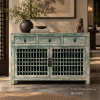
The Hidden Bar: A traditional slatted-door food cupboard provides excellent ventilation and stunning aesthetics, making it the perfect hidden minibar for your premium spirits and glassware in the dining room.
Luxurious Linen Storage: A deeply carved, camphor-lined antique trunk placed at the foot of your modern platform bed not only grounds the room’s energy but serves as elegant storage for luxury bedding and seasonal throws.
By approaching your Chinese antique furniture as dynamic, functional art rather than delicate relics, you seamlessly weave history into the very fabric of your modern home.


Related Content
Discover Authentic Antique Furniture in Bangkok: The Experience
Bangkok is a city of magnificent contrasts, where ultra-modern skyscrapers stand shoulder-to-shoulder with centuries-old temples. For expatriates and discerning homeowners looking to capture this dynamic elegance within their own luxury residences, sourcing the perfect heritage piece is a deeply personal journey. Discovering authentic antique furniture in Bangkok should not feel like navigating a crowded warehouse; it should be a masterclass in history, architecture, and refined living.
Your Search for Chinese Antique Furniture in Bangkok Ends Here
For discerning homeowners and expatriates, trying to source authentic Chinese antique furniture in Bangkok can sometimes feel like an exhausting treasure hunt. Navigating endless sprawling markets, questionable replicas, and heavily modernized showrooms often leaves design aficionados feeling uninspired. But outfitting your luxury penthouse or pool villa with a breathtaking piece of dynastic history should not be a chore—it should be a premier, curated experience.
Timeless Appeal: Investing in Chinese Antique Furniture
In an era of fast-moving design trends and mass-produced interiors, true luxury is defined by permanence. For discerning homeowners and expatriates outfitting prestigious properties in Thailand, the timeless appeal of Chinese antique furniture offers an exquisite escape from the ordinary. Purchasing a centuries-old cabinet or an intricately carved console is no longer just a decorative choice; it is a strategic acquisition.
This website uses cookies for best user experience, to find out more you can go to our Privacy Policy and Cookies Policy
Powered By MakeWebEasy Logo MakeWebEasy