How to Style Chinese Antique Furniture in Tropical Homes
6 Views
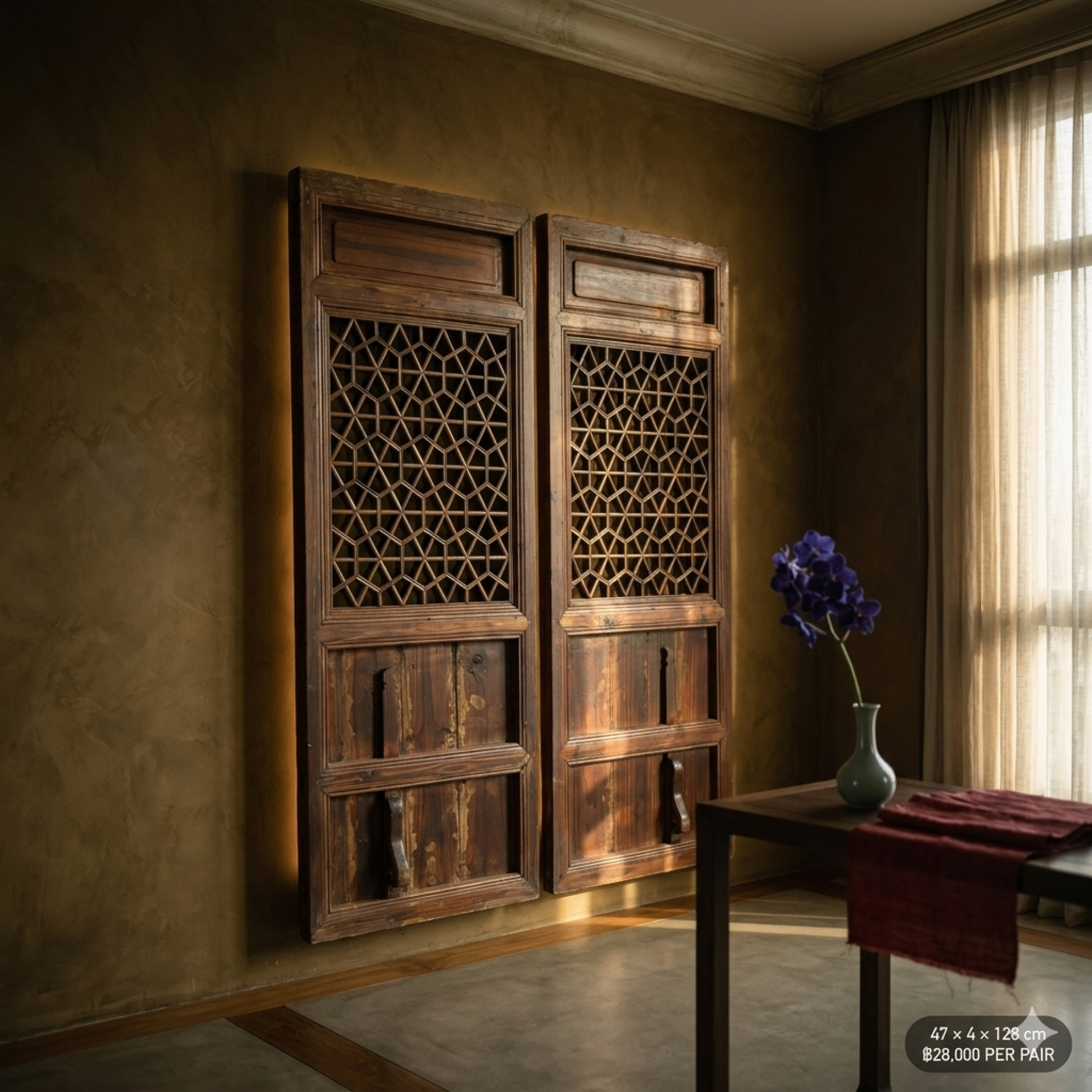
The Elegance of Contrast: Why Chinese Antique Furniture Works So Beautifully in Tropical Homes
Tropical homes thrive on openness. High ceilings, natural airflow, textured stone, and soft neutral palettes define many luxury residences across Thailand today. Chinese antique furniture introduces balance to these spaces through structure, proportion, and visual grounding.
Historically, furniture from the Ming Dynasty became admired for its refined proportions and understated silhouettes. Unlike heavily ornamental European antiques, classical Ming furniture emphasized restraint, symmetry, and fluid spatial movement.
These qualities translate naturally into tropical interiors.
A single antique cabinet placed against limewashed walls can anchor an entire living room. A pair of antique horseshoe-back chairs beside floor-to-ceiling windows creates atmosphere without overwhelming the architecture.
The result feels serene rather than formal.
In many Bangkok penthouses and tropical villas, designers now use Chinese vintage furniture as sculptural focal points precisely because the pieces coexist so elegantly with natural materials like travertine, teak, linen, and woven textures.
Choosing Woods and Finishes for Tropical Living
The Enduring Beauty of Elm Wood and Traditional Hardwoods
Many historical Chinese furnishings were crafted from dense hardwoods chosen for longevity and stability. Elm wood became especially common during the Qing period due to its durability and expressive grain patterns.
Today, antique elm cabinets and sideboards remain highly desirable for tropical interiors because they age gracefully within warm climates.
Other historically significant materials include Huanghuali wood and Zitan wood, both prized in elite Chinese furniture-making traditions for their density, fine grain, and luxurious surface character.
Rather than appearing polished or artificial, these woods develop subtle texture over time. In tropical homes filled with natural light, that aged surface creates depth impossible to replicate with mass-produced furniture.
Traditional Lacquer Craftsmanship and Tropical Texture
Traditional Chinese lacquer craftsmanship dates back thousands of years and was refined extensively through successive imperial dynasties. Deep black lacquer cabinets and richly layered finishes bring visual richness into modern interiors while maintaining elegance.
In tropical homes, lacquered antique furniture pairs beautifully with:
Natural linen upholstery
Textured plaster walls
Palm and bamboo greenery
Stone flooring
Bronze and ceramic accents
The key is contrast.
A dark antique sideboard against soft neutral surroundings creates dramatic calm rather than heaviness. This layered balance is particularly effective in modern tropical condos where clean architectural lines benefit from warmth and historical character.
Why Ancient Joinery Still Matters Today
One of the most remarkable achievements of traditional Chinese furniture-making is mortise-and-tenon joinery.
Long before industrial screws or nails became common, master craftsmen developed sophisticated interlocking wood joints that allowed furniture to flex subtly with environmental changes.
This craftsmanship remains highly respected today because tropical climates naturally introduce fluctuations in humidity and temperature. Properly constructed antique furniture responds far better to these conditions than many modern factory-made pieces.
Beyond functionality, the joinery itself reflects a philosophy of precision, balance, and longevity — qualities increasingly valued in contemporary luxury interiors.
Styling Chinese Antique Furniture Room by Room
Creating Calm Entrances with Antique Consoles and Partitions
The entrance sets the emotional tone of a home.
An antique console table beneath soft lighting immediately creates quiet drama. Paired with a traditional Chinese partition or antique doors mounted decoratively against textured walls, the space feels layered and intentional.
In tropical homes, filtered daylight enhances the natural patina of antique wood throughout the day. Stone flooring, oversized ceramic vessels, and restrained greenery complete the atmosphere beautifully.
Sophisticated Living Rooms with Statement Cabinets
One carefully selected antique cabinet often has greater visual impact than an entire collection of contemporary furniture.
Large scholar cabinets or Qing-style sideboards work exceptionally well in open-plan tropical living rooms because they provide architectural presence without visual clutter.
The most successful interiors avoid excessive decoration.
Instead, designers often allow a single vintage cabinet, pair of antique chairs, or hand-carved console to become the room’s focal point. Around these pieces, softer contemporary seating and neutral fabrics maintain comfort and openness.
This balance feels especially refined in luxury Bangkok residences where modern architecture benefits from historical contrast.
Bedrooms with Quiet Heritage Character
Chinese antique furniture can bring remarkable intimacy into bedrooms.
Low antique cabinets, lacquered bedside tables, and traditional canopy-inspired beds create spaces that feel deeply personal rather than staged.
Soft linen bedding, warm indirect lighting, and natural airflow complement the aged wood beautifully. The atmosphere becomes reminiscent of boutique hospitality interiors — calm, tactile, and restorative.
Rather than creating overtly “Asian-themed” spaces, the goal is subtle emotional texture.
Balancing Heritage with Contemporary Tropical Design
Modern tropical architecture often embraces minimalism. Yet without warmth, minimalist spaces can feel impersonal.
Chinese antique furniture introduces history into these environments without compromising simplicity.
A single antique partition beside contemporary art can soften sharp architectural lines. A weathered elm console beneath sculptural lighting creates quiet tension between old and new.
The most sophisticated interiors rely on restraint.
Classical Chinese furniture proportions were historically designed to preserve visual harmony within a room. This philosophy remains surprisingly relevant today. Leaving generous negative space around antique furniture allows each piece to breathe architecturally.
In luxury tropical homes, fewer exceptional pieces almost always create greater elegance than excessive decoration.
Preserving Chinese Antique Furniture in Tropical Homes
Tropical environments require thoughtful placement rather than excessive maintenance.
Direct afternoon sunlight should be minimized to preserve wood surfaces and lacquer finishes over time. Proper airflow throughout the home also helps maintain stability naturally.
Professional restoration remains equally important.
Established in 1990, Chinese House specializes in authentic Chinese antique furniture, masterfully crafted reproductions, and restoration expertise in Bangkok.
Careful restoration protects historical craftsmanship while allowing these pieces to continue functioning beautifully within modern homes.
The finest antique furniture is never simply decorative. It becomes part of daily living — quietly evolving with the home itself.
Bringing Timeless Character Into Tropical Living
Mass-produced interiors often feel visually complete yet emotionally empty.
Chinese antique furniture introduces something rarer: atmosphere shaped by time, craftsmanship, and material integrity.
Every softened edge, aged lacquer surface, and hand-finished joint carries traces of human craftsmanship developed across generations. In tropical homes filled with natural light and organic texture, these details become even more expressive.
For homeowners seeking interiors with depth rather than trend-driven styling, antique Chinese furniture offers enduring beauty that grows more compelling over time.
Whether placed inside a contemporary Bangkok penthouse, a tropical pool villa, or an intimate boutique retreat, these historic pieces bring calm permanence into modern living.
FAQ
Is Chinese antique furniture suitable for tropical climates?
Yes. Many traditional Chinese hardwood pieces were designed with sophisticated joinery techniques that adapt naturally to environmental changes. Proper placement and airflow help preserve them beautifully in tropical homes.
How do you style Chinese antique furniture in modern interiors?
The most elegant approach is restraint. Use one or two statement pieces — such as an antique cabinet, partition, or console — and balance them with contemporary materials like linen, stone, and natural wood textures.
What woods are commonly used in Chinese antique furniture?
Historically significant materials include elm wood, Huanghuali wood, and Zitan wood. These woods were valued for durability, grain beauty, and long-term aging characteristics.
Tropical homes thrive on openness. High ceilings, natural airflow, textured stone, and soft neutral palettes define many luxury residences across Thailand today. Chinese antique furniture introduces balance to these spaces through structure, proportion, and visual grounding.
Historically, furniture from the Ming Dynasty became admired for its refined proportions and understated silhouettes. Unlike heavily ornamental European antiques, classical Ming furniture emphasized restraint, symmetry, and fluid spatial movement.
These qualities translate naturally into tropical interiors.
A single antique cabinet placed against limewashed walls can anchor an entire living room. A pair of antique horseshoe-back chairs beside floor-to-ceiling windows creates atmosphere without overwhelming the architecture.
The result feels serene rather than formal.
In many Bangkok penthouses and tropical villas, designers now use Chinese vintage furniture as sculptural focal points precisely because the pieces coexist so elegantly with natural materials like travertine, teak, linen, and woven textures.
Choosing Woods and Finishes for Tropical Living
The Enduring Beauty of Elm Wood and Traditional Hardwoods
Many historical Chinese furnishings were crafted from dense hardwoods chosen for longevity and stability. Elm wood became especially common during the Qing period due to its durability and expressive grain patterns.
Today, antique elm cabinets and sideboards remain highly desirable for tropical interiors because they age gracefully within warm climates.
Other historically significant materials include Huanghuali wood and Zitan wood, both prized in elite Chinese furniture-making traditions for their density, fine grain, and luxurious surface character.
Rather than appearing polished or artificial, these woods develop subtle texture over time. In tropical homes filled with natural light, that aged surface creates depth impossible to replicate with mass-produced furniture.
Traditional Lacquer Craftsmanship and Tropical Texture
Traditional Chinese lacquer craftsmanship dates back thousands of years and was refined extensively through successive imperial dynasties. Deep black lacquer cabinets and richly layered finishes bring visual richness into modern interiors while maintaining elegance.
In tropical homes, lacquered antique furniture pairs beautifully with:
Natural linen upholstery
Textured plaster walls
Palm and bamboo greenery
Stone flooring
Bronze and ceramic accents
The key is contrast.
A dark antique sideboard against soft neutral surroundings creates dramatic calm rather than heaviness. This layered balance is particularly effective in modern tropical condos where clean architectural lines benefit from warmth and historical character.
Why Ancient Joinery Still Matters Today
One of the most remarkable achievements of traditional Chinese furniture-making is mortise-and-tenon joinery.
Long before industrial screws or nails became common, master craftsmen developed sophisticated interlocking wood joints that allowed furniture to flex subtly with environmental changes.
This craftsmanship remains highly respected today because tropical climates naturally introduce fluctuations in humidity and temperature. Properly constructed antique furniture responds far better to these conditions than many modern factory-made pieces.
Beyond functionality, the joinery itself reflects a philosophy of precision, balance, and longevity — qualities increasingly valued in contemporary luxury interiors.
Styling Chinese Antique Furniture Room by Room
Creating Calm Entrances with Antique Consoles and Partitions
The entrance sets the emotional tone of a home.
An antique console table beneath soft lighting immediately creates quiet drama. Paired with a traditional Chinese partition or antique doors mounted decoratively against textured walls, the space feels layered and intentional.
In tropical homes, filtered daylight enhances the natural patina of antique wood throughout the day. Stone flooring, oversized ceramic vessels, and restrained greenery complete the atmosphere beautifully.
Sophisticated Living Rooms with Statement Cabinets
One carefully selected antique cabinet often has greater visual impact than an entire collection of contemporary furniture.
Large scholar cabinets or Qing-style sideboards work exceptionally well in open-plan tropical living rooms because they provide architectural presence without visual clutter.
The most successful interiors avoid excessive decoration.
Instead, designers often allow a single vintage cabinet, pair of antique chairs, or hand-carved console to become the room’s focal point. Around these pieces, softer contemporary seating and neutral fabrics maintain comfort and openness.
This balance feels especially refined in luxury Bangkok residences where modern architecture benefits from historical contrast.
Bedrooms with Quiet Heritage Character
Chinese antique furniture can bring remarkable intimacy into bedrooms.
Low antique cabinets, lacquered bedside tables, and traditional canopy-inspired beds create spaces that feel deeply personal rather than staged.
Soft linen bedding, warm indirect lighting, and natural airflow complement the aged wood beautifully. The atmosphere becomes reminiscent of boutique hospitality interiors — calm, tactile, and restorative.
Rather than creating overtly “Asian-themed” spaces, the goal is subtle emotional texture.
Balancing Heritage with Contemporary Tropical Design
Modern tropical architecture often embraces minimalism. Yet without warmth, minimalist spaces can feel impersonal.
Chinese antique furniture introduces history into these environments without compromising simplicity.
A single antique partition beside contemporary art can soften sharp architectural lines. A weathered elm console beneath sculptural lighting creates quiet tension between old and new.
The most sophisticated interiors rely on restraint.
Classical Chinese furniture proportions were historically designed to preserve visual harmony within a room. This philosophy remains surprisingly relevant today. Leaving generous negative space around antique furniture allows each piece to breathe architecturally.
In luxury tropical homes, fewer exceptional pieces almost always create greater elegance than excessive decoration.
Preserving Chinese Antique Furniture in Tropical Homes
Tropical environments require thoughtful placement rather than excessive maintenance.
Direct afternoon sunlight should be minimized to preserve wood surfaces and lacquer finishes over time. Proper airflow throughout the home also helps maintain stability naturally.
Professional restoration remains equally important.
Established in 1990, Chinese House specializes in authentic Chinese antique furniture, masterfully crafted reproductions, and restoration expertise in Bangkok.
Careful restoration protects historical craftsmanship while allowing these pieces to continue functioning beautifully within modern homes.
The finest antique furniture is never simply decorative. It becomes part of daily living — quietly evolving with the home itself.
Bringing Timeless Character Into Tropical Living
Mass-produced interiors often feel visually complete yet emotionally empty.
Chinese antique furniture introduces something rarer: atmosphere shaped by time, craftsmanship, and material integrity.
Every softened edge, aged lacquer surface, and hand-finished joint carries traces of human craftsmanship developed across generations. In tropical homes filled with natural light and organic texture, these details become even more expressive.
For homeowners seeking interiors with depth rather than trend-driven styling, antique Chinese furniture offers enduring beauty that grows more compelling over time.
Whether placed inside a contemporary Bangkok penthouse, a tropical pool villa, or an intimate boutique retreat, these historic pieces bring calm permanence into modern living.
FAQ
Is Chinese antique furniture suitable for tropical climates?
Yes. Many traditional Chinese hardwood pieces were designed with sophisticated joinery techniques that adapt naturally to environmental changes. Proper placement and airflow help preserve them beautifully in tropical homes.
How do you style Chinese antique furniture in modern interiors?
The most elegant approach is restraint. Use one or two statement pieces — such as an antique cabinet, partition, or console — and balance them with contemporary materials like linen, stone, and natural wood textures.
What woods are commonly used in Chinese antique furniture?
Historically significant materials include elm wood, Huanghuali wood, and Zitan wood. These woods were valued for durability, grain beauty, and long-term aging characteristics.
Related Content
Embarking on a journey to find the perfect Antique Furniture Bangkok has to offer is an experience that transcends mere shopping; it is a profound immersion into centuries of imperial history. For affluent homeowners, interior designers, and expatriates styling their dream residences, sourcing the right historical focal point requires an environment that reflects the inherent prestige of the artifacts themselves.
Welcome to Chinese House, where we have transformed the quest for dynastic masterpieces into an exclusive, high-end gallery experience. We invite you to step out of the bustling city and into a serene sanctuary where the legacy of Chinese Antique Furniture truly comes to life, allowing you to curate your luxury residence with absolute confidence and unparalleled inspiration.
Imagine crafting a masterpiece of engineering and art without a single drop of glue or an iron nail. The soul of Chinese Antique Furniture lies entirely in this astonishing feat of traditional woodworking. For centuries, master artisans of the Ming and Qing dynasties relied on precision, deep botanical knowledge, and architectural principles to create heirloom pieces that have gracefully defied the test of time.
Today, integrating these historical marvels into your living space is a celebration of human ingenuity. Understanding the meticulous craftsmanship behind premium Vintage Furniture not only deepens your appreciation for its aesthetic beauty but also highlights why these wooden assets remain incredibly sought-after in the world of high-end interior design.
Transforming your living space into a tranquil sanctuary is effortless when you integrate the timeless elegance of Chinese Antique Furniture into a modern, minimalist setting. The "Modern Zen" aesthetic is all about perfect balance—blending the sleek, clean lines of contemporary interior design with the deep, grounding history found in luxury Vintage Furniture.
