How to Choose the Right Chinese Antique Cabinet for Your Home
228 Views

Understand the Purpose Before Choosing a Cabinet
Before considering colours, wood species, or decorative details, think about how the cabinet will be used.
A cabinet intended for everyday storage requires different proportions from one chosen as a statement piece. Some homeowners need concealed storage for dining essentials, while others want an elegant display cabinet for ceramics, books, or treasured collectibles.
In contemporary Bangkok interiors, antique cabinets often become visual anchors within otherwise minimalist spaces. Their presence introduces warmth and texture without overwhelming clean architectural lines.
Popular locations include:
Entrance foyers
Living rooms
Dining rooms
Bedrooms
Home offices
Boutique hotels and luxury residences
Choosing the cabinet's primary function first makes every later decision considerably easier.
Discover the Historical Styles That Define Exceptional Cabinets
Understanding classical Chinese furniture styles allows buyers to appreciate why certain cabinets remain highly desirable centuries after they were first created.
The Elegant Simplicity of Ming Dynasty Furniture
Furniture from the Ming Dynasty (1368–1644) is celebrated for its restrained beauty. Cabinet designs emphasised graceful proportions, balanced geometry, and exceptional craftsmanship rather than elaborate decoration.
One defining feature is the use of mortise-and-tenon joinery, a sophisticated woodworking technique that connects components without nails or screws. This method creates remarkable structural strength while allowing natural movement of solid wood over time.
These clean-lined cabinets blend effortlessly into modern luxury interiors because their simplicity feels surprisingly contemporary.
The Rich Ornamentation of Qing Dynasty Cabinets
During the Qing Dynasty (1644–1912), furniture became increasingly decorative.
Cabinets from this period frequently feature:
Intricate carved panels
Brass hardware
Symbolic motifs
Layered lacquer finishes
Bold visual presence
These pieces suit homeowners seeking dramatic focal points, particularly within larger living spaces or grand entrance halls.
Traditional Materials That Stand the Test of Time
The finest Chinese furniture has long relied on carefully selected hardwoods.
Huanghuali is admired for its warm golden colour, flowing grain, and natural elegance.
Zitan has historically been regarded as one of China's most prestigious hardwoods due to its dense structure and rich purple-brown appearance.
Elm wood, meanwhile, became widely appreciated for its durability and beautiful grain, making it an enduring favourite for practical furniture.
Traditional lacquer craftsmanship further protected wood surfaces while enhancing depth and richness, allowing many antique pieces to retain remarkable beauty after generations of use.
Choose the Right Size and Proportion
An exceptional cabinet should complement its surroundings rather than dominate them.
For Luxury Condominiums
Modern condominiums benefit from cabinets with slimmer proportions and vertical designs that maximise storage without overwhelming limited floor space.
A tall cabinet placed against a neutral wall often creates a striking architectural feature while maintaining openness.
For Spacious Villas
Larger homes offer greater flexibility.
Grand scholar cabinets or traditional wedding cabinets create dramatic focal points in expansive living rooms or formal dining areas. Pairing matching cabinets on either side of artwork or architectural features creates visual balance and symmetry.
Measure Beyond Width and Height
Many buyers focus only on dimensions.
Equally important considerations include:
Ceiling height
Door swing clearance
Walking space
Existing furniture scale
Natural lighting
Allowing generous breathing room around an antique cabinet enables its craftsmanship to be fully appreciated.
Match Your Cabinet with Your Interior Style
One of the greatest strengths of Chinese antique furniture is its versatility.
Rather than requiring a traditionally Chinese interior, these pieces often enhance contemporary homes through contrast.
Contemporary Bangkok Interiors
Many interior designers combine antique cabinets with:
Light oak flooring
Limestone surfaces
Soft linen upholstery
Neutral colour palettes
Minimalist architecture
The result feels layered, sophisticated, and collected rather than themed.
Traditional and Transitional Homes
Homes featuring natural stone, timber flooring, handcrafted textiles, and brass accents provide an equally harmonious setting.
The cabinet introduces historical depth while blending naturally with other timeless materials.
Styling Ideas
A single cabinet can become the centrepiece of an entire room.
Popular styling approaches include:
Entrance Hall
Display ceramics, sculptures, or fresh floral arrangements to create a welcoming first impression.
Dining Room
Store serving pieces while displaying porcelain and decorative objects above.
Living Room
Use the cabinet as a backdrop for artwork, books, and carefully selected accessories.
Home Office
Scholar-style cabinets provide elegant storage while reinforcing a calm, refined workspace.
What to Look for Before Buying
Beauty alone should never determine your decision.
Careful evaluation ensures your investment continues to perform for many years.
Examine the Construction
Look closely at:
Stable joinery
Well-aligned doors
Smooth drawer movement
Solid structural integrity
Traditional mortise-and-tenon construction remains one of the strongest indicators of quality craftsmanship.
Appreciate Surface Character
Unlike new furniture, antique cabinets develop a natural patina through decades of careful use.
Small variations in colour, subtle wear, and gentle texture often enhance rather than diminish their appeal.
Original brass hardware and beautifully preserved lacquer finishes contribute significantly to a cabinet's visual character.
Buy from an Experienced Specialist
Selecting an antique cabinet is easier when guided by specialists who understand both historical craftsmanship and modern interiors.
Established in 1990, Chinese House specialises in authentic Chinese antique furniture, carefully crafted reproductions, and professional restoration expertise. With decades of experience, the team helps homeowners, interior designers, and architects choose pieces that suit both their interiors and practical requirements.
Professional guidance ensures each cabinet is appreciated not simply as furniture, but as an enduring design investment.
Bringing Timeless Character into Modern Living
Interior trends continue to evolve, yet truly exceptional craftsmanship remains relevant across generations.
A thoughtfully chosen Chinese antique cabinet introduces warmth, history, and individuality that mass-produced furniture rarely achieves. Whether placed inside a refined Bangkok penthouse, an elegant family villa, or a boutique hospitality project, it becomes a conversation piece that grows more meaningful over time.
If you're considering adding Chinese antique furniture to your home, visiting a specialist showroom allows you to experience the craftsmanship, proportions, and natural beauty of each piece firsthand. Expert guidance can help you find a cabinet that perfectly complements your lifestyle and interior vision.
Frequently Asked Questions
How do I choose the right size Chinese antique cabinet?
Measure your available wall space, ceiling height, and walking clearance. The cabinet should feel balanced within the room while leaving sufficient space around it to showcase its proportions.
Which wood is best for a Chinese antique cabinet?
Historically, Huanghuali, Zitan, and Elm wood have all been highly regarded. Each offers distinct grain patterns, colours, and characteristics suited to different interior styles.
Can Chinese antique cabinets work in modern homes?
Absolutely. Their clean lines, natural materials, and handcrafted quality make them excellent focal points in contemporary luxury interiors, particularly when paired with minimalist architecture and neutral colour palettes.
Before considering colours, wood species, or decorative details, think about how the cabinet will be used.
A cabinet intended for everyday storage requires different proportions from one chosen as a statement piece. Some homeowners need concealed storage for dining essentials, while others want an elegant display cabinet for ceramics, books, or treasured collectibles.
In contemporary Bangkok interiors, antique cabinets often become visual anchors within otherwise minimalist spaces. Their presence introduces warmth and texture without overwhelming clean architectural lines.
Popular locations include:
Entrance foyers
Living rooms
Dining rooms
Bedrooms
Home offices
Boutique hotels and luxury residences
Choosing the cabinet's primary function first makes every later decision considerably easier.
Discover the Historical Styles That Define Exceptional Cabinets
Understanding classical Chinese furniture styles allows buyers to appreciate why certain cabinets remain highly desirable centuries after they were first created.
The Elegant Simplicity of Ming Dynasty Furniture
Furniture from the Ming Dynasty (1368–1644) is celebrated for its restrained beauty. Cabinet designs emphasised graceful proportions, balanced geometry, and exceptional craftsmanship rather than elaborate decoration.
One defining feature is the use of mortise-and-tenon joinery, a sophisticated woodworking technique that connects components without nails or screws. This method creates remarkable structural strength while allowing natural movement of solid wood over time.
These clean-lined cabinets blend effortlessly into modern luxury interiors because their simplicity feels surprisingly contemporary.
The Rich Ornamentation of Qing Dynasty Cabinets
During the Qing Dynasty (1644–1912), furniture became increasingly decorative.
Cabinets from this period frequently feature:
Intricate carved panels
Brass hardware
Symbolic motifs
Layered lacquer finishes
Bold visual presence
These pieces suit homeowners seeking dramatic focal points, particularly within larger living spaces or grand entrance halls.
Traditional Materials That Stand the Test of Time
The finest Chinese furniture has long relied on carefully selected hardwoods.
Huanghuali is admired for its warm golden colour, flowing grain, and natural elegance.
Zitan has historically been regarded as one of China's most prestigious hardwoods due to its dense structure and rich purple-brown appearance.
Elm wood, meanwhile, became widely appreciated for its durability and beautiful grain, making it an enduring favourite for practical furniture.
Traditional lacquer craftsmanship further protected wood surfaces while enhancing depth and richness, allowing many antique pieces to retain remarkable beauty after generations of use.
Choose the Right Size and Proportion
An exceptional cabinet should complement its surroundings rather than dominate them.
For Luxury Condominiums
Modern condominiums benefit from cabinets with slimmer proportions and vertical designs that maximise storage without overwhelming limited floor space.
A tall cabinet placed against a neutral wall often creates a striking architectural feature while maintaining openness.
For Spacious Villas
Larger homes offer greater flexibility.
Grand scholar cabinets or traditional wedding cabinets create dramatic focal points in expansive living rooms or formal dining areas. Pairing matching cabinets on either side of artwork or architectural features creates visual balance and symmetry.
Measure Beyond Width and Height
Many buyers focus only on dimensions.
Equally important considerations include:
Ceiling height
Door swing clearance
Walking space
Existing furniture scale
Natural lighting
Allowing generous breathing room around an antique cabinet enables its craftsmanship to be fully appreciated.
Match Your Cabinet with Your Interior Style
One of the greatest strengths of Chinese antique furniture is its versatility.
Rather than requiring a traditionally Chinese interior, these pieces often enhance contemporary homes through contrast.
Contemporary Bangkok Interiors
Many interior designers combine antique cabinets with:
Light oak flooring
Limestone surfaces
Soft linen upholstery
Neutral colour palettes
Minimalist architecture
The result feels layered, sophisticated, and collected rather than themed.
Traditional and Transitional Homes
Homes featuring natural stone, timber flooring, handcrafted textiles, and brass accents provide an equally harmonious setting.
The cabinet introduces historical depth while blending naturally with other timeless materials.
Styling Ideas
A single cabinet can become the centrepiece of an entire room.
Popular styling approaches include:
Entrance Hall
Display ceramics, sculptures, or fresh floral arrangements to create a welcoming first impression.
Dining Room
Store serving pieces while displaying porcelain and decorative objects above.
Living Room
Use the cabinet as a backdrop for artwork, books, and carefully selected accessories.
Home Office
Scholar-style cabinets provide elegant storage while reinforcing a calm, refined workspace.
What to Look for Before Buying
Beauty alone should never determine your decision.
Careful evaluation ensures your investment continues to perform for many years.
Examine the Construction
Look closely at:
Stable joinery
Well-aligned doors
Smooth drawer movement
Solid structural integrity
Traditional mortise-and-tenon construction remains one of the strongest indicators of quality craftsmanship.
Appreciate Surface Character
Unlike new furniture, antique cabinets develop a natural patina through decades of careful use.
Small variations in colour, subtle wear, and gentle texture often enhance rather than diminish their appeal.
Original brass hardware and beautifully preserved lacquer finishes contribute significantly to a cabinet's visual character.
Buy from an Experienced Specialist
Selecting an antique cabinet is easier when guided by specialists who understand both historical craftsmanship and modern interiors.
Established in 1990, Chinese House specialises in authentic Chinese antique furniture, carefully crafted reproductions, and professional restoration expertise. With decades of experience, the team helps homeowners, interior designers, and architects choose pieces that suit both their interiors and practical requirements.
Professional guidance ensures each cabinet is appreciated not simply as furniture, but as an enduring design investment.
Bringing Timeless Character into Modern Living
Interior trends continue to evolve, yet truly exceptional craftsmanship remains relevant across generations.
A thoughtfully chosen Chinese antique cabinet introduces warmth, history, and individuality that mass-produced furniture rarely achieves. Whether placed inside a refined Bangkok penthouse, an elegant family villa, or a boutique hospitality project, it becomes a conversation piece that grows more meaningful over time.
If you're considering adding Chinese antique furniture to your home, visiting a specialist showroom allows you to experience the craftsmanship, proportions, and natural beauty of each piece firsthand. Expert guidance can help you find a cabinet that perfectly complements your lifestyle and interior vision.
Frequently Asked Questions
How do I choose the right size Chinese antique cabinet?
Measure your available wall space, ceiling height, and walking clearance. The cabinet should feel balanced within the room while leaving sufficient space around it to showcase its proportions.
Which wood is best for a Chinese antique cabinet?
Historically, Huanghuali, Zitan, and Elm wood have all been highly regarded. Each offers distinct grain patterns, colours, and characteristics suited to different interior styles.
Can Chinese antique cabinets work in modern homes?
Absolutely. Their clean lines, natural materials, and handcrafted quality make them excellent focal points in contemporary luxury interiors, particularly when paired with minimalist architecture and neutral colour palettes.
Related Content
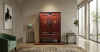
Relocating to Southeast Asia or styling a luxury penthouse often sparks a thrilling design quest. If you are searching for the perfect centerpiece to anchor your space, your pursuit of the finest Chinese Antique Furniture in the region finally ends in the vibrant heart of Thailand.
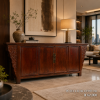
Bangkok has rapidly evolved into a premier global hub for luxury interior design, making the quest to discover authentic Chinese Antique Furniture an exhilarating journey for expatriates and affluent homeowners.
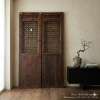
Have you ever walked into a flawlessly designed, ultra-modern room, only to feel that the atmosphere is somehow flat, cold, or uninspiring? In the pursuit of sleek minimalism, contemporary spaces often suffer from stagnant energy.
