Chinese Antique Furniture in Contemporary Luxury Interiors
When Traditional Furniture Meets Contemporary Architecture
Some of the most sophisticated interiors are built around contrast.
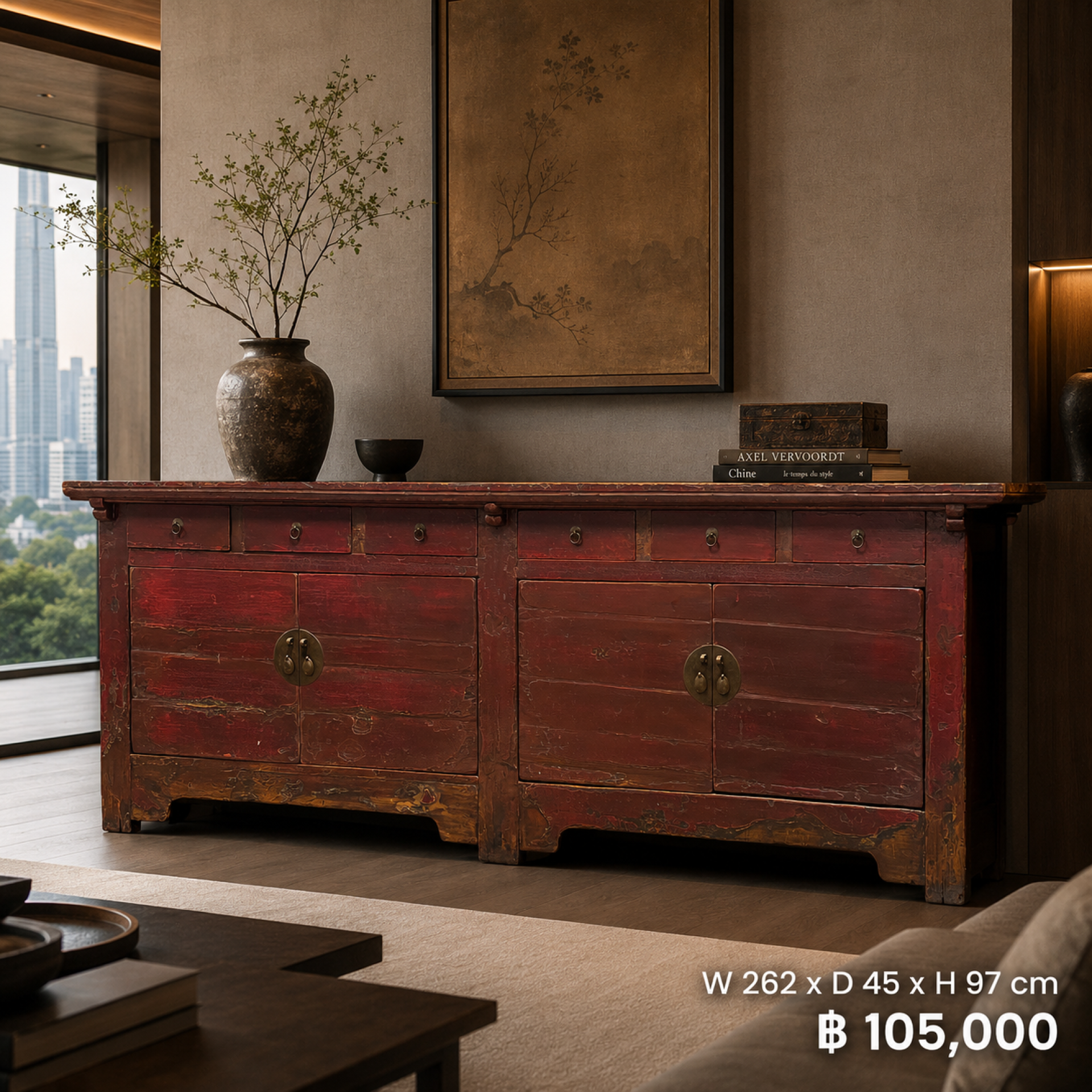
A contemporary residence may have generous glass, clean architectural lines, stone surfaces and carefully controlled lighting. Into this restrained environment, a Chinese antique cabinet or console table can introduce something less predictable: warmth, texture and a sense of individuality.
The appeal is not about recreating a historical Chinese interior. It is about allowing one carefully selected piece to participate in a modern composition.
Chinese antique furniture can work particularly well when the surrounding architecture remains calm. Against a quiet wall, a substantial cabinet becomes almost architectural. Beside contemporary seating, an antique table can provide a subtle change of scale and texture. In an open-plan room, a Chinese screen can create separation without relying on permanent construction.
The result feels collected rather than decorated.
The Art of Contrast: Why Chinese Antique Furniture Works in Modern Homes
Contrast in Form and Proportion
Contemporary interiors often depend on simplicity: strong horizontal lines, generous negative space and carefully controlled proportions.
Chinese antique furniture introduces a different visual language.
The silhouette of a cabinet, the rhythm of its doors, traditional hardware or the irregularity of an aged surface can create a point of visual interest within an otherwise disciplined room. The contrast becomes especially effective when the furniture is given enough surrounding space to be appreciated.
Scale matters.
A large room can accommodate a substantial cabinet or sideboard that anchors the composition. A more compact condominium may benefit from a smaller bedside cabinet, console table or carefully positioned decorative piece.
Rather than asking whether a piece is traditionally styled, it is more useful to ask whether its proportion, form and presence belong naturally within the room.
Warmth Against Contemporary Materials
Modern luxury interiors frequently combine stone, glass, metal and smooth architectural finishes.
Wood introduces another sensory quality.
The surface of Chinese antique furniture can bring warmth to polished materials and prevent a highly refined interior from becoming visually cold. This relationship is particularly effective when the surrounding palette is restrained.
A wooden cabinet against a pale stone wall. An antique console beneath contemporary artwork. A traditional table surrounded by modern chairs.
These combinations allow the furniture to retain its identity while becoming part of a contemporary interior language.
One Strong Piece Can Be Enough
Luxury is often strengthened by restraint.
A contemporary home does not need several traditional furniture pieces to communicate an appreciation of Chinese design. One well-positioned cabinet, sideboard, screen or console table may have greater impact than an entire room filled with matching furniture.
This approach also gives the interior a more personal quality.
The room remains contemporary, while the antique becomes a point of discovery.
Choosing the Right Chinese Antique Furniture for a Contemporary Space
Cabinets and Tall Cabinets
Cabinets can provide both visual weight and practical function.
In a contemporary living room, a Chinese antique cabinet can anchor an otherwise open wall. In a dining area, a sideboard can provide storage while establishing a stronger relationship between furniture and architecture.
Tall cabinets require particular attention to ceiling height and surrounding negative space. Their vertical presence can emphasise the proportions of a room, especially when positioned against a simple architectural background.
The objective is not to hide the furniture within the room. It is to give the piece enough space to become part of the architecture.
Sideboards and Console Tables
Lower furniture can be particularly easy to integrate into contemporary interiors.
A Chinese antique sideboard can sit comfortably within a dining room or living space, while a console table can establish a visual transition between an entrance, hallway or larger living area.
The styling around these pieces should remain considered.
Contemporary artwork, a sculptural lamp or a small selection of objects can create a composition without competing with the furniture itself.
Screens as Spatial Architecture
Chinese Screens offer a different opportunity.
In an open-plan residence, a screen can define a dining area, entrance or sitting space while maintaining a degree of visual connection between zones. Rather than functioning simply as decoration, it becomes part of the spatial planning.
This can be particularly useful in Bangkok condominiums and contemporary villas where open layouts are common.
The screen establishes a boundary without making the room feel divided.
Tables, Chairs and Bedside Cabinets
Smaller pieces can introduce Chinese character with greater subtlety.
A bedside cabinet can sit naturally beside a contemporary upholstered bed. A traditional table can become a distinctive accent within a restrained living room. Chairs can provide another layer of material and form without determining the entire style of the space.
These pieces are useful when the intention is to introduce Chinese furniture gradually rather than create a fully themed interior.
Creating a Contemporary Luxury Interior Around an Antique Piece
Start With the Room, Not the Furniture
The strongest interior compositions begin with the architecture.
Consider the natural light, flooring, wall finishes, ceiling height and existing furniture before deciding where an antique piece should sit.
This prevents the common mistake of treating furniture as an isolated object.
Instead, think about relationships.
How does the wood relate to the floor? Does the furniture balance the scale of the artwork? Does its height work with the architecture? Does the surrounding space allow its form to be seen clearly?
These questions are often more important than trying to match every object by style.
Let the Furniture Breathe
A significant piece needs visual space.
Placing too many decorative objects around an antique can weaken its presence. Leaving areas of quiet around the furniture allows its proportions, surface and craftsmanship to become more noticeable.
This is one reason Chinese antique furniture can work so effectively within minimalist or contemporary luxury interiors.
The simplicity around the piece creates a frame for it.
Build a Dialogue Between Old and Contemporary
The most interesting combinations rarely attempt to make everything look alike.
Instead, they allow different periods and materials to speak to one another.
A Chinese antique cabinet can sit beneath contemporary artwork. A traditional console can stand against a modern architectural wall. A Chinese screen can separate a space furnished with contemporary sofas and lighting.
The contrast gives the room character.
It also prevents the interior from becoming overly literal. The goal is not to create a historical setting, but to create a home with layers.
From Bangkok Condominiums to Luxury Villas: Applying the Approach
Contemporary Bangkok Condominiums
Urban residences often require furniture to work within carefully considered proportions.
A Chinese antique cabinet or console can provide personality without requiring major changes to the architecture. In an open-plan condominium, a screen can also help establish visual zones while preserving the feeling of openness.
The key is selection.
One appropriately scaled piece can have considerably more impact than several competing objects.
Luxury Villas and Private Residences
Larger residences offer greater freedom with scale.
A substantial cabinet can anchor an entrance hall. A sideboard can establish a visual focus within a dining room. A screen can create a transition between living areas, while carefully selected tables and chairs can add character to more intimate spaces.
Here, Chinese antique furniture can become part of the home's architectural rhythm rather than simply an accessory.
Interior Designers and Architectural Projects
For designers and architects, Chinese antique furniture offers another material and cultural layer within a contemporary project.
A carefully selected piece can help differentiate a space without changing its fundamental architectural language.
The furniture becomes one element within a larger composition of proportion, material, light and movement.
This is especially valuable in hospitality and high-end residential projects where individuality matters. A distinctive piece can give a room a sense of identity that standardised contemporary furnishings may not provide on their own.
The Quiet Luxury of Mixing Chinese Antique Furniture With Contemporary Design
The most successful combination of Chinese antique furniture and contemporary design is rarely about making a statement.
It is about curation.
A refined interior can remain thoroughly contemporary while incorporating furniture with traditional character, handcrafted detail and visual depth. The contrast creates warmth without sacrificing architectural clarity.
For homeowners, the approach also offers a more personal way to furnish a space. Instead of selecting every piece from the same design language, individual objects can reflect different interests, memories and tastes.
At Chinese House, a Bangkok showroom established in 1990, Chinese antique and reproduction furniture can be considered within this broader approach to interior design—whether the project is a contemporary condominium, private villa, hospitality space or carefully curated residence.
The most memorable room may not be the one with the most furniture.
It may simply be the one with the right piece, placed in the right space.
FAQ
Can Chinese antique furniture work in a modern interior?
Yes. The strongest approach is usually selective rather than thematic. A cabinet, sideboard, console table or screen can introduce warmth and character while contemporary architecture and furnishings maintain the overall modern character of the room.
How can I mix Chinese antique furniture with contemporary furniture?
Begin with proportion, material and scale rather than trying to match styles. Pair traditional furniture with restrained contemporary finishes, modern artwork and sufficient negative space so that the contrast feels deliberate.
Is Chinese antique furniture suitable for a Bangkok condominium?
Yes, provided the furniture is selected according to the room's scale and layout. Smaller cabinets, console tables and bedside cabinets can work particularly well, while Screens can help define open-plan spaces without closing them off.