Master Woodworking: The Soul of Chinese Antique Furniture
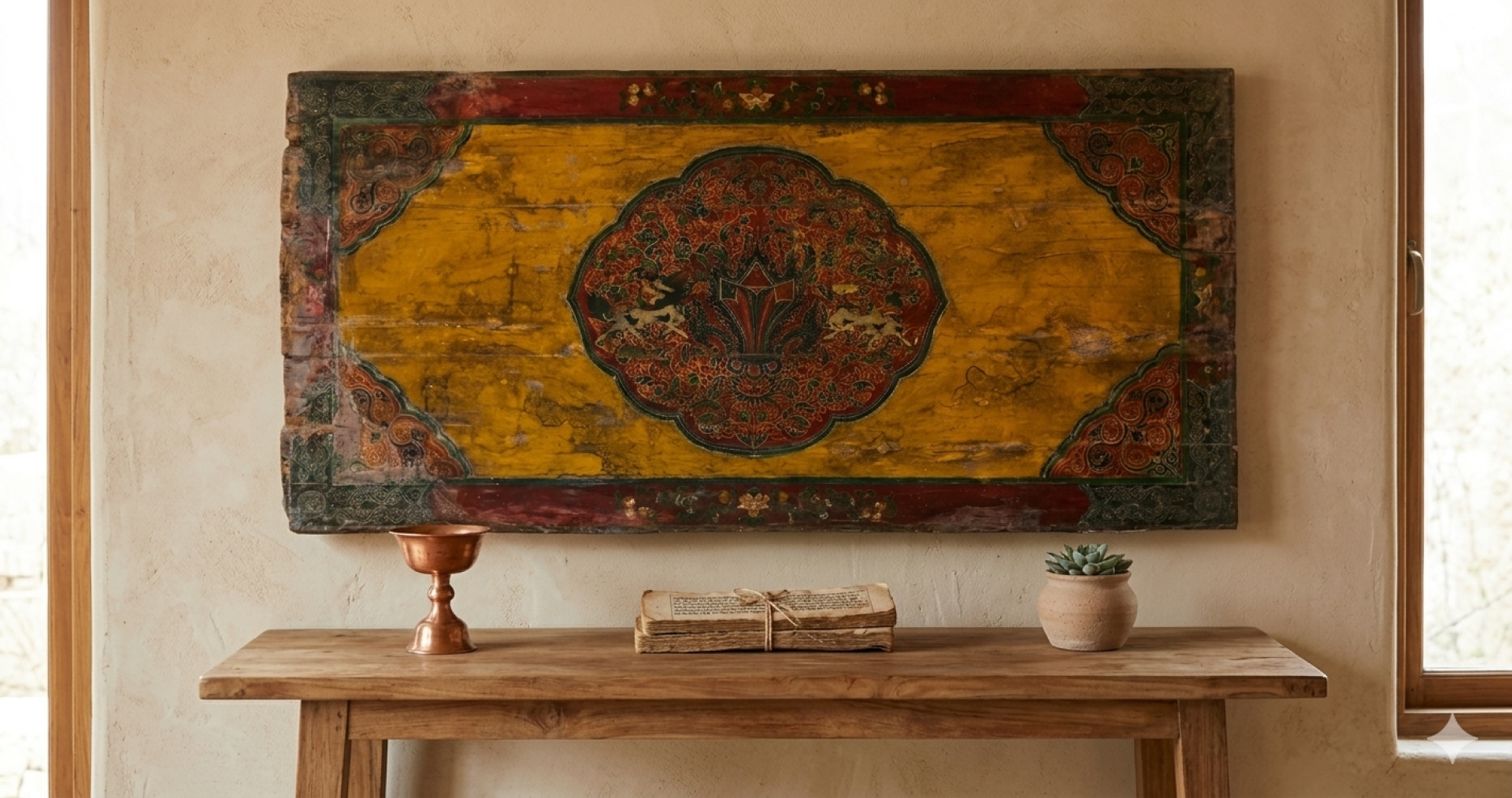
When examining a premium piece of Chinese antique furniture, what you are truly witnessing is a triumph of ancient engineering disguised as breathtaking art. For expatriates and design connoisseurs curating luxury spaces in Thailand, these pieces offer far more than just visual appeal. They represent a legacy of woodworking that modern mass production cannot replicate.
The secret to their enduring beauty and structural integrity lies in a profound understanding of nature. From the selection of exceptionally dense hardwoods to the implementation of nail-free, interlocking joints, the craftsmanship behind these artifacts is nothing short of brilliant. Today, we peel back the layers of history to explore the exquisite materials and architectural techniques that make these antique masterpieces the ultimate luxury lifestyle asset.
Main Content (รายละเอียดเนื้อหา):
The Holy Grail of Hardwoods: Nature’s Canvas
The foundation of any exceptional antique is the wood itself. Chinese artisans did not view wood as a mere building material; they treated it as a canvas, respecting its natural grain, color, and density.
Zitan and Huanghuali: During the Ming and early Qing dynasties, these exceptionally rare, slow-growing hardwoods were the gold standard. Prized for their deep, luminescent hues and incredibly dense grains, pieces crafted from these woods possess a glass-like natural polish that deepens beautifully over centuries.
Northern Elm (Jumu) and Walnut: Highly favored for their striking, wave-like grain patterns, these woods offer a robust and earthy aesthetic. Unpainted antique elm cabinets, with their warm, tactile surfaces, are currently highly coveted by interior designers looking to bring a grounded, "Wabi-Sabi" elegance to modern penthouses.
The Invisible Architecture: Mortise and Tenon Joinery
Perhaps the most fascinating aspect of Chinese woodworking is what you cannot see. Unlike European furniture that relies heavily on iron nails, screws, and animal glues, authentic Chinese antiques are built using complex, interlocking wooden joints.
Breathing with the Climate: The genius of the mortise-and-tenon system is its dynamic nature. The joints are engineered to allow the wood to expand and contract naturally. This is precisely why these centuries-old pieces thrive so effortlessly in Thailand’s tropical, fluctuating humidity—they simply adapt to their environment without cracking or warping.
Seamless Aesthetics: Because there are no metal fasteners to rust or degrade, the exterior of the furniture remains flawlessly smooth. The structural integrity is entirely internal, creating clean, sweeping silhouettes that fit perfectly into minimalist and contemporary decor.
The Artisan’s Touch: Lacquer and Relief Carving
Beyond the structure, the surface treatments applied by ancient craftsmen serve dual purposes: ultimate protection and storytelling.
Natural Sap Lacquer: The radiant, deep finishes on premium cabinets and altar tables are achieved using natural lacquer derived from the sap of the lacquer tree. Applied in meticulous layers, this ancient technique creates a waterproof, heat-resistant seal that protects the wood while giving it a soul-stirring, opulent glow.
Masterful Carving: Rather than adding external decorations, artisans carved directly into the thick wood panels. From delicate floral motifs symbolizing prosperity to deep-relief geometric patterns, the carvings turn functional storage into museum-quality sculpture.
A Masterpiece for the Modern Era
Owning a piece of Chinese antique furniture is akin to acquiring a functional piece of architectural history. The mastery of materials and techniques ensures that these items are not fragile relics, but incredibly durable assets designed for daily life. By integrating these masterworks into your home, you celebrate a timeless tradition of sustainable, uncompromising luxury.