Premium Reproductions: The Art of Chinese Antique Furniture
2270 Views
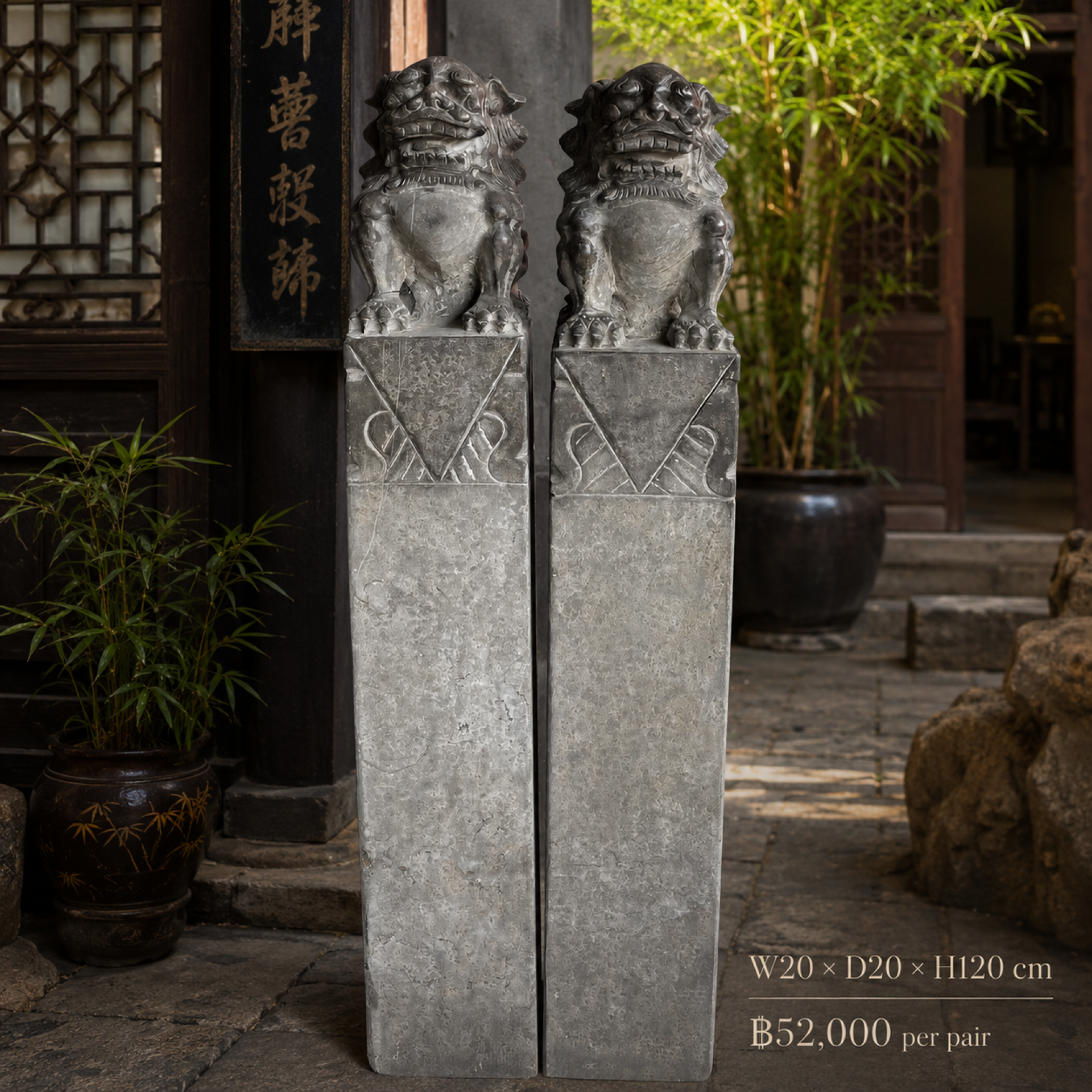
Premium Reproductions: The Art of Chinese Antique Furniture
Introduction
Chinese Antique Furniture has long captivated collectors, designers, and homeowners with its graceful proportions, refined craftsmanship, and enduring sense of history. Yet as luxury interiors evolve, a growing appreciation has emerged for premium reproductions—pieces that faithfully honor centuries-old design traditions while meeting the practical needs of contemporary living.
Far from simple copies, the finest reproductions preserve the artistry, materials, and construction techniques that made classical Chinese furniture so remarkable. In luxury Bangkok residences, elegant penthouses, and sophisticated hospitality spaces, these pieces offer a rare opportunity to experience the beauty of historical design through furniture crafted for modern lifestyles.
The Legacy Behind Classical Chinese Furniture Design
The Golden Age of Ming Dynasty Furniture
Among furniture historians, the Ming Dynasty (1368–1644) is widely regarded as one of the most influential periods in Chinese furniture design. Rather than relying on excessive ornamentation, Ming craftsmen emphasized proportion, balance, and structural elegance.
Scholar-officials favored furniture that reflected intellectual refinement. Cabinets, tables, and chairs were designed with clean silhouettes and carefully considered dimensions, allowing the natural beauty of the wood to become the focal point.
Today, many of the most admired forms found in Chinese Antique Furniture trace their origins directly to Ming Dynasty workshops, where craftsmanship and restraint were valued equally.
The Decorative Sophistication of the Qing Dynasty
The Qing Dynasty (1644–1912) introduced a different aesthetic language. Furniture became increasingly elaborate, featuring intricate carvings, decorative motifs, and luxurious finishes.
Imperial workshops produced extraordinary pieces using precious materials and highly skilled artisans. Cabinets displayed architectural details, while screens and partitions incorporated symbolic carvings that demonstrated remarkable craftsmanship.
The contrast between Ming simplicity and Qing richness continues to inspire both collectors and interior designers throughout the world.
Why These Designs Continue to Endure
Unlike many decorative trends, classical Chinese furniture was built around proportion and functionality. These qualities transcend changing fashions, making Chinese Vintage Furniture equally at home in a contemporary condominium as in a traditional residence.
The visual discipline developed centuries ago still resonates within modern luxury interiors today.
What Defines a Premium Chinese Furniture Reproduction?
More Than a Replica
The finest reproductions do not simply imitate appearance. They seek to preserve the design philosophy that made the original furniture exceptional.
Premium reproductions carefully respect traditional dimensions, visual balance, construction methods, and craftsmanship standards. Every curve, panel, and carved detail is thoughtfully executed to maintain the character of the original design.
This distinction separates masterfully crafted furniture from mass-produced decorative copies.
Traditional Joinery Without Compromise
One of the most remarkable achievements of Chinese furniture making is the use of mortise-and-tenon joinery.
Developed over centuries, this sophisticated construction technique allows individual wooden components to interlock precisely without relying heavily on nails or screws.
The method contributes both structural integrity and flexibility, helping furniture withstand seasonal movement while maintaining exceptional durability.
Many premium reproductions continue to utilize these traditional joinery principles, preserving a defining characteristic of authentic Chinese craftsmanship.
Honoring Traditional Craftsmanship
The creation of a premium reproduction often involves numerous hand-finishing stages. Craftsmen shape surfaces, refine edges, and apply finishes that enhance the natural beauty of the wood.
Traditional lacquer craftsmanship remains particularly admired. Developed over generations, lacquer finishing creates depth, subtle sheen, and protection while highlighting the elegance of the furniture's form.
These techniques ensure that reproductions retain the spirit of historical craftsmanship rather than merely reproducing historical appearances.
The Materials That Shape Authentic Character
Huanghuali: The Scholar's Wood
Huanghuali is among the most celebrated woods in Chinese furniture history.
Highly prized during the late Ming Dynasty, it is known for its distinctive grain patterns, warm golden-brown coloration, and natural fragrance. Its beauty allowed craftsmen to create furniture where the wood itself became an artistic element.
Many of the most iconic examples of classical Chinese furniture were originally crafted using Huanghuali.
Zitan: Imperial Refinement
Zitan occupies a special place within Chinese decorative arts.
Favored by imperial workshops, this dense hardwood possesses a rich, deep coloration that develops extraordinary visual depth over time. Its rarity and demanding working properties made it a material associated with elite craftsmanship.
Historical records indicate that Zitan furniture was often reserved for imperial and aristocratic settings, reflecting its prestigious status.
Elm Wood and Everyday Elegance
While exotic hardwoods received much attention, Elm wood played an equally important role in traditional Chinese households.
Valued for its durability, workability, and attractive grain, Elm became a preferred material for cabinets, sideboards, tables, and practical household furnishings.
Today, its natural warmth makes it especially appealing within contemporary interiors that seek a balance between sophistication and comfort.
Styling Premium Reproductions in Luxury Bangkok Interiors
Creating Character in Modern Condominiums
Luxury condominiums often feature clean architectural lines and contemporary finishes. Introducing a classical Chinese cabinet can create a striking focal point without overwhelming the space.
A scholar cabinet placed against a textured wall immediately adds visual depth and cultural richness. The contrast between minimalist architecture and historical craftsmanship creates an atmosphere of understated luxury.
Bringing Warmth to Pool Villas
Large villas benefit from statement furniture pieces that anchor expansive interiors.
An Antique Cabinet positioned within a spacious living area introduces warmth, texture, and visual weight. Traditional partitions can define open-plan spaces while maintaining flow and openness.
Natural materials, stone surfaces, and soft ambient lighting complement Chinese Antique Furniture particularly well.
Boutique Hospitality and Designer Spaces
Hotels, private clubs, and boutique hospitality projects increasingly incorporate Asian Furniture to create distinctive guest experiences.
Chinese doors, decorative partitions, and handcrafted cabinets provide narrative and authenticity while enhancing the overall atmosphere.
Rather than functioning solely as furniture, these pieces become part of the architectural storytelling of a space.
Achieving Balance
Successful interiors avoid creating themed environments. Instead, they allow individual furniture pieces to serve as focal points within a broader design composition.
Combining Chinese Antique Furniture with contemporary art, natural textiles, and modern lighting often produces the most sophisticated results.
Why Premium Reproductions Continue to Grow in Popularity
Historical Beauty for Contemporary Living
Many homeowners appreciate historical design but require furniture suited to modern lifestyles.
Premium reproductions bridge this gap by preserving classical aesthetics while offering practicality, durability, and versatility.
Appreciation for Handmade Craftsmanship
As mass production becomes increasingly common, handcrafted furniture carries renewed significance.
The visible evidence of skilled craftsmanship—from joinery to finishing—creates an emotional connection rarely found in factory-produced furnishings.
Preserving Traditional Skills
The continued creation of premium reproductions supports traditional woodworking knowledge that has been passed through generations.
These pieces serve as living examples of historical craftsmanship, allowing classical techniques to remain relevant within contemporary design culture.
For more than three decades, Chinese House has specialized in authentic Chinese antique furniture, masterfully crafted reproductions, and professional restoration expertise, helping preserve the enduring legacy of traditional Chinese craftsmanship.
Discover the Enduring Elegance of Chinese Antique Furniture
The finest premium reproductions do more than recreate historical designs. They preserve centuries of artistry, craftsmanship, and cultural heritage while enriching contemporary interiors with warmth and character.
Whether placed within a luxury Bangkok condominium, a private pool villa, or a boutique hospitality project, these pieces offer a timeless design language rooted in the traditions of the Ming Dynasty, the artistry of the Qing Dynasty, and the remarkable ingenuity of mortise-and-tenon joinery.
For those who value authenticity, craftsmanship, and refined living, premium reproductions provide a meaningful connection between history and modern luxury.
FAQ
What is a premium reproduction in Chinese furniture?
A premium reproduction is a high-quality piece crafted to honor traditional Chinese furniture design, construction techniques, and proportions while being suitable for contemporary use.
Why is mortise-and-tenon joinery important?
Mortise-and-tenon joinery is a traditional woodworking technique that creates strong, durable connections without relying heavily on metal fasteners. It is one of the defining characteristics of classical Chinese furniture craftsmanship.
Can Chinese Antique Furniture work in modern homes?
Yes. Chinese Antique Furniture complements contemporary interiors exceptionally well, especially in luxury condos, villas, and designer residences where historical craftsmanship creates contrast and visual depth.
Introduction
Chinese Antique Furniture has long captivated collectors, designers, and homeowners with its graceful proportions, refined craftsmanship, and enduring sense of history. Yet as luxury interiors evolve, a growing appreciation has emerged for premium reproductions—pieces that faithfully honor centuries-old design traditions while meeting the practical needs of contemporary living.
Far from simple copies, the finest reproductions preserve the artistry, materials, and construction techniques that made classical Chinese furniture so remarkable. In luxury Bangkok residences, elegant penthouses, and sophisticated hospitality spaces, these pieces offer a rare opportunity to experience the beauty of historical design through furniture crafted for modern lifestyles.
The Legacy Behind Classical Chinese Furniture Design
The Golden Age of Ming Dynasty Furniture
Among furniture historians, the Ming Dynasty (1368–1644) is widely regarded as one of the most influential periods in Chinese furniture design. Rather than relying on excessive ornamentation, Ming craftsmen emphasized proportion, balance, and structural elegance.
Scholar-officials favored furniture that reflected intellectual refinement. Cabinets, tables, and chairs were designed with clean silhouettes and carefully considered dimensions, allowing the natural beauty of the wood to become the focal point.
Today, many of the most admired forms found in Chinese Antique Furniture trace their origins directly to Ming Dynasty workshops, where craftsmanship and restraint were valued equally.
The Decorative Sophistication of the Qing Dynasty
The Qing Dynasty (1644–1912) introduced a different aesthetic language. Furniture became increasingly elaborate, featuring intricate carvings, decorative motifs, and luxurious finishes.
Imperial workshops produced extraordinary pieces using precious materials and highly skilled artisans. Cabinets displayed architectural details, while screens and partitions incorporated symbolic carvings that demonstrated remarkable craftsmanship.
The contrast between Ming simplicity and Qing richness continues to inspire both collectors and interior designers throughout the world.
Why These Designs Continue to Endure
Unlike many decorative trends, classical Chinese furniture was built around proportion and functionality. These qualities transcend changing fashions, making Chinese Vintage Furniture equally at home in a contemporary condominium as in a traditional residence.
The visual discipline developed centuries ago still resonates within modern luxury interiors today.
What Defines a Premium Chinese Furniture Reproduction?
More Than a Replica
The finest reproductions do not simply imitate appearance. They seek to preserve the design philosophy that made the original furniture exceptional.
Premium reproductions carefully respect traditional dimensions, visual balance, construction methods, and craftsmanship standards. Every curve, panel, and carved detail is thoughtfully executed to maintain the character of the original design.
This distinction separates masterfully crafted furniture from mass-produced decorative copies.
Traditional Joinery Without Compromise
One of the most remarkable achievements of Chinese furniture making is the use of mortise-and-tenon joinery.
Developed over centuries, this sophisticated construction technique allows individual wooden components to interlock precisely without relying heavily on nails or screws.
The method contributes both structural integrity and flexibility, helping furniture withstand seasonal movement while maintaining exceptional durability.
Many premium reproductions continue to utilize these traditional joinery principles, preserving a defining characteristic of authentic Chinese craftsmanship.
Honoring Traditional Craftsmanship
The creation of a premium reproduction often involves numerous hand-finishing stages. Craftsmen shape surfaces, refine edges, and apply finishes that enhance the natural beauty of the wood.
Traditional lacquer craftsmanship remains particularly admired. Developed over generations, lacquer finishing creates depth, subtle sheen, and protection while highlighting the elegance of the furniture's form.
These techniques ensure that reproductions retain the spirit of historical craftsmanship rather than merely reproducing historical appearances.
The Materials That Shape Authentic Character
Huanghuali: The Scholar's Wood
Huanghuali is among the most celebrated woods in Chinese furniture history.
Highly prized during the late Ming Dynasty, it is known for its distinctive grain patterns, warm golden-brown coloration, and natural fragrance. Its beauty allowed craftsmen to create furniture where the wood itself became an artistic element.
Many of the most iconic examples of classical Chinese furniture were originally crafted using Huanghuali.
Zitan: Imperial Refinement
Zitan occupies a special place within Chinese decorative arts.
Favored by imperial workshops, this dense hardwood possesses a rich, deep coloration that develops extraordinary visual depth over time. Its rarity and demanding working properties made it a material associated with elite craftsmanship.
Historical records indicate that Zitan furniture was often reserved for imperial and aristocratic settings, reflecting its prestigious status.
Elm Wood and Everyday Elegance
While exotic hardwoods received much attention, Elm wood played an equally important role in traditional Chinese households.
Valued for its durability, workability, and attractive grain, Elm became a preferred material for cabinets, sideboards, tables, and practical household furnishings.
Today, its natural warmth makes it especially appealing within contemporary interiors that seek a balance between sophistication and comfort.
Styling Premium Reproductions in Luxury Bangkok Interiors
Creating Character in Modern Condominiums
Luxury condominiums often feature clean architectural lines and contemporary finishes. Introducing a classical Chinese cabinet can create a striking focal point without overwhelming the space.
A scholar cabinet placed against a textured wall immediately adds visual depth and cultural richness. The contrast between minimalist architecture and historical craftsmanship creates an atmosphere of understated luxury.
Bringing Warmth to Pool Villas
Large villas benefit from statement furniture pieces that anchor expansive interiors.
An Antique Cabinet positioned within a spacious living area introduces warmth, texture, and visual weight. Traditional partitions can define open-plan spaces while maintaining flow and openness.
Natural materials, stone surfaces, and soft ambient lighting complement Chinese Antique Furniture particularly well.
Boutique Hospitality and Designer Spaces
Hotels, private clubs, and boutique hospitality projects increasingly incorporate Asian Furniture to create distinctive guest experiences.
Chinese doors, decorative partitions, and handcrafted cabinets provide narrative and authenticity while enhancing the overall atmosphere.
Rather than functioning solely as furniture, these pieces become part of the architectural storytelling of a space.
Achieving Balance
Successful interiors avoid creating themed environments. Instead, they allow individual furniture pieces to serve as focal points within a broader design composition.
Combining Chinese Antique Furniture with contemporary art, natural textiles, and modern lighting often produces the most sophisticated results.
Why Premium Reproductions Continue to Grow in Popularity
Historical Beauty for Contemporary Living
Many homeowners appreciate historical design but require furniture suited to modern lifestyles.
Premium reproductions bridge this gap by preserving classical aesthetics while offering practicality, durability, and versatility.
Appreciation for Handmade Craftsmanship
As mass production becomes increasingly common, handcrafted furniture carries renewed significance.
The visible evidence of skilled craftsmanship—from joinery to finishing—creates an emotional connection rarely found in factory-produced furnishings.
Preserving Traditional Skills
The continued creation of premium reproductions supports traditional woodworking knowledge that has been passed through generations.
These pieces serve as living examples of historical craftsmanship, allowing classical techniques to remain relevant within contemporary design culture.
For more than three decades, Chinese House has specialized in authentic Chinese antique furniture, masterfully crafted reproductions, and professional restoration expertise, helping preserve the enduring legacy of traditional Chinese craftsmanship.
Discover the Enduring Elegance of Chinese Antique Furniture
The finest premium reproductions do more than recreate historical designs. They preserve centuries of artistry, craftsmanship, and cultural heritage while enriching contemporary interiors with warmth and character.
Whether placed within a luxury Bangkok condominium, a private pool villa, or a boutique hospitality project, these pieces offer a timeless design language rooted in the traditions of the Ming Dynasty, the artistry of the Qing Dynasty, and the remarkable ingenuity of mortise-and-tenon joinery.
For those who value authenticity, craftsmanship, and refined living, premium reproductions provide a meaningful connection between history and modern luxury.
FAQ
What is a premium reproduction in Chinese furniture?
A premium reproduction is a high-quality piece crafted to honor traditional Chinese furniture design, construction techniques, and proportions while being suitable for contemporary use.
Why is mortise-and-tenon joinery important?
Mortise-and-tenon joinery is a traditional woodworking technique that creates strong, durable connections without relying heavily on metal fasteners. It is one of the defining characteristics of classical Chinese furniture craftsmanship.
Can Chinese Antique Furniture work in modern homes?
Yes. Chinese Antique Furniture complements contemporary interiors exceptionally well, especially in luxury condos, villas, and designer residences where historical craftsmanship creates contrast and visual depth.
Related Content
Quick Guide: 5 Pillars of Chinese Antique Furniture Heritage
Introduction (เนื้อหาแนะนำ): Embarking on the journey of collecting Chinese Antique Furniture is an invitation to bring centuries of dynastic grandeur and profound cultural history into your modern home. But what exactly makes these historical pieces so extraordinarily valuable and highly sought after by top-tier interior designers?
A well-designed home workspace does not have to look like an office. Chinese antique furniture can give a study a sense of character, proportion and quiet distinction, particularly when set against contemporary architecture and restrained materials.
Antique vs Reproduction furniture is a distinction worth understanding before choosing a piece for a refined interior.
