Decoding Symbolism in Chinese Antique Furniture
The Hidden Language of Master Carvings
In traditional Chinese design, every flower, animal, and geometric shape carries a distinct, highly intentional meaning. These are not merely decorative afterthoughts. They are the defining characteristics that elevate premium Antique Furniture into museum-worthy storytelling centerpieces.
Here are some of the most prominent motifs you will discover:
The Bat (Fu): While Western cultures might view bats differently, in Chinese tradition, the word for bat (fu) sounds exactly like the word for "good fortune" or "blessing." Five bats grouped together represent the Five Blessings: longevity, wealth, health, virtue, and a natural death. You will often see these gracefully carved onto the aprons of altar tables or the crest rails of imposing armchairs.
The Dragon (Long): An emblem of the Emperor, the dragon symbolizes supreme power, divine protection, and absolute authority. An imposing Antique Cabinet adorned with deeply carved dragon motifs instantly becomes a majestic focal point, commanding respect and anchoring the room with masculine Yang energy.
The Peony (Mudan): Known as the "King of Flowers," the lush, blooming peony is the ultimate symbol of romance, wealth, and high social honor. Intricate peony carvings bring an undeniable sense of grace and flourishing prosperity to elegant bedroom screens or vanity boxes.
The Ruyi Motif: Often resembling a stylized cloud or a lingering mushroom, the Ruyi translates to "as you wish." This motif is commonly found in the spandrels and corner joints of fine tables, granting the owner boundless success and smooth endeavors.
Weaving Blessings into Modern Interior Design
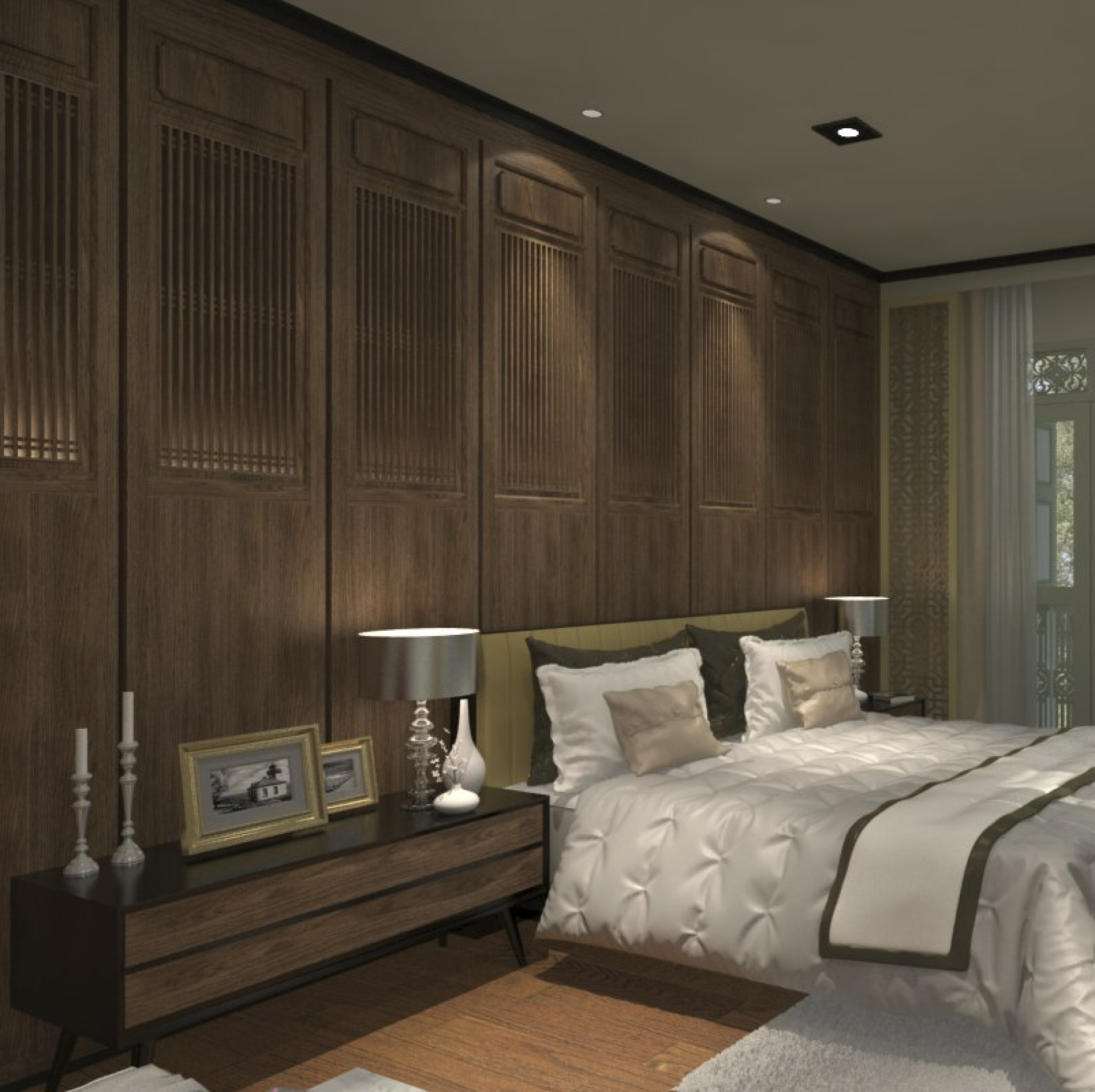
Sophisticated Home Decoration is about creating harmony and sparking intrigue. When you integrate Chinese Vintage Furniture into a contemporary penthouse or luxury villa, these ancient symbols resonate beautifully against modern minimalist backdrops.
A stately wedding cabinet featuring circular brass hardware (representing the unity of heaven and earth and marital harmony) serves not only as functional storage but as a profound piece of Antique Decoration. The rich patina of the wood, combined with these auspicious signs, ensures that genuine Vintage Furniture ages as a captivating conversational masterpiece rather than just an old household item.
Securing Your Heritage Collection
For interior designers and astute collectors searching for the finest Antique Furniture Bangkok has to offer, distinguishing between mere old wood and historically significant artistry is vital. A true collector understands that these motifs are the soul of the piece.
At Chinese House, we curate an unparalleled selection of extraordinary heritage assets. Whether you are seeking a subtle side table graced with lotus carvings or a monumental statement piece, we provide the most exceptional Antique Furniture Thailand can provide. Our commitment to excellence ensures that every piece you acquire is a breathtaking testament to ancient craftsmanship, ready to shower your home with timeless blessings and undeniable luxury.