Why Color Matters More in Condo Living
Why Color Matters More in Condo Living
Condominiums often present unique design challenges. Compared with traditional houses, they typically feature more compact layouts, open-plan living areas, and extensive use of modern materials such as glass, stone, and metal.
Color becomes an essential design tool in these environments. It shapes visual balance, influences the perception of space, and determines whether antique pieces feel integrated or isolated.
This relationship is particularly important when working with Chinese Antique Furniture. Historically, furniture from the Ming Dynasty emphasized elegant proportions, restraint, and refined craftsmanship rather than excessive ornamentation. These same qualities align naturally with contemporary luxury interiors.
When supported by the right color palette, an antique cabinet, console, or partition becomes architectural rather than decorative.
The Foundation Palette: Neutrals That Let Antiques Shine
Among interior designers, warm neutrals remain the most reliable backdrop for antique furniture.
Soft ivory walls create a serene setting that allows wood grain and handcrafted details to stand out. Gentle stone tones, muted limestone shades, and warm off-whites provide sophistication without competing for attention.
In Bangkok luxury condos, these colors work particularly well because they complement abundant natural light while maintaining a calm atmosphere.
Taupe, sand, and greige introduce additional depth. These subtle shades pair beautifully with traditional elm wood furniture, allowing antique cabinets and sideboards to feel grounded without appearing heavy.
A carefully chosen neutral palette creates a gallery-like environment where each furniture piece can be appreciated as functional art.
Rich Earth Tones Inspired by Traditional Chinese Interiors
Traditional Chinese courtyard homes often incorporated colors drawn directly from nature.
Earthy clay walls, weathered timber structures, and natural stone surfaces formed interiors that felt warm and inviting. Modern condominium owners can reinterpret these influences through contemporary palettes.
Terracotta accents bring warmth to living rooms featuring Chinese Vintage Furniture. Tea-brown tones echo the rich patina often found on antique cabinets and decorative wooden furniture.
Deep olive and forest green have become increasingly popular in luxury interiors. These colors create sophisticated contrast against antique woods while maintaining a natural, organic character.
A reading corner featuring a dark green wall, antique chair, and soft ambient lighting can feel both contemporary and timeless.
Dark & Dramatic Color Schemes for Contemporary Elegance
While light palettes remain popular, darker schemes offer exceptional opportunities to showcase Chinese Antique Furniture.
Charcoal, graphite, and ink-black walls create striking visual contrast. Against these backgrounds, the silhouette of an antique cabinet becomes more pronounced, and intricate craftsmanship gains greater visibility.
Historically, traditional lacquer craftsmanship often utilized deep black finishes that emphasized elegance and restraint. Modern interiors can draw inspiration from this aesthetic without feeling historical.
Balance is essential.
Dark walls perform best when paired with layered lighting, reflective surfaces, and carefully selected textures. Warm lighting softens shadows while highlighting carved details and natural wood grain.
The result is a refined atmosphere often seen in luxury hospitality spaces and high-end penthouses.
Color Pairings Inspired by Historic Chinese Craftsmanship
The beauty of Chinese Antique Furniture is closely connected to the materials used by generations of master craftsmen.
Huanghuali wood, highly prized during the Ming Dynasty, is admired for its rich color variation and distinctive grain patterns. Interiors featuring Huanghuali-inspired tones pair beautifully with soft creams, muted golds, and warm stone colors.
Zitan wood, historically associated with imperial furniture, presents deeper and darker tones. Contemporary interiors often complement these rich woods with charcoal, bronze, and sophisticated grey palettes.
Elm wood remains one of the most versatile traditional materials. Its warm character integrates easily into modern condominium settings and works particularly well alongside linen fabrics, textured rugs, and natural stone finishes.
Traditional mortise-and-tenon joinery, a hallmark of classical Chinese furniture construction, demonstrates the extraordinary craftsmanship behind these pieces. Because the construction itself is a visual feature, surrounding colors should support rather than compete with the furniture.
Traditional lacquer craftsmanship offers another opportunity for creative styling. Black lacquer furniture appears especially elegant against soft neutral backgrounds, while red lacquer pieces function beautifully as statement elements within restrained interiors.
Designing a Luxury Condo Around One Antique Piece
One of the most successful approaches to styling antique furniture is restraint.
Rather than filling a room with numerous historical pieces, many designers begin with a single statement item.
An antique cabinet can anchor an entire living room. A Chinese console table can define an entryway. A scholar-inspired cabinet can transform a home office into a sophisticated retreat.
Once the focal piece is established, surrounding colors should reinforce its presence.
Neutral walls, layered textiles, carefully selected artwork, and subtle lighting allow antique furniture to command attention naturally.
This approach is particularly effective in modern Bangkok condominiums, where space is often limited and every design decision carries greater visual impact.
The goal is not to recreate a historical interior. Instead, it is to create a contemporary home enriched by authentic craftsmanship, heritage, and timeless design principles.
For more than three decades, Chinese House has helped homeowners, designers, and collectors discover Chinese Antique Furniture and beautifully crafted reproductions that bring these qualities into modern living environments. Established in Bangkok in 1990, the company remains dedicated to traditional craftsmanship, restoration expertise, and refined Asian interiors.
Conclusion
Color acts as the bridge between heritage and contemporary living.
Whether using soft neutrals, earthy natural tones, or dramatic dark palettes, the most successful interiors allow Chinese Antique Furniture to remain the visual focus. Thoughtful color choices reveal craftsmanship, highlight materials, and create a sense of permanence that transcends changing trends.
In luxury condominium design, a carefully selected antique cabinet or vintage furniture piece can bring warmth, authenticity, and sophistication that modern furnishings alone rarely achieve.
By understanding how color interacts with wood, lacquer, and traditional craftsmanship, homeowners can create interiors that feel both elegant and deeply personal.
Discover Timeless Chinese Furniture for Modern Living
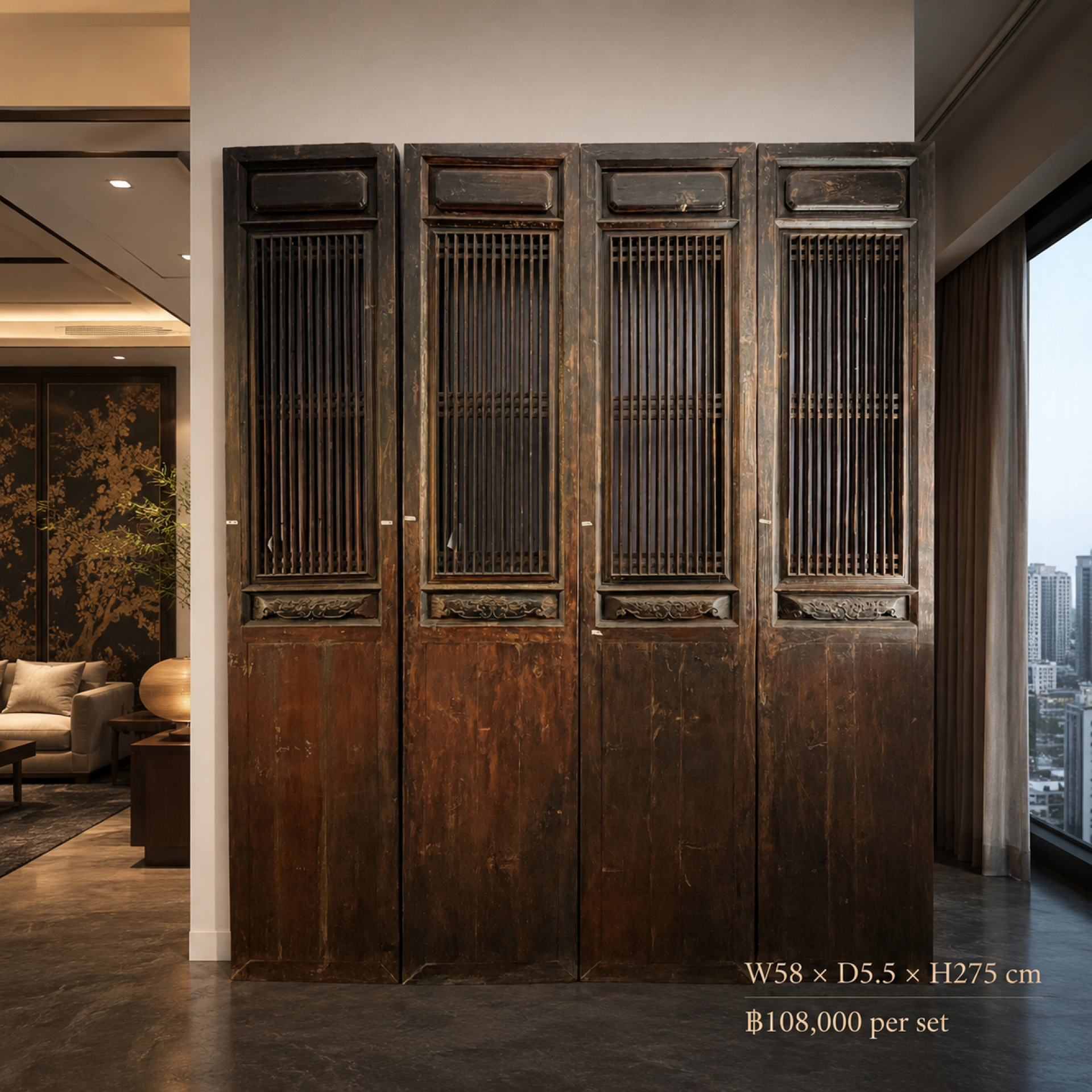
Explore the curated collection of Chinese Antique Furniture, Vintage Furniture, antique cabinets, partitions, and decorative wooden furnishings at Chinese House Bangkok. Each piece offers an opportunity to bring history, craftsmanship, and refined Asian aesthetics into contemporary homes.
FAQ
What wall color works best with Chinese Antique Furniture?
Warm whites, ivory, greige, and soft stone tones are among the most versatile choices. These colors highlight wood grain and craftsmanship while maintaining a sophisticated atmosphere.
Can Chinese Antique Furniture work in modern condominiums?
Yes. The clean proportions of many Ming Dynasty-inspired pieces complement contemporary interiors exceptionally well, especially when paired with thoughtful color palettes and modern lighting.
Are dark wall colors suitable for antique furniture?
Absolutely. Charcoal, deep olive, and ink-black walls can create dramatic contrast that enhances the silhouette, carvings, and lacquer finishes of antique furniture.