The Art of Woodworking in Chinese Antique Furniture

The Origins of Chinese Woodworking Mastery
The history of Chinese furniture craftsmanship reaches back thousands of years, but it was during the Ming Dynasty (1368–1644) that furniture design achieved extraordinary refinement. Ming furniture became renowned for its balanced proportions, restrained elegance, and technical excellence. Rather than relying on excessive ornamentation, craftsmen focused on harmony, structure, and the natural beauty of wood.
During the Qing Dynasty (1644–1912), furniture evolved to become more elaborate, reflecting the prosperity and tastes of the imperial court. While decorative carving became increasingly sophisticated, the underlying woodworking principles established during the Ming period remained central to quality construction.
Traditional Chinese furniture was never viewed as a separate decorative object. Instead, it formed part of a broader architectural philosophy. Furniture, courtyards, screens, and interiors were designed to create visual balance and spatial harmony. This relationship between architecture and furniture continues to inspire modern luxury interiors today.
The Genius of Mortise-and-Tenon Joinery
Among the greatest achievements of traditional Chinese woodworking is mortise-and-tenon joinery.
Unlike many Western furniture traditions that relied heavily on nails, screws, or adhesives, Chinese craftsmen developed intricate interlocking joints that connected individual components with remarkable precision. These joints allowed furniture to remain structurally stable while accommodating natural expansion and contraction caused by changes in humidity.
The technique requires extraordinary skill. Every component must fit perfectly, often with tolerances measured in fractions of a millimeter. When executed correctly, the result is furniture capable of lasting for centuries.
Many surviving antique cabinets, scholar tables, and chairs still retain their original structural integrity because of this remarkable construction method. It remains one of the defining characteristics of fine Chinese Antique Furniture.
The Precious Woods Behind Chinese Antique Furniture
Exceptional craftsmanship begins with exceptional materials.
Huanghuali Wood
Often regarded as one of China's most celebrated furniture woods, Huanghuali was especially prized during the Ming Dynasty. Its warm golden-brown tones, subtle fragrance, and flowing grain patterns made it highly desirable among scholars and wealthy families.
Craftsmen frequently selected boards specifically to showcase natural grain movement, transforming functional furniture into works of art.
Zitan Wood
Zitan is among the densest and most prestigious woods historically used in Chinese furniture. Deep in color and exceptionally durable, it became associated with imperial workshops and elite households.
Its density allowed craftsmen to achieve extraordinary precision, resulting in furniture with crisp lines and refined detailing.
Elm Wood
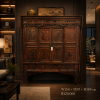
While Huanghuali and Zitan were associated with wealth and status, elm wood played a vital role throughout northern China. Strong, versatile, and visually appealing, elm was widely used for cabinets, tables, and storage furniture.
Today, antique elm furniture remains highly sought after for its character, warmth, and adaptability within contemporary interiors.
Surface Craftsmanship and Decorative Techniques
The artistry of Chinese woodworking extends beyond structure.
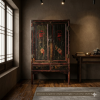
Traditional lacquer craftsmanship developed over centuries as both a protective and decorative finish. Craftsmen applied multiple layers of natural lacquer, often polishing each layer individually to achieve remarkable depth and richness.
The resulting surfaces possess a luminous quality that continues to evolve with age.
Hand carving further elevated furniture into artistic expression. Decorative motifs inspired by nature, literature, and traditional culture appeared on cabinet doors, screens, and architectural panels. Yet even highly decorated pieces maintained a sense of balance, avoiding visual excess.
This careful restraint remains one of the hallmarks of sophisticated Chinese design.
Why Chinese Antique Furniture Complements Modern Luxury Interiors
In contemporary luxury residences, authenticity has become increasingly valuable.
A handcrafted antique cabinet introduces depth and character that cannot be replicated by mass-produced furnishings. The natural patina developed over decades creates visual richness that contrasts beautifully with modern materials such as glass, stone, and steel.
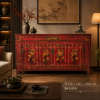
In Bangkok luxury condos, a single antique sideboard can anchor an open-plan living space. In tropical pool villas, antique cabinets add warmth and texture against clean architectural lines. Boutique hospitality projects often use antique partitions and decorative furniture to create memorable guest experiences.
The appeal lies in contrast. Contemporary architecture provides simplicity, while handcrafted furniture introduces history, texture, and individuality.
Appreciating Craftsmanship Through a Collector's Eye
Understanding Chinese Antique Furniture begins with learning to observe details.
The flow of wood grain, the precision of joinery, the proportions of a cabinet, and the quality of finishing all reveal the skill of the craftsman. Small details often communicate more than elaborate decoration.
Collectors and designers increasingly appreciate these qualities because they represent something rare in modern manufacturing: the presence of the human hand.
As interest in heritage craftsmanship continues to grow, traditional woodworking techniques remain deeply relevant. They remind us that furniture can be more than functional. It can embody culture, artistry, and generations of accumulated knowledge.
Conclusion
The enduring appeal of Chinese Antique Furniture is inseparable from the woodworking traditions that shaped it. From the elegant proportions of Ming furniture to the sophisticated joinery techniques that allow pieces to survive for centuries, every cabinet and table tells a story of craftsmanship and patience.
For homeowners, interior designers, and collectors seeking depth, authenticity, and character, these handcrafted works offer a connection to one of the world's most accomplished furniture-making traditions.
Established in Bangkok in 1990, Chinese House continues to celebrate this legacy through carefully selected Chinese antique furniture, masterfully crafted reproductions, and professional restoration expertise.
FAQ
What makes Chinese Antique Furniture different from modern furniture?
Traditional Chinese furniture relies on advanced joinery techniques, handcrafted construction, and carefully selected hardwoods rather than mass-production methods, resulting in exceptional durability and character.
What is mortise-and-tenon joinery?
Mortise-and-tenon joinery is a woodworking technique where components interlock without nails or screws. It is one of the defining features of high-quality Chinese Antique Furniture and contributes significantly to its longevity.
Can Chinese Antique Furniture work in modern homes?
Absolutely. Antique cabinets, sideboards, partitions, and chairs often create striking focal points in contemporary condos, villas, and luxury hospitality spaces by adding warmth, texture, and historical depth.