Why One Exceptional Antique Piece Can Transform an Entire Room

Why One Exceptional Antique Piece Can Transform an Entire Room
Contemporary interior design has increasingly moved toward curated spaces rather than heavily decorated rooms. Designers often focus on a single object with strong visual presence and allow it to become the focal point around which everything else is arranged.
Chinese antique furniture naturally fulfills this role. The aged patina of wood, subtle imperfections developed through decades of use, and remarkable craftsmanship create an authenticity that cannot be replicated by mass-produced furnishings.
Unlike decorative accessories that come and go with trends, an antique cabinet or sideboard introduces permanence. It adds a sense of narrative to a room, encouraging guests to pause, observe, and appreciate the details.
A statement antique piece also helps create visual balance. Rather than competing elements scattered throughout a space, the eye is drawn toward one carefully selected object. The result feels calm, sophisticated, and intentional.
Choosing the Right Statement Piece
The Architectural Presence of Antique Cabinets
Among all forms of antique furniture, cabinets often make the strongest statement.
Historically, scholar cabinets occupied important positions within Chinese homes. They were used to display treasured objects, books, ceramics, and personal collections. Their proportions were carefully considered to create harmony within a room.
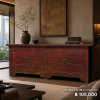
Today, an antique cabinet can serve a similar purpose in modern interiors. Positioned against a clean wall, it immediately establishes character without overwhelming the surrounding architecture.
In a luxury condominium, a tall cabinet can introduce warmth to a minimalist living room. In a villa entrance, it creates an elegant arrival experience that feels both welcoming and distinctive.
Console Tables and Sideboards
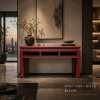
For homeowners seeking a lighter visual footprint, an antique console table or sideboard can be equally impactful.
Placed beneath contemporary artwork or paired with modern lighting, these pieces create a compelling contrast between old and new. The dialogue between traditional craftsmanship and contemporary design often produces the most memorable interiors.
Antique Partitions as Sculptural Elements
Traditional Chinese partitions were originally used to organize space and create privacy within large residences.
Today, they function beautifully as decorative architectural features. A single antique partition can separate living and dining areas while introducing texture, craftsmanship, and visual interest.
The Historical Beauty Behind Chinese Antique Furniture
The enduring appeal of Chinese antique furniture is deeply connected to centuries of craftsmanship.
Ming Dynasty Elegance
Furniture from the Ming Dynasty (1368–1644) is widely admired for its refined proportions and understated beauty.
Rather than relying on heavy ornamentation, Ming craftsmen emphasized elegant lines, structural balance, and exceptional woodworking techniques. Many contemporary designers continue to reference these principles because they feel remarkably modern even centuries later.
The simplicity associated with Ming furniture aligns perfectly with today's preference for uncluttered luxury interiors.
Qing Dynasty Detail and Craftsmanship
The Qing Dynasty (1644–1912) introduced a more decorative aesthetic.
Furniture from this period often featured intricate carvings, elaborate detailing, and sophisticated lacquer finishes. These elements reflected the prosperity and artistic achievements of the era.
When placed within contemporary homes, Qing furniture introduces richness and visual depth while maintaining historical authenticity.
Exceptional Materials
The most celebrated Chinese furniture makers worked with extraordinary materials.
Huanghuali wood became prized for its distinctive grain patterns and warm coloration. Zitan wood was valued for its density, durability, and deep appearance. Elm wood, meanwhile, became widely appreciated for its strength and practical versatility.
These materials continue to captivate designers because they age gracefully and develop character over generations.
Styling Antique Furniture in Contemporary Bangkok Homes
Luxury Condominiums
Bangkok's modern luxury condominiums often feature stone flooring, floor-to-ceiling glass, and minimalist architecture.
A single antique cabinet introduces warmth and texture within these sleek environments. The contrast between aged wood and contemporary materials creates visual balance while preventing interiors from feeling overly sterile.
Pool Villas
Large open-plan villas benefit particularly well from statement furniture.
Rather than filling expansive spaces with numerous decorative items, one substantial antique piece can anchor the room and establish a strong design identity.
An antique sideboard positioned along a central wall or a large cabinet facing a garden view can create a natural focal point that ties the space together.
Boutique Hospitality Spaces
Many luxury hotels and boutique properties use antique furniture to differentiate themselves from standard contemporary interiors.
Guests increasingly seek environments with authenticity and character. A carefully selected antique cabinet or partition immediately communicates craftsmanship, heritage, and individuality.
Balancing Antique Character with Modern Living
The key to successful styling is allowing the antique piece to breathe.
Avoid overcrowding the surrounding area with competing furniture or excessive accessories. Negative space helps emphasize the beauty of the piece itself.
Lighting is equally important. Gentle accent lighting can reveal the texture of aged wood, highlight carved details, and showcase the natural depth of traditional finishes.
Traditional Chinese furniture also benefits from exceptional construction techniques.
Mortise-and-tenon joinery, a hallmark of classical Chinese craftsmanship, allows furniture components to fit together without relying heavily on nails or screws. This sophisticated woodworking method has contributed to the longevity of many surviving antique pieces and remains admired by furniture makers today.
Investing in Timeless Style Rather Than Trends
Design trends inevitably evolve. Colours change. Materials come and go. Decorative fashions shift with every season.
Yet truly exceptional furniture continues to feel relevant.
A single statement antique piece creates an emotional connection that extends beyond decoration. It becomes part of the daily experience of living within a space. It tells a story of craftsmanship, heritage, and enduring beauty.
For homeowners seeking interiors with depth and authenticity, one carefully selected piece of Chinese antique furniture often accomplishes more than an entire room filled with fashionable objects.
Established in 1990, Chinese House has specialized in Chinese antique furniture, vintage furniture, masterfully crafted reproductions, and professional restoration expertise in Bangkok. From antique cabinets and sideboards to partitions, chairs, and decorative wooden furniture, each piece offers an opportunity to introduce history and character into contemporary living.
The most memorable interiors are rarely the most crowded. Often, they begin with one extraordinary piece.
FAQ
Is one antique piece enough to decorate a room?
Yes. A well-chosen statement piece can establish the character of an entire room, especially when supported by thoughtful lighting, proportion, and surrounding negative space.
What type of antique furniture works best as a focal point?
Antique cabinets, scholar cabinets, sideboards, and decorative partitions are among the most effective focal pieces because of their scale, craftsmanship, and visual presence.
Can Chinese antique furniture work in modern homes?
Absolutely. Chinese antique furniture pairs beautifully with contemporary materials such as stone, glass, steel, and natural textiles, creating a sophisticated balance between heritage and modern design.