Quick Guide to Chinese Antiques: 5 Pillars of Heritage
838 Views
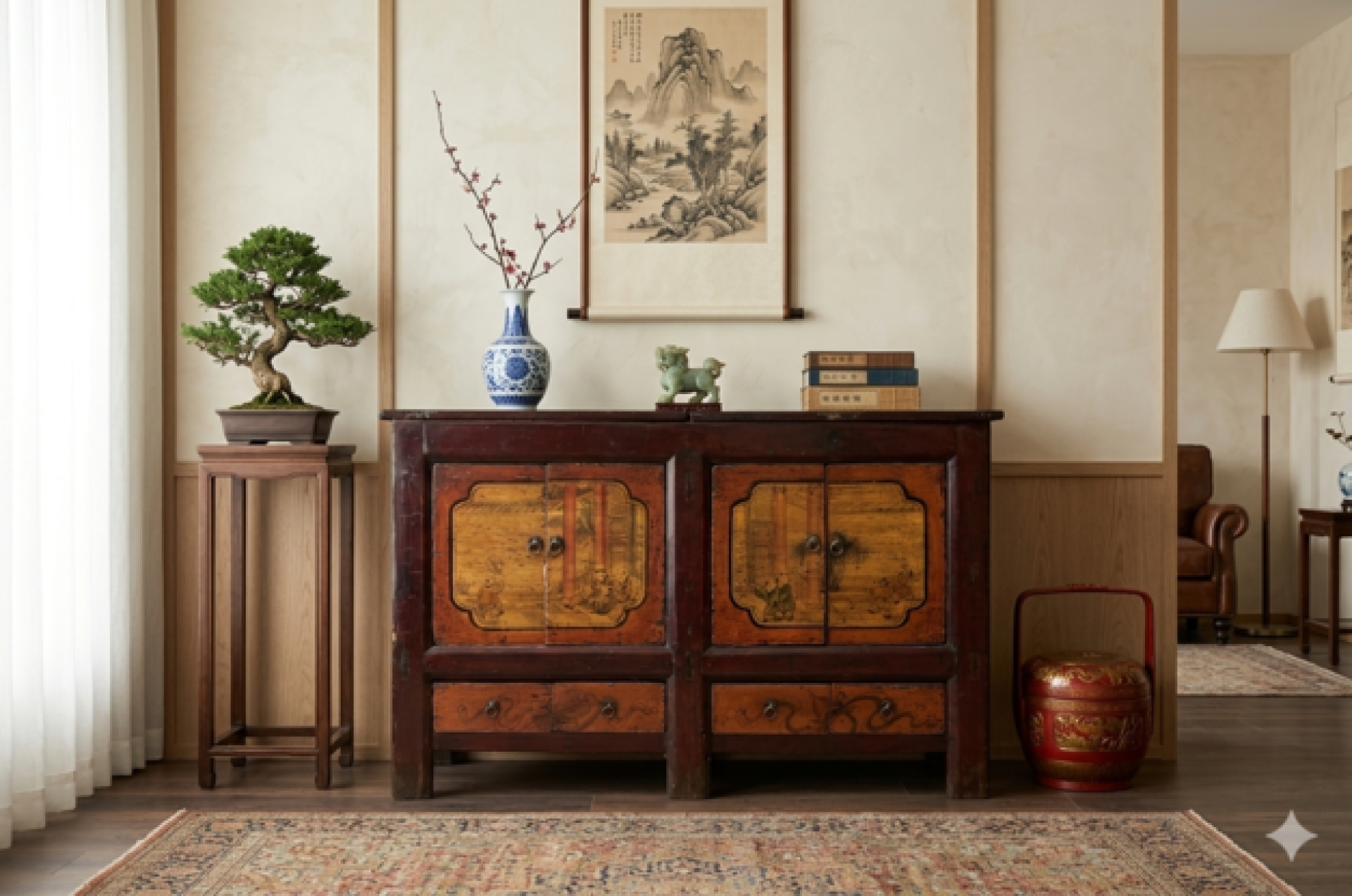
Entering the world of Chinese antique furniture is like stepping into a living history book where every curve and grain tells a story of dynastic grandeur. For expatriates and luxury homeowners in Thailand, these pieces represent more than just decor; they are soulful anchors that bring a sense of permanence and worldly prestige to modern villas and high-rise penthouses.
However, navigating the nuances of oriental heritage requires a discerning eye. This quick guide breaks down the essential pillars of Chinese antiques—from the secret of nail-free joinery to the hidden meanings in the carvings—helping you select the perfect masterpiece to elevate your luxury lifestyle.
The Essentials of Oriental Mastery
To appreciate a piece of Chinese heritage, one must look beyond the surface. Authentic antiques from the Ming and Qing dynasties were built on a foundation of architectural brilliance and philosophical depth.
1. The Magic of Mortise and Tenon Joinery
The hallmark of true Chinese woodworking is the complete absence of metal nails or synthetic glues.
Engineering: Master artisans used complex, interlocking joints known as mortise and tenon.
The Benefit: This allow the wood to "breathe"—naturally expanding and contracting with Thailand’s tropical humidity. This is why these centuries-old pieces remain structurally perfect today.
2. The Distinction of Dynasties
Understanding the two primary eras is key to matching your personal aesthetic:
Ming Dynasty (1368–1644): Characterized by "Sophisticated Minimalism." Think clean lines, sweeping "horseshoe" curves, and a focus on the natural beauty of the wood. Perfect for modern, Zen-inspired interiors.
Qing Dynasty (1644–1912): Known for "Grand Opulence." These pieces feature heavy proportions, intricate relief carvings, and vibrant lacquers. They serve as magnificent focal points in grand foyers or formal dining rooms.
3. Noble Materials: The Choice of Woods
The value of an antique is deeply tied to the timber.
Hardwoods: Look for Northern Elm (Jumu), Walnut, or Cypress. These woods are prized for their density and the stunning, wave-like grain patterns that provide an organic warmth to contemporary spaces.
4. Reading the Symbols
Every carving is a silent blessing bestowed upon the home.
The Peony: Represents wealth and honor.
The Dragon: A symbol of supreme power and protection.
The Endless Knot: Signifies longevity and eternal harmony.
5. Integrating History into Modern Luxury
The secret to styling Chinese antiques is contrast. Do not feel the need to create a "themed" room. Instead, place a vibrant, red-lacquered wedding cabinet against a minimalist gray wall, or use an ancient merchant's trunk as a coffee table in a glass-walled living room. The juxtaposition of the ancient and the avant-garde is the ultimate expression of sophisticated interior design.
However, navigating the nuances of oriental heritage requires a discerning eye. This quick guide breaks down the essential pillars of Chinese antiques—from the secret of nail-free joinery to the hidden meanings in the carvings—helping you select the perfect masterpiece to elevate your luxury lifestyle.
The Essentials of Oriental Mastery
To appreciate a piece of Chinese heritage, one must look beyond the surface. Authentic antiques from the Ming and Qing dynasties were built on a foundation of architectural brilliance and philosophical depth.
1. The Magic of Mortise and Tenon Joinery
The hallmark of true Chinese woodworking is the complete absence of metal nails or synthetic glues.
Engineering: Master artisans used complex, interlocking joints known as mortise and tenon.
The Benefit: This allow the wood to "breathe"—naturally expanding and contracting with Thailand’s tropical humidity. This is why these centuries-old pieces remain structurally perfect today.
2. The Distinction of Dynasties
Understanding the two primary eras is key to matching your personal aesthetic:
Ming Dynasty (1368–1644): Characterized by "Sophisticated Minimalism." Think clean lines, sweeping "horseshoe" curves, and a focus on the natural beauty of the wood. Perfect for modern, Zen-inspired interiors.
Qing Dynasty (1644–1912): Known for "Grand Opulence." These pieces feature heavy proportions, intricate relief carvings, and vibrant lacquers. They serve as magnificent focal points in grand foyers or formal dining rooms.
3. Noble Materials: The Choice of Woods
The value of an antique is deeply tied to the timber.
Hardwoods: Look for Northern Elm (Jumu), Walnut, or Cypress. These woods are prized for their density and the stunning, wave-like grain patterns that provide an organic warmth to contemporary spaces.
4. Reading the Symbols
Every carving is a silent blessing bestowed upon the home.
The Peony: Represents wealth and honor.
The Dragon: A symbol of supreme power and protection.
The Endless Knot: Signifies longevity and eternal harmony.
5. Integrating History into Modern Luxury
The secret to styling Chinese antiques is contrast. Do not feel the need to create a "themed" room. Instead, place a vibrant, red-lacquered wedding cabinet against a minimalist gray wall, or use an ancient merchant's trunk as a coffee table in a glass-walled living room. The juxtaposition of the ancient and the avant-garde is the ultimate expression of sophisticated interior design.
Related Content
Let’s be honest: a home that looks like a 1:1 replica of a modern furniture catalog can feel a bit... sterile. It lacks a pulse. For the savvy homeowner in Bangkok or Phuket, the real magic happens in the "mix." Combining sleek, 21st-century lines with the architectural weight of Chinese antique furniture isn't just a design choice—it's a lifestyle statement.

It’s the hidden plague of modern luxury: The Sterile Space. You’ve invested in the finest Italian marble, the sleekest floor-to-ceiling glass, and a minimalist kitchen that looks like it belongs in a sci-fi film. Yet, when you open your front door after a long day in the frantic heat of Bangkok, the air feels... dead.
The enduring charm of Chinese Antique Furniture has transcended centuries, captivating interior designers, affluent homeowners, and discerning collectors across the globe. What was once exclusively the domain of Eastern emperors and nobility has evolved into an ultimate symbol of cosmopolitan luxury. Today, stepping into a well-appointed residence in London, New York, or Bangkok often reveals the striking juxtaposition of minimalist modern architecture balanced by the profound historical weight of these heritage pieces.
