How Chinese Antique Furniture Works in Quiet Luxury Interiors
1723 Views

What Quiet Luxury Really Means in an Interior
Quiet luxury is often described through materials, but its real character is created by restraint.
A quiet luxury interior does not need to announce its quality. Instead, it allows proportion, craftsmanship, texture, light and space to carry the visual conversation. There may be fewer objects, but each one has a reason for being there.
This is where Chinese antique furniture can have a particularly compelling role.
A Chinese antique cabinet placed against a calm wall can provide more visual character than a collection of decorative accessories. A console table can give an entrance a sense of structure. A sideboard can anchor a dining room while quietly introducing contrast between traditional craftsmanship and contemporary architecture.
The furniture does not need to dominate the room. In a well-composed interior, it simply gives the eye somewhere meaningful to rest.
That distinction matters. Quiet luxury is not minimalism for its own sake, nor is it a recreation of a historical interior. It is the careful editing of a space until the remaining elements feel intentional.
Why Chinese Antique Furniture Fits the Language of Quiet Luxury
Patina, texture and the beauty of restraint
One of the strongest qualities of antique furniture is visual depth.
Surfaces can carry variations in colour, texture and finish that make them more interesting as they are observed closely. Small irregularities can become part of the character of a piece, particularly when the surrounding interior is deliberately restrained.
Against pale walls, natural stone, soft upholstery or contemporary architectural surfaces, the presence of an antique wooden piece can feel almost architectural.
Its appeal is not necessarily decorative. It can come from the relationship between surface and space.
This is particularly effective in luxury interiors where the palette may already be carefully controlled. Instead of adding another colour or pattern, an antique piece introduces texture and visual weight.
The result can feel richer without becoming busier.
Strong form without visual excess
Chinese furniture can also bring clarity through form.
A well-proportioned cabinet has a strong presence because of its vertical or horizontal structure. A console table can define an entrance through its silhouette. A sideboard can create a visual anchor beneath artwork or along a long wall.
These pieces do not require an entire room to follow the same aesthetic language.
That is one of their advantages.
A contemporary Bangkok residence, for example, may combine large windows, stone flooring, modern lighting and restrained upholstery. A Chinese antique cabinet can sit within that environment without requiring matching chairs, screens or decorative objects around it.
The contrast is what makes the arrangement feel deliberate.
How to Use Chinese Antique Furniture Without Making a Room Feel Traditional
The easiest way to make an antique piece feel contemporary is often to let it exist in a contemporary setting.
Let one exceptional piece establish the room
A common mistake is assuming that a room needs several related antique pieces before the furniture feels intentional.
In fact, one carefully selected piece can often do more.
Imagine an understated living room with generous circulation, neutral upholstery and a restrained material palette. Along one wall sits a Chinese antique cabinet.
The cabinet introduces a different visual language, but the rest of the room remains quiet.
Because there is space around it, the eye notices the furniture's proportions, surface and details. It becomes a point of character rather than another item competing for attention.
The same principle can work in an entrance hall, dining room, bedroom or private study.
The furniture becomes a statement through placement rather than decoration.
Create contrast with contemporary architecture
Chinese antique furniture becomes particularly interesting when placed beside modern architectural elements.
Smooth plaster can make a textured wooden surface more noticeable. A clean-lined sofa can emphasise the structure of an antique cabinet. Contemporary lighting can draw attention to the furniture without imitating its historical character.
This contrast prevents the room from becoming visually predictable.
The aim is not to make the contemporary elements look Chinese or the antique furniture look modern. Each should retain its own identity.
The sophistication comes from allowing the two languages to coexist.
Keep the surrounding palette quiet
When the furniture already has visual character, the surrounding elements do not need to compete.
Soft neutrals, natural materials, restrained textiles and carefully selected artwork can give an antique piece enough room to breathe.
This does not mean that every quiet luxury interior needs to be beige. Colour can be used with considerable confidence. The important point is that the overall composition remains controlled.
A richly toned Chinese antique cabinet against a muted wall may create enough contrast on its own.
Adding several more strong colours, decorative motifs and accessories may weaken the effect.
Choosing the Right Piece for a Quiet Luxury Interior
The starting point should be the room, not the furniture.
A beautiful piece can still feel wrong if its scale, proportion or position does not relate to the architecture around it.
Start with proportion, not decoration
Before considering carving, hardware or decorative detail, look at the dimensions of the space.
How long is the wall?
How high is the ceiling?
How much circulation space is required?
What will the furniture sit beside?
What can be seen from the entrance?
These questions are especially important in luxury condominiums and villas, where architecture can vary dramatically from one residence to another.
A substantial cabinet may have the presence required for a large open-plan living area, while a more restrained console table may be better suited to a narrower entrance.
The right piece should feel as though it belongs to the proportions of the room.
Match the furniture to the architecture
Quiet luxury depends heavily on relationships.
A Chinese antique sideboard beneath a large artwork can create a horizontal visual line that helps organise a dining room. A console table can transition naturally between an entrance and the main living space. A Chinese antique screen can help define a zone within an open-plan interior while retaining visual permeability.
The furniture does more than occupy floor space.
It can help organise how the room is experienced.
This is why interior designers and architects often begin with circulation, sightlines and proportion before selecting decorative details.
Consider function as part of beauty
Luxury does not have to mean purely decorative furniture.
A cabinet can provide useful storage while adding character to a room. A sideboard can serve a practical purpose in a dining or entertaining space. A console table can create a useful surface in an entrance or transitional area.
When an object is both beautiful and useful, its presence can feel more natural.
There is less need to justify it as decoration because it contributes to the way the room works.
This is particularly relevant to quiet luxury. The best pieces often feel integrated into everyday life rather than positioned simply to be admired.
Creating a Quietly Luxurious Room Around Chinese Antique Furniture
Balance old and contemporary
The most successful combinations rarely attempt to recreate a historical setting.
Instead, they allow different periods and design languages to meet.
A Chinese antique cabinet can sit beside contemporary seating. An antique console table can share an entrance with modern lighting. A traditional screen can create separation within an otherwise clean-lined interior.
The contrast gives the room personality.
It also prevents the antique furniture from becoming predictable.
When every surrounding element attempts to match the furniture, the result can begin to feel staged. When the surrounding architecture and furnishings are allowed to remain contemporary, the antique piece feels more authentic to the life of the home.
Use negative space deliberately
Space around furniture is part of the composition.
A significant antique piece often benefits from being given enough distance from nearby objects for its proportions to be understood.
This is particularly important with cabinets and screens. Their scale can be appreciated more clearly when they are not surrounded by excessive decoration.
Negative space also improves circulation and sightlines.
In a luxury interior, an empty area is not necessarily unfinished. It can be an intentional pause.
The same principle applies to walls. One cabinet with generous wall space around it may create greater impact than several smaller pieces placed close together.
Build atmosphere through materials
Quiet luxury becomes more convincing when different materials are allowed to interact.
The warmth of wood can sit against stone. Textured upholstery can soften a structured cabinet. Metal lighting can introduce a subtle contemporary note. Natural daylight can reveal variations in surface that artificial lighting might flatten.
The objective is not to create a catalogue of expensive materials.
It is to create tactile and visual relationships.
Chinese antique furniture can contribute strongly to this because wood introduces a different sensory quality from polished stone, glass or painted architectural surfaces.
That contrast helps a modern room feel lived in rather than overly controlled.
Allow the furniture to reveal its character gradually
Some furniture becomes more interesting the longer it is observed.
From a distance, the overall silhouette may be what first catches the eye. Closer inspection reveals surface variation, hardware, construction details or subtle decorative elements.
A quiet luxury interior gives people the opportunity to notice those details.
This is one reason restraint is so effective.
When a room is crowded with objects, there is little visual space for individual pieces to speak. When the composition is edited, a cabinet or console can be appreciated almost like an architectural detail.
Quiet Luxury Is About What You Choose to Leave Out
The most sophisticated interiors are often defined as much by omission as by selection.
There is no requirement to fill every wall, coordinate every piece of furniture or make an entire home follow one historical style.
Chinese antique furniture can work beautifully within a quiet luxury interior precisely because it does not need to dictate everything around it.
One cabinet can introduce character.
One console table can change the feeling of an entrance.
One sideboard can give a dining room a stronger sense of identity.
One screen can create definition within an open plan.
The key is to select with intention.
For homeowners in Bangkok, this approach can be especially relevant to contemporary condominiums, villas and larger residences where modern architecture provides a strong foundation but can sometimes benefit from warmer, more individual elements.
A carefully chosen Chinese antique piece can create that connection without turning the interior into a themed space.
For designers and architects, the same principle offers another way to work with contrast. Traditional furniture can become part of a contemporary composition, providing texture, proportion and character while allowing the architecture to remain distinctly modern.
Ultimately, quiet luxury is not about making a room look expensive.
It is about making the room feel considered.
Chinese antique furniture contributes to that feeling when its scale is right, its surroundings are edited and its character is allowed to remain visible. The result is an interior that feels personal rather than formulaic—where history, craftsmanship and contemporary living can occupy the same space naturally.
At Chinese House, the collection can be considered not simply as individual pieces of furniture, but in relation to the architecture and atmosphere of a home. For a residence, condominium, villa or hospitality project, the right piece can provide the point of character around which a quieter interior begins to take shape.
FAQ Section:
Does Chinese antique furniture work in a modern quiet luxury interior?
Yes. Its strongest role is often as a contrasting element within a contemporary setting. A cabinet, console table, sideboard or screen can introduce warmth, texture and character without requiring the rest of the room to follow a traditional Chinese style.
How can I style Chinese antique furniture without making a room look traditionally Chinese?
Keep the surrounding architecture and furnishings contemporary. Use considered negative space, restrained materials and modern lighting, and avoid filling the room with decorative pieces that repeat the same historical language.
What type of Chinese antique furniture works best as a statement piece?
The right choice depends on the room's scale and function. Cabinets can anchor larger walls, console tables can structure entrances, sideboards can define dining spaces, and screens can help organise open-plan areas. Proportion should come before decorative detail.
Quiet luxury is often described through materials, but its real character is created by restraint.
A quiet luxury interior does not need to announce its quality. Instead, it allows proportion, craftsmanship, texture, light and space to carry the visual conversation. There may be fewer objects, but each one has a reason for being there.
This is where Chinese antique furniture can have a particularly compelling role.
A Chinese antique cabinet placed against a calm wall can provide more visual character than a collection of decorative accessories. A console table can give an entrance a sense of structure. A sideboard can anchor a dining room while quietly introducing contrast between traditional craftsmanship and contemporary architecture.
The furniture does not need to dominate the room. In a well-composed interior, it simply gives the eye somewhere meaningful to rest.
That distinction matters. Quiet luxury is not minimalism for its own sake, nor is it a recreation of a historical interior. It is the careful editing of a space until the remaining elements feel intentional.
Why Chinese Antique Furniture Fits the Language of Quiet Luxury
Patina, texture and the beauty of restraint
One of the strongest qualities of antique furniture is visual depth.
Surfaces can carry variations in colour, texture and finish that make them more interesting as they are observed closely. Small irregularities can become part of the character of a piece, particularly when the surrounding interior is deliberately restrained.
Against pale walls, natural stone, soft upholstery or contemporary architectural surfaces, the presence of an antique wooden piece can feel almost architectural.
Its appeal is not necessarily decorative. It can come from the relationship between surface and space.
This is particularly effective in luxury interiors where the palette may already be carefully controlled. Instead of adding another colour or pattern, an antique piece introduces texture and visual weight.
The result can feel richer without becoming busier.
Strong form without visual excess
Chinese furniture can also bring clarity through form.
A well-proportioned cabinet has a strong presence because of its vertical or horizontal structure. A console table can define an entrance through its silhouette. A sideboard can create a visual anchor beneath artwork or along a long wall.
These pieces do not require an entire room to follow the same aesthetic language.
That is one of their advantages.
A contemporary Bangkok residence, for example, may combine large windows, stone flooring, modern lighting and restrained upholstery. A Chinese antique cabinet can sit within that environment without requiring matching chairs, screens or decorative objects around it.
The contrast is what makes the arrangement feel deliberate.
How to Use Chinese Antique Furniture Without Making a Room Feel Traditional
The easiest way to make an antique piece feel contemporary is often to let it exist in a contemporary setting.
Let one exceptional piece establish the room
A common mistake is assuming that a room needs several related antique pieces before the furniture feels intentional.
In fact, one carefully selected piece can often do more.
Imagine an understated living room with generous circulation, neutral upholstery and a restrained material palette. Along one wall sits a Chinese antique cabinet.
The cabinet introduces a different visual language, but the rest of the room remains quiet.
Because there is space around it, the eye notices the furniture's proportions, surface and details. It becomes a point of character rather than another item competing for attention.
The same principle can work in an entrance hall, dining room, bedroom or private study.
The furniture becomes a statement through placement rather than decoration.
Create contrast with contemporary architecture
Chinese antique furniture becomes particularly interesting when placed beside modern architectural elements.
Smooth plaster can make a textured wooden surface more noticeable. A clean-lined sofa can emphasise the structure of an antique cabinet. Contemporary lighting can draw attention to the furniture without imitating its historical character.
This contrast prevents the room from becoming visually predictable.
The aim is not to make the contemporary elements look Chinese or the antique furniture look modern. Each should retain its own identity.
The sophistication comes from allowing the two languages to coexist.
Keep the surrounding palette quiet
When the furniture already has visual character, the surrounding elements do not need to compete.
Soft neutrals, natural materials, restrained textiles and carefully selected artwork can give an antique piece enough room to breathe.
This does not mean that every quiet luxury interior needs to be beige. Colour can be used with considerable confidence. The important point is that the overall composition remains controlled.
A richly toned Chinese antique cabinet against a muted wall may create enough contrast on its own.
Adding several more strong colours, decorative motifs and accessories may weaken the effect.
Choosing the Right Piece for a Quiet Luxury Interior
The starting point should be the room, not the furniture.
A beautiful piece can still feel wrong if its scale, proportion or position does not relate to the architecture around it.
Start with proportion, not decoration
Before considering carving, hardware or decorative detail, look at the dimensions of the space.
How long is the wall?
How high is the ceiling?
How much circulation space is required?
What will the furniture sit beside?
What can be seen from the entrance?
These questions are especially important in luxury condominiums and villas, where architecture can vary dramatically from one residence to another.
A substantial cabinet may have the presence required for a large open-plan living area, while a more restrained console table may be better suited to a narrower entrance.
The right piece should feel as though it belongs to the proportions of the room.
Match the furniture to the architecture
Quiet luxury depends heavily on relationships.
A Chinese antique sideboard beneath a large artwork can create a horizontal visual line that helps organise a dining room. A console table can transition naturally between an entrance and the main living space. A Chinese antique screen can help define a zone within an open-plan interior while retaining visual permeability.
The furniture does more than occupy floor space.
It can help organise how the room is experienced.
This is why interior designers and architects often begin with circulation, sightlines and proportion before selecting decorative details.
Consider function as part of beauty
Luxury does not have to mean purely decorative furniture.
A cabinet can provide useful storage while adding character to a room. A sideboard can serve a practical purpose in a dining or entertaining space. A console table can create a useful surface in an entrance or transitional area.
When an object is both beautiful and useful, its presence can feel more natural.
There is less need to justify it as decoration because it contributes to the way the room works.
This is particularly relevant to quiet luxury. The best pieces often feel integrated into everyday life rather than positioned simply to be admired.
Creating a Quietly Luxurious Room Around Chinese Antique Furniture
Balance old and contemporary
The most successful combinations rarely attempt to recreate a historical setting.
Instead, they allow different periods and design languages to meet.
A Chinese antique cabinet can sit beside contemporary seating. An antique console table can share an entrance with modern lighting. A traditional screen can create separation within an otherwise clean-lined interior.
The contrast gives the room personality.
It also prevents the antique furniture from becoming predictable.
When every surrounding element attempts to match the furniture, the result can begin to feel staged. When the surrounding architecture and furnishings are allowed to remain contemporary, the antique piece feels more authentic to the life of the home.
Use negative space deliberately
Space around furniture is part of the composition.
A significant antique piece often benefits from being given enough distance from nearby objects for its proportions to be understood.
This is particularly important with cabinets and screens. Their scale can be appreciated more clearly when they are not surrounded by excessive decoration.
Negative space also improves circulation and sightlines.
In a luxury interior, an empty area is not necessarily unfinished. It can be an intentional pause.
The same principle applies to walls. One cabinet with generous wall space around it may create greater impact than several smaller pieces placed close together.
Build atmosphere through materials
Quiet luxury becomes more convincing when different materials are allowed to interact.
The warmth of wood can sit against stone. Textured upholstery can soften a structured cabinet. Metal lighting can introduce a subtle contemporary note. Natural daylight can reveal variations in surface that artificial lighting might flatten.
The objective is not to create a catalogue of expensive materials.
It is to create tactile and visual relationships.
Chinese antique furniture can contribute strongly to this because wood introduces a different sensory quality from polished stone, glass or painted architectural surfaces.
That contrast helps a modern room feel lived in rather than overly controlled.
Allow the furniture to reveal its character gradually
Some furniture becomes more interesting the longer it is observed.
From a distance, the overall silhouette may be what first catches the eye. Closer inspection reveals surface variation, hardware, construction details or subtle decorative elements.
A quiet luxury interior gives people the opportunity to notice those details.
This is one reason restraint is so effective.
When a room is crowded with objects, there is little visual space for individual pieces to speak. When the composition is edited, a cabinet or console can be appreciated almost like an architectural detail.
Quiet Luxury Is About What You Choose to Leave Out
The most sophisticated interiors are often defined as much by omission as by selection.
There is no requirement to fill every wall, coordinate every piece of furniture or make an entire home follow one historical style.
Chinese antique furniture can work beautifully within a quiet luxury interior precisely because it does not need to dictate everything around it.
One cabinet can introduce character.
One console table can change the feeling of an entrance.
One sideboard can give a dining room a stronger sense of identity.
One screen can create definition within an open plan.
The key is to select with intention.
For homeowners in Bangkok, this approach can be especially relevant to contemporary condominiums, villas and larger residences where modern architecture provides a strong foundation but can sometimes benefit from warmer, more individual elements.
A carefully chosen Chinese antique piece can create that connection without turning the interior into a themed space.
For designers and architects, the same principle offers another way to work with contrast. Traditional furniture can become part of a contemporary composition, providing texture, proportion and character while allowing the architecture to remain distinctly modern.
Ultimately, quiet luxury is not about making a room look expensive.
It is about making the room feel considered.
Chinese antique furniture contributes to that feeling when its scale is right, its surroundings are edited and its character is allowed to remain visible. The result is an interior that feels personal rather than formulaic—where history, craftsmanship and contemporary living can occupy the same space naturally.
At Chinese House, the collection can be considered not simply as individual pieces of furniture, but in relation to the architecture and atmosphere of a home. For a residence, condominium, villa or hospitality project, the right piece can provide the point of character around which a quieter interior begins to take shape.
FAQ Section:
Does Chinese antique furniture work in a modern quiet luxury interior?
Yes. Its strongest role is often as a contrasting element within a contemporary setting. A cabinet, console table, sideboard or screen can introduce warmth, texture and character without requiring the rest of the room to follow a traditional Chinese style.
How can I style Chinese antique furniture without making a room look traditionally Chinese?
Keep the surrounding architecture and furnishings contemporary. Use considered negative space, restrained materials and modern lighting, and avoid filling the room with decorative pieces that repeat the same historical language.
What type of Chinese antique furniture works best as a statement piece?
The right choice depends on the room's scale and function. Cabinets can anchor larger walls, console tables can structure entrances, sideboards can define dining spaces, and screens can help organise open-plan areas. Proportion should come before decorative detail.
Related Content
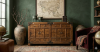
A well-chosen piece of Chinese antique furniture can change the atmosphere of a modern interior without changing its language. Rather than making a contemporary home feel traditionally decorated, it can introduce depth, texture and a sense of individuality.
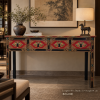
A Chinese Antique Console Table can change the character of a room with remarkable subtlety. Its proportions, surface and presence can give an entryway, living room or quiet corridor a sense of structure without making the furniture feel imposing. Choosing the right piece, however, is less about finding the most decorative table and more about understanding how its form will live within the architecture around it.
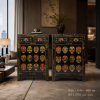
Chinese Antique Furniture possesses a rare ability to transform a home beyond its physical function. More than decorative objects, these pieces embody centuries of craftsmanship, cultural philosophy, and refined living. In today's luxury residences—from Bangkok penthouses and riverside condominiums to expansive pool villas—Chinese antique furniture introduces a sense of permanence and authenticity that contemporary furnishings often struggle to achieve.
