Why Chinese Antique Furniture Works Across Different Interior Styles

What makes this possible is not a particular decorating theme, but the relationship between form, material, proportion and space.
The most successful interiors do not ask Chinese antique furniture to transform the entire room into a Chinese interior. Instead, they allow the furniture to become part of a larger architectural composition—one where traditional craftsmanship and contemporary surroundings can exist naturally together.
The question, then, is not whether Chinese antique furniture matches a particular interior style. It is how the piece relates to the room around it.
Start with the Architecture
Before choosing furniture, look at the architecture.
The proportions of the room, ceiling height, wall widths, flooring, natural light and circulation all influence how a Chinese antique piece will feel once it is placed in the space. The same cabinet can appear substantial in one room and understated in another.
Contemporary Architecture
Clean architectural lines can create an especially interesting contrast with Chinese antique furniture.
Against smooth walls, large expanses of glass, stone flooring or carefully controlled lighting, the surface character of an antique piece becomes more visible. The contrast does not need to be dramatic. A restrained room can give a single cabinet, console table or sideboard enough space to be noticed without competing with other objects.
Here, the furniture provides visual variation while the architecture provides the calm surrounding structure.
Minimalist Interiors
Minimalist spaces require a slightly different approach.
Rather than introducing several decorative elements, consider using fewer pieces and allowing generous negative space around them. The simplicity of the room can make the grain, surface, hardware, construction and proportions of Chinese antique furniture more apparent.
The objective is not to decorate a minimalist interior with antiques. It is to give one carefully chosen piece enough space to become part of the architecture.
For a deeper exploration of this approach, see How Chinese Antique Furniture Adds Character to Minimalist Interiors.
Traditional-Inspired Interiors
In a traditional or heritage-inspired interior, Chinese antique furniture can have a closer visual relationship with the surrounding architecture and decorative elements.
This does not mean that every object needs to share the same historical reference. A more considered approach is to connect pieces through proportion, material, colour and visual rhythm.
The room should feel coordinated rather than staged.
Open-Plan and Eclectic Homes
Open-plan interiors create another opportunity.
A Chinese antique screen, sideboard or console table can help establish visual boundaries between living, dining and transitional areas without closing the space completely. In an eclectic interior, individual pieces from different periods can similarly coexist when their scale and visual weight are carefully balanced.
The furniture becomes part of the spatial planning rather than simply an object placed inside the room.
Mixing Chinese Antique Furniture with Modern Materials
One of the most effective ways to integrate Chinese antique furniture into a contemporary home is through material contrast.
The relationship between old and new becomes easier to understand when the surrounding materials are allowed to remain distinctly contemporary.
Timber and Stone
Warm timber furniture can create a natural counterpoint to stone floors, stone walls or large architectural surfaces.
The contrast works through texture and temperature as much as colour. A finely finished wooden surface beside cool stone can give the room greater visual variation without requiring additional decoration.
Glass and Metal
Glass can provide visual lightness around a substantial piece of furniture.
A cabinet placed near glazing, for example, can retain its physical presence while allowing the surrounding architecture to remain visually open. Metal details can introduce another contemporary element, particularly when used in lighting, hardware or architectural features.
The aim is not to make the antique furniture look modern. The contrast allows both materials to remain recognisable.
Concrete and Upholstery
Concrete and other restrained architectural finishes can provide an equally useful setting for traditional furniture.
Where concrete introduces hardness and visual simplicity, timber can add warmth and surface character. Upholstered furniture can create another layer of softness, helping traditional and contemporary pieces occupy the same room without requiring them to match.
Think in Relationships, Not Matching
Successful combinations rarely depend on finding identical finishes.
Instead, consider relationships between:
Material
Colour
Texture
Shape
Scale
Visual weight
A room can contain several different materials and still feel coherent when these relationships are carefully controlled.
Proportion Creates Harmony
Perhaps the most important consideration when combining Chinese antique furniture with another interior style is proportion.
A beautiful piece can feel misplaced if its scale is wrong for the room. Conversely, an appropriately proportioned piece can feel natural even when its design language is very different from its surroundings.
Furniture Scale and Room Scale
Begin with the overall size of the room.
A substantial cabinet may have the presence required by a large living room or high-ceilinged space, while a smaller interior may benefit from a console table or more compact piece that preserves circulation.
Furniture should be considered in relation to the room rather than measured only by its own dimensions.
Ceiling Height and Wall Width
Vertical proportions are particularly important with cabinets and tall furniture.
A tall cabinet placed against a low ceiling can dominate the composition, while the same piece may feel balanced within a room with greater vertical volume. Similarly, a narrow piece against a very wide wall can appear visually disconnected unless other elements help establish balance.
Negative Space
Space around furniture is part of the design.
Leaving room above, beside and in front of a piece can make it feel deliberate rather than crowded. This is particularly important in contemporary interiors, where empty space often carries as much visual weight as the objects themselves.
Balancing Visual Weight
Consider how the furniture interacts with everything around it.
A substantial cabinet might be balanced by lighter seating. A visually strong sideboard may require restraint elsewhere in the dining area. A screen may carry significant visual presence even though it occupies relatively little floor space.
These relationships are worth considering before purchase.
For a more practical discussion of dimensions, circulation and measurement, see Why Size Matters: Measuring Before Buying Antique Furniture.
How Chinese Antique Furniture Works Across Different Interior Styles
There is no single formula for introducing Chinese antique furniture into a home. Different architectural languages call for different degrees of contrast.
Contemporary
In contemporary interiors, contrast can be the central design tool.
Pair the traditional form of a Chinese antique cabinet, sideboard or console table with clean walls, modern lighting and restrained architectural detailing. The furniture becomes distinctive precisely because the surrounding environment is different.
The result can feel intentional without requiring decorative repetition.
Minimalist
In minimalist interiors, restraint matters more than quantity.
Choose fewer pieces and allow them room to breathe. Strong proportions, distinctive surfaces and functional forms can provide enough visual interest without filling the room with accessories.
The surrounding architecture should remain visible.
Eclectic
Eclectic interiors allow greater freedom, but they still benefit from discipline.
Different periods and styles can coexist when there is a connecting element—perhaps a shared material, a restrained colour palette, similar proportions or repeated geometric forms.
The objective is variety with coherence rather than collecting unrelated objects in one space.
Traditional and Heritage-Inspired
Here, Chinese antique furniture can participate more directly in the room's visual language.
Traditional materials, architectural details and decorative elements can create stronger connections between the furniture and its setting. Yet restraint remains useful. A room does not become more convincing simply because every surface references the same tradition.
Sometimes one carefully selected piece communicates more clearly than many.
One Piece or Several?
A room does not need a complete collection of Chinese antique furniture to have a strong sense of character.
The Impact of One Substantial Piece
A single cabinet, sideboard, console table or screen can establish a visual point of focus while the rest of the room remains contemporary.
This approach is particularly useful when working with existing furniture. Rather than replacing an entire interior, introduce one piece that adds a different material, shape or surface quality.
The contrast can be enough.
When Several Pieces Work Together
Several Chinese antique pieces can also work beautifully within one interior, provided they have a clear relationship.
Look for connections in scale, colour, material or function rather than trying to make every piece identical.
A room with several pieces should still have hierarchy. Some objects can lead visually while others support them.
Curating Rather Than Matching
Chinese antique furniture does not have to be purchased as a complete matching set.
A home can develop gradually, with individual pieces selected for particular rooms and purposes. A cabinet chosen for a living room may have a completely different form from a sideboard in the dining area, yet both can belong to the same overall interior because the architecture provides the common framework.
This approach makes the home feel considered rather than decorated according to a single formula.
Choosing the Right Furniture for the Interior
Once the architectural setting and proportions are understood, the choice of furniture becomes more straightforward.
Cabinets
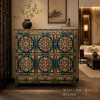
Chinese antique cabinets can provide both storage and a strong vertical presence.
Consider the available wall width, ceiling height, door clearances and circulation before selecting one. In a contemporary room, a cabinet can also introduce a concentrated area of warmth against larger architectural surfaces.
Sideboards
Chinese antique and reproduction sideboards can work naturally in dining rooms, living spaces and open-plan areas.
Their horizontal proportions can complement dining tables, seating arrangements and long architectural walls. Placement matters: allow enough space for doors, drawers and movement around the piece.
Console Tables
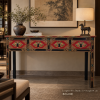
A console table can introduce Chinese antique furniture without occupying as much floor area as a large cabinet.
Entrance halls, corridors and living areas can all provide opportunities, particularly where the wall itself forms part of the composition.
Screens
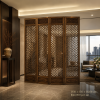
Chinese antique and reproduction screens can be particularly useful in open interiors.
Rather than functioning only as decoration, a screen can help establish a visual transition between areas while preserving a sense of openness. Consider sightlines, natural light and the direction of movement through the room.
Tables & Chairs
With tables and chairs, proportion becomes especially important because the furniture must function together.
Seat height, tabletop scale, circulation and the relationship to surrounding furniture all matter. A table should feel connected to the architecture while remaining comfortable and practical for everyday use.
Antique and Reproduction in Contemporary Interiors
Both Antique and Reproduction furniture can be integrated into contemporary interiors, although they represent different product classifications.
Antique refers to authentic antique furniture where the classification is supported by appropriate information.
Reproduction refers to newly made furniture based on traditional or classical Chinese designs.
The choice between them depends on the character, requirements and context of the interior. An antique piece may contribute individual surface character and signs of age, while a reproduction piece can provide a traditional form within a newly made object.
Neither requires a room to follow a purely historical style.
For a clearer explanation of the distinction, see Antique vs Reproduction Furniture: Understanding the Difference.
Let the Furniture Belong to the Room
The most successful use of Chinese antique furniture in contemporary interiors is rarely about recreating a historical Chinese room.
It is about finding a thoughtful relationship between the furniture, the architecture and the way the room is lived in.
Proportion determines whether a piece feels comfortable in its surroundings. Materials create contrast and connection. Negative space gives important pieces room to breathe. Architecture provides the framework in which traditional furniture can be understood from a contemporary perspective.
Sometimes that relationship is created through one substantial cabinet. In another room, it may be a sideboard beside a modern dining table, a console against a quiet architectural wall, or a screen defining an open-plan space.
The possibilities are broad because the furniture does not need to dictate the entire interior.
At Chinese House, exploring these relationships begins with looking beyond the individual piece—to its scale, setting, material and role within the home. The right Chinese antique furniture can become part of an interior that feels distinctly its own.
FAQ
Can Chinese antique furniture work in a modern home?
Yes. Contemporary architecture can provide a restrained setting in which the form, material and surface character of Chinese antique furniture become distinctive. The key considerations are proportion, placement, material relationships and negative space.
Does a home need traditional Chinese décor to use Chinese antique furniture?
No. A Chinese antique cabinet, sideboard, console table or screen can be integrated into contemporary, minimalist, eclectic or traditional-inspired interiors. The surrounding architecture determines how strongly the furniture should contrast or connect with its setting.
How many Chinese antique pieces should be used in one room?
There is no fixed number. One substantial piece can establish character, while several pieces can work when their scale, colour, material and visual weight are coordinated. The important consideration is the overall composition rather than the number of pieces.
Related Contents
Our Furniture Categories
How Chinese Antique Furniture Works in Quiet Luxury Interiors