Can Antique Furniture Increase a Home's Perceived Luxury?
79 Views

What Creates the Feeling of Luxury Inside a Home?
Luxury Is About Character, Not Cost
The most memorable interiors rarely feel as though everything was purchased at the same time from a single showroom. Instead, they possess individuality. Every piece appears intentionally selected, creating a sense of authenticity that cannot be achieved through uniformity.
Luxury is often recognised through restraint. A beautifully proportioned room with carefully edited furnishings generally appears more sophisticated than one crowded with expensive objects competing for attention.
This is why homeowners and interior designers increasingly seek furniture with history, craftsmanship, and timeless appeal rather than simply following current trends.
The Role of Statement Furniture
One extraordinary cabinet, console, or scholar's chest can become the visual anchor of an entire interior.
Imagine entering a modern living room finished with limestone flooring, warm oak wall panels, and soft linen upholstery. The space feels elegant, but introducing a beautifully aged Chinese antique cabinet immediately creates depth. The contrast between contemporary architecture and centuries-old craftsmanship gives the room personality.
This approach has become increasingly popular in Bangkok's luxury condominiums, executive residences, and boutique hospitality spaces, where designers use antique furniture to soften modern interiors without overwhelming them.
Why Antique Furniture Naturally Feels More Luxurious
Craftsmanship That Modern Production Rarely Matches
One of the defining characteristics of traditional Chinese furniture is its extraordinary craftsmanship.
Furniture produced during the Ming Dynasty became renowned for elegant proportions, refined simplicity, and sophisticated woodworking techniques. Rather than depending heavily on nails or metal hardware, many pieces were constructed using mortise-and-tenon joinery, an ingenious system that locks wooden components together with exceptional precision.
This method required remarkable skill from master craftsmen and allowed furniture to remain durable for generations while accommodating the natural expansion and contraction of wood.
Even today, these construction methods are admired by furniture makers worldwide for their strength, balance, and longevity.
Materials That Become More Beautiful Over Time
Exceptional craftsmanship deserves exceptional materials.
Historically, Chinese master craftsmen selected woods for both their beauty and performance. Among the most celebrated are:
Huanghuali, prized for its rich grain, warm golden-brown colour, and elegant natural figure.
Zitan, valued for its remarkable density, fine texture, and deep colour that gradually develops greater richness with age.
Elm wood, appreciated for its durability, expressive grain, and versatility in traditional furniture making.
Unlike synthetic materials that often deteriorate with use, quality hardwood develops a natural patina through decades of careful handling. Small variations in colour, texture, and surface sheen become visual evidence of time rather than signs of deterioration.
That quiet maturity is one reason antique furniture often feels more luxurious than brand-new pieces.
History Creates Emotional Value That New Furniture Cannot Replicate
Every Piece Carries a Story
Luxury is as much emotional as it is visual.
An antique cabinet represents more than storage. A console table offers more than a surface for display. Each piece reflects generations of craftsmanship, cultural traditions, and artistic values that continue to resonate today.
Although homeowners may not know the complete history of every individual piece, they immediately recognise authenticity. Genuine age creates a depth that cannot be manufactured.
This emotional connection transforms furniture into conversation pieces, adding meaning that extends far beyond function.
Classical Chinese Design Principles
Classical Chinese furniture is admired not only because it is old, but because it follows enduring design principles.
Scholar cabinets, elegant proportions, balanced symmetry, and restrained ornamentation reflect centuries of refinement. During the Qing Dynasty, furniture design became increasingly elaborate while still maintaining exceptional craftsmanship.
Traditional lacquer craftsmanship further enhanced many pieces by protecting the wood while adding visual richness and depth.
These historical traditions continue to inspire contemporary luxury interiors because they emphasise harmony, proportion, and permanence rather than passing fashion.
How Designers Use Antique Furniture in Modern Luxury Homes
Creating Contrast Between Old and New
Successful luxury interiors rarely imitate historical rooms.
Instead, designers create dialogue between contemporary architecture and antique furniture.
A weathered Chinese console positioned against a wall of travertine creates warmth.
An antique cabinet beside minimalist lighting introduces texture.
A centuries-inspired sideboard paired with modern artwork allows each element to highlight the other.
This thoughtful contrast prevents interiors from feeling either overly traditional or excessively minimalist.
Luxury Spaces That Benefit Most
Chinese antique furniture adapts surprisingly well to many contemporary environments, including:
Luxury Bangkok condominiums
Modern penthouses
Private pool villas
Boutique hospitality spaces
Executive offices
Refined dining rooms
Elegant entrance halls
Rather than dominating these interiors, antique furniture often provides balance by introducing warmth, craftsmanship, and individuality.
Does Antique Furniture Actually Increase Perceived Property Value?
Perceived Luxury and Market Value Are Different
Antique furniture should not be viewed as a guaranteed way to increase a property's sale price. Market value depends on many factors, including location, condition, and buyer demand.
However, it can significantly enhance a home's perceived luxury.
Properties that present thoughtfully curated interiors often leave stronger emotional impressions during private viewings, professional photography, and architectural publications. Buyers frequently remember homes that feel distinctive rather than simply expensive.
The furniture becomes part of the story the property tells.
Investing in Timeless Design
Interior trends change quickly.
Colour palettes evolve. Materials become fashionable before gradually fading. Decorative styles cycle through popularity.
Quality antique furniture remains remarkably adaptable because it is rooted in craftsmanship rather than fashion.
Instead of replacing furnishings every few years, homeowners can build interiors around timeless pieces that continue to complement evolving design styles for decades.
This long-term perspective often produces interiors that feel both refined and enduring.
Choosing Antique Furniture That Elevates Rather Than Overwhelms
Begin with One Signature Piece
Luxury interiors rarely require large collections of antiques.
One carefully selected statement piece often creates more impact than an entire room filled with historical furniture.
Excellent starting choices include:
Antique cabinets
Console tables
Scholar cabinets
Chinese partitions
Sideboards
These pieces naturally attract attention while allowing surrounding furnishings to remain understated.
Quality Over Quantity
The most elegant interiors embrace restraint.
When selecting antique furniture, consider scale, proportion, surrounding materials, and available natural light.
Allow each piece enough visual space to be appreciated. Pair richly textured hardwood with calm architectural finishes such as natural stone, linen, oak, bronze, or polished plaster.
The objective is not to recreate an ancient interior, but to create a sophisticated conversation between heritage craftsmanship and contemporary living.
Conclusion
Luxury cannot be measured solely by price tags or square metres. It is created through atmosphere, authenticity, and thoughtful design decisions.
Chinese antique furniture brings together exceptional craftsmanship, beautiful natural materials, and centuries of artistic tradition. Whether inspired by the elegant proportions of the Ming Dynasty, the refined detailing of the Qing Dynasty, or the precision of mortise-and-tenon joinery, these pieces introduce a depth that modern furniture rarely achieves.
In today's luxury homes, one beautifully chosen antique cabinet or console can transform an interior from visually attractive to genuinely unforgettable.
Since 1990, Chinese House has helped homeowners, interior designers, and collectors discover authentic Chinese antique furniture alongside masterfully crafted reproductions and professional restoration expertise. For those seeking interiors with lasting elegance rather than temporary trends, carefully selected antique furniture offers an enduring foundation for sophisticated living.
Frequently Asked Questions
Can antique furniture work in modern homes?
Absolutely. Antique furniture often creates the greatest impact when paired with contemporary architecture and minimalist interiors. The contrast highlights both the historical craftsmanship and the clean modern surroundings.
Which Chinese antique furniture pieces make the biggest visual impact?
Large cabinets, scholar cabinets, console tables, sideboards, and decorative partitions are among the most effective statement pieces because they combine functionality with strong architectural presence.
How can I style antique furniture without making my home feel traditional?
Keep surrounding materials simple. Neutral walls, natural stone, timber flooring, linen fabrics, and modern lighting allow antique furniture to become the focal point while maintaining a fresh, contemporary atmosphere.
Luxury Is About Character, Not Cost
The most memorable interiors rarely feel as though everything was purchased at the same time from a single showroom. Instead, they possess individuality. Every piece appears intentionally selected, creating a sense of authenticity that cannot be achieved through uniformity.
Luxury is often recognised through restraint. A beautifully proportioned room with carefully edited furnishings generally appears more sophisticated than one crowded with expensive objects competing for attention.
This is why homeowners and interior designers increasingly seek furniture with history, craftsmanship, and timeless appeal rather than simply following current trends.
The Role of Statement Furniture
One extraordinary cabinet, console, or scholar's chest can become the visual anchor of an entire interior.
Imagine entering a modern living room finished with limestone flooring, warm oak wall panels, and soft linen upholstery. The space feels elegant, but introducing a beautifully aged Chinese antique cabinet immediately creates depth. The contrast between contemporary architecture and centuries-old craftsmanship gives the room personality.
This approach has become increasingly popular in Bangkok's luxury condominiums, executive residences, and boutique hospitality spaces, where designers use antique furniture to soften modern interiors without overwhelming them.
Why Antique Furniture Naturally Feels More Luxurious
Craftsmanship That Modern Production Rarely Matches
One of the defining characteristics of traditional Chinese furniture is its extraordinary craftsmanship.
Furniture produced during the Ming Dynasty became renowned for elegant proportions, refined simplicity, and sophisticated woodworking techniques. Rather than depending heavily on nails or metal hardware, many pieces were constructed using mortise-and-tenon joinery, an ingenious system that locks wooden components together with exceptional precision.
This method required remarkable skill from master craftsmen and allowed furniture to remain durable for generations while accommodating the natural expansion and contraction of wood.
Even today, these construction methods are admired by furniture makers worldwide for their strength, balance, and longevity.
Materials That Become More Beautiful Over Time
Exceptional craftsmanship deserves exceptional materials.
Historically, Chinese master craftsmen selected woods for both their beauty and performance. Among the most celebrated are:
Huanghuali, prized for its rich grain, warm golden-brown colour, and elegant natural figure.
Zitan, valued for its remarkable density, fine texture, and deep colour that gradually develops greater richness with age.
Elm wood, appreciated for its durability, expressive grain, and versatility in traditional furniture making.
Unlike synthetic materials that often deteriorate with use, quality hardwood develops a natural patina through decades of careful handling. Small variations in colour, texture, and surface sheen become visual evidence of time rather than signs of deterioration.
That quiet maturity is one reason antique furniture often feels more luxurious than brand-new pieces.
History Creates Emotional Value That New Furniture Cannot Replicate
Every Piece Carries a Story
Luxury is as much emotional as it is visual.
An antique cabinet represents more than storage. A console table offers more than a surface for display. Each piece reflects generations of craftsmanship, cultural traditions, and artistic values that continue to resonate today.
Although homeowners may not know the complete history of every individual piece, they immediately recognise authenticity. Genuine age creates a depth that cannot be manufactured.
This emotional connection transforms furniture into conversation pieces, adding meaning that extends far beyond function.
Classical Chinese Design Principles
Classical Chinese furniture is admired not only because it is old, but because it follows enduring design principles.
Scholar cabinets, elegant proportions, balanced symmetry, and restrained ornamentation reflect centuries of refinement. During the Qing Dynasty, furniture design became increasingly elaborate while still maintaining exceptional craftsmanship.
Traditional lacquer craftsmanship further enhanced many pieces by protecting the wood while adding visual richness and depth.
These historical traditions continue to inspire contemporary luxury interiors because they emphasise harmony, proportion, and permanence rather than passing fashion.
How Designers Use Antique Furniture in Modern Luxury Homes
Creating Contrast Between Old and New
Successful luxury interiors rarely imitate historical rooms.
Instead, designers create dialogue between contemporary architecture and antique furniture.
A weathered Chinese console positioned against a wall of travertine creates warmth.
An antique cabinet beside minimalist lighting introduces texture.
A centuries-inspired sideboard paired with modern artwork allows each element to highlight the other.
This thoughtful contrast prevents interiors from feeling either overly traditional or excessively minimalist.
Luxury Spaces That Benefit Most
Chinese antique furniture adapts surprisingly well to many contemporary environments, including:
Luxury Bangkok condominiums
Modern penthouses
Private pool villas
Boutique hospitality spaces
Executive offices
Refined dining rooms
Elegant entrance halls
Rather than dominating these interiors, antique furniture often provides balance by introducing warmth, craftsmanship, and individuality.
Does Antique Furniture Actually Increase Perceived Property Value?
Perceived Luxury and Market Value Are Different
Antique furniture should not be viewed as a guaranteed way to increase a property's sale price. Market value depends on many factors, including location, condition, and buyer demand.
However, it can significantly enhance a home's perceived luxury.
Properties that present thoughtfully curated interiors often leave stronger emotional impressions during private viewings, professional photography, and architectural publications. Buyers frequently remember homes that feel distinctive rather than simply expensive.
The furniture becomes part of the story the property tells.
Investing in Timeless Design
Interior trends change quickly.
Colour palettes evolve. Materials become fashionable before gradually fading. Decorative styles cycle through popularity.
Quality antique furniture remains remarkably adaptable because it is rooted in craftsmanship rather than fashion.
Instead of replacing furnishings every few years, homeowners can build interiors around timeless pieces that continue to complement evolving design styles for decades.
This long-term perspective often produces interiors that feel both refined and enduring.
Choosing Antique Furniture That Elevates Rather Than Overwhelms
Begin with One Signature Piece
Luxury interiors rarely require large collections of antiques.
One carefully selected statement piece often creates more impact than an entire room filled with historical furniture.
Excellent starting choices include:
Antique cabinets
Console tables
Scholar cabinets
Chinese partitions
Sideboards
These pieces naturally attract attention while allowing surrounding furnishings to remain understated.
Quality Over Quantity
The most elegant interiors embrace restraint.
When selecting antique furniture, consider scale, proportion, surrounding materials, and available natural light.
Allow each piece enough visual space to be appreciated. Pair richly textured hardwood with calm architectural finishes such as natural stone, linen, oak, bronze, or polished plaster.
The objective is not to recreate an ancient interior, but to create a sophisticated conversation between heritage craftsmanship and contemporary living.
Conclusion
Luxury cannot be measured solely by price tags or square metres. It is created through atmosphere, authenticity, and thoughtful design decisions.
Chinese antique furniture brings together exceptional craftsmanship, beautiful natural materials, and centuries of artistic tradition. Whether inspired by the elegant proportions of the Ming Dynasty, the refined detailing of the Qing Dynasty, or the precision of mortise-and-tenon joinery, these pieces introduce a depth that modern furniture rarely achieves.
In today's luxury homes, one beautifully chosen antique cabinet or console can transform an interior from visually attractive to genuinely unforgettable.
Since 1990, Chinese House has helped homeowners, interior designers, and collectors discover authentic Chinese antique furniture alongside masterfully crafted reproductions and professional restoration expertise. For those seeking interiors with lasting elegance rather than temporary trends, carefully selected antique furniture offers an enduring foundation for sophisticated living.
Frequently Asked Questions
Can antique furniture work in modern homes?
Absolutely. Antique furniture often creates the greatest impact when paired with contemporary architecture and minimalist interiors. The contrast highlights both the historical craftsmanship and the clean modern surroundings.
Which Chinese antique furniture pieces make the biggest visual impact?
Large cabinets, scholar cabinets, console tables, sideboards, and decorative partitions are among the most effective statement pieces because they combine functionality with strong architectural presence.
How can I style antique furniture without making my home feel traditional?
Keep surrounding materials simple. Neutral walls, natural stone, timber flooring, linen fabrics, and modern lighting allow antique furniture to become the focal point while maintaining a fresh, contemporary atmosphere.
Related Content
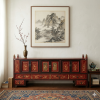
When curating a luxury living space, purchasing Chinese Antique Furniture is often considered both a stylistic triumph and a profound financial decision. For affluent homeowners, interior designers, and expatriates establishing their legacy in Southeast Asia, the question naturally arises: is investing in these historical masterpieces truly worth the money? The short answer is an absolute yes.
Welcome to Chinese House, where we believe that true luxury lies in assets that appreciate in both beauty and intrinsic value over time. Unlike mass-produced modern decor that depreciates the moment it is delivered, heritage pieces offer a unique opportunity to preserve wealth while surrounding yourself with breathtaking dynastic artistry. Let us explore why these items are a stellar, secure addition to your portfolio and your home.
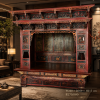
Chinese Antique Furniture has become one of the defining elements of Bangkok’s most memorable hospitality interiors. From boutique hotels hidden within historic neighborhoods to contemporary riverside lounges and refined private clubs, designers are increasingly turning to antique Chinese pieces to create spaces with depth, character, and a sense of permanence.
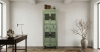
The art of high-end interior design often lies in the mastery of contrast. Seamlessly blending Chinese Antique Furniture with sleek, modern decor is a surefire way to elevate any room from standard to spectacular. The juxtaposition of history-rich craftsmanship against crisp, contemporary lines creates a dynamic environment that is both visually striking and deeply personal.
Welcome to Chinese House, where we specialize in helping you curate spaces that radiate both modern sophistication and dynastic charm. If you have ever wondered how to introduce historical masterpieces into your 21st-century home without making it feel like a museum, let us guide you through the principles of achieving a flawless, timeless blend.
