How to Choose Chinese Antique Furniture for Your Home
10 Views
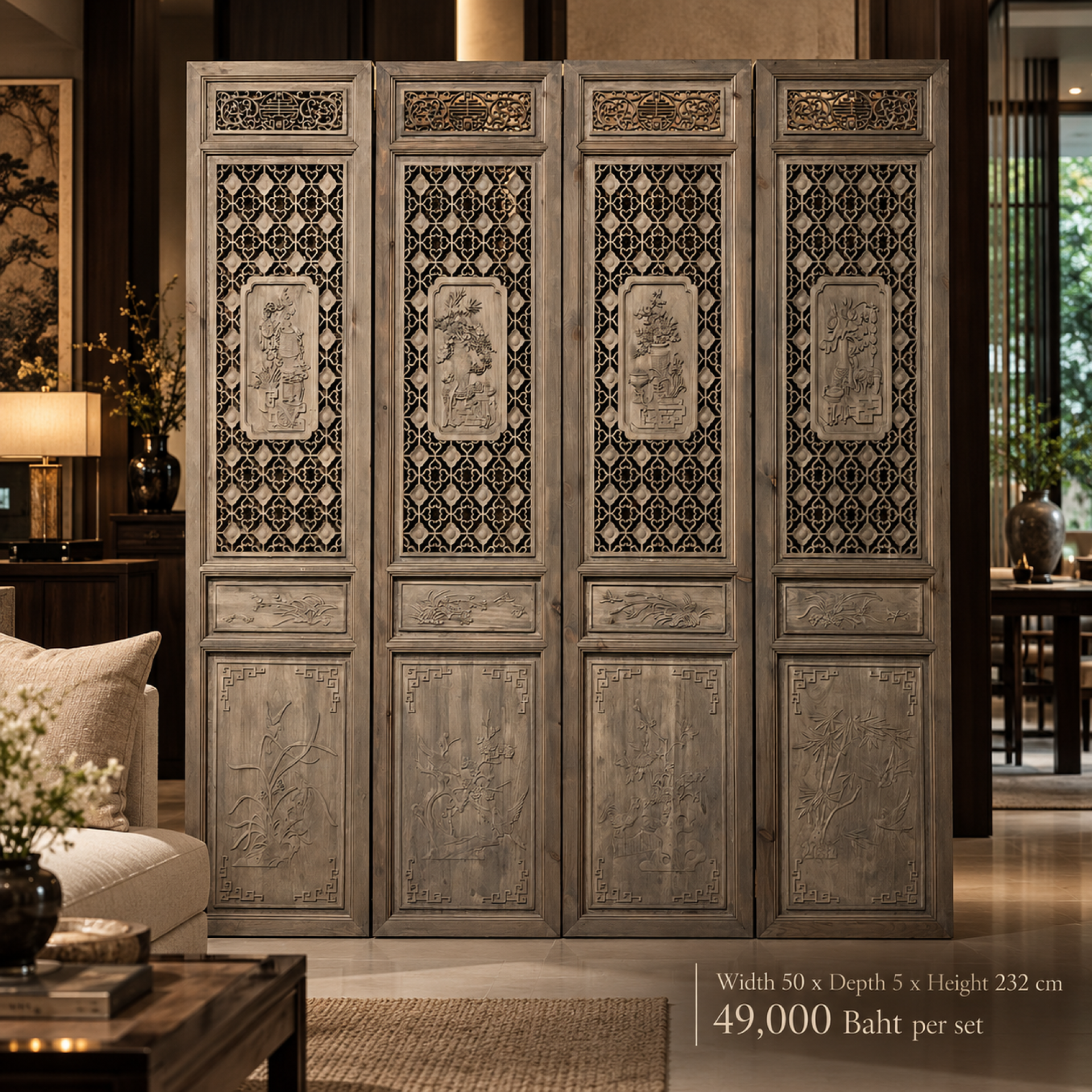
Start With the Room, Not the Furniture
It is easy to begin with the furniture itself. A beautifully proportioned cabinet or an intricately detailed screen naturally attracts attention. But before choosing a piece, look carefully at the room it will occupy.
Start with the dimensions. Measure the available wall, the depth of the area and the space required for comfortable circulation. Then look beyond measurements. Ceiling height, doors, windows and architectural openings all affect how furniture will be perceived.
Existing materials matter as well. Timber flooring, stone, plaster, metal, glass and textiles each create a different setting for traditional furniture. A piece with a strong surface or substantial silhouette may become an important visual anchor in a restrained contemporary room. In a room already filled with elaborate details, a quieter form may provide better balance.
The intended role of the furniture should also be clear. Is it primarily for storage? Is it defining an entrance? Does it separate two areas? Is it part of a dining arrangement?
Once these questions are answered, the range of suitable pieces becomes much narrower.
Choose by Proportion, Not Simply by Size
A piece can fit a room physically without fitting it visually.
Width is the first consideration. A long sideboard may work beautifully along a broad dining-room wall but overwhelm a narrower space. Conversely, a small console can disappear when placed against a large architectural wall.
Height is equally important. A tall cabinet introduces a strong vertical element and can draw attention upward. This can work particularly well in rooms with generous ceiling height, while a lower piece may create a calmer relationship in a more compact interior.
Visual weight should be considered alongside actual dimensions. Darker surfaces, substantial frames, dense carving and strong silhouettes can make furniture appear larger than its measurements suggest.
Look at the space around the furniture as carefully as the furniture itself. The empty area allows the piece to be understood. It gives the eye somewhere to rest and helps traditional forms sit comfortably within contemporary architecture.
This is why proportion is often more important than ornament. A relatively simple piece with the right scale can feel more convincing than a highly decorated piece that is too large or too small for its surroundings.
Let Function Narrow the Choice
Once the room and proportions are understood, function provides the next filter.
Cabinets for Storage and Vertical Presence
Chinese Antique Cabinets can provide practical storage while also introducing a strong architectural element.
Their height makes them particularly noticeable, so placement should be considered carefully. A cabinet can anchor a wall, frame an area of the room or create a visual counterpoint to lower contemporary furniture.
Storage requirements should come first. Consider what needs to be stored, how often it will be accessed and whether the doors and surrounding circulation have sufficient space.
Sideboards for Dining and Living Areas
Chinese Antique & Reproduction Sideboards are particularly useful where storage needs to meet a horizontal architectural line.
In a dining room, a sideboard can support the practical functions of the space while visually relating to the dining table. In a living area, it can provide a surface for selected objects, lighting or artwork without requiring a large freestanding cabinet.
Its length and height should be considered in relation to the wall and nearby furniture rather than treated as an isolated object.
Console Tables for Transitional Spaces
A Chinese Antique & Reproduction Console Table often works best where a room changes direction or function.
An entrance is one natural setting. A console can establish a sense of arrival without blocking circulation. It can also sit beneath artwork or a mirror, creating a composed relationship between furniture and wall.
The key is restraint. Transitional spaces usually benefit from furniture that defines the area without making movement through it difficult.
Screens for Spatial Definition
Chinese Antique & Reproduction Screens can perform a different role from conventional furniture.
Rather than simply occupying floor space, a screen can help establish a visual boundary between areas. It may distinguish an entrance from a living space, create separation within a larger room or introduce a layer of privacy without constructing a permanent wall.
The relationship between the screen and the surrounding architecture is particularly important. It should feel like part of the spatial composition rather than an object placed arbitrarily in the room.
Tables & Chairs for Everyday Use
Chinese Antique Tables & Chairs require a balance between appearance and practical use.
Dining, working and seating arrangements demand attention to scale and comfort. A table should relate naturally to the chairs around it and to the size of the room. The surrounding furniture should allow people to move, sit and interact comfortably.
Traditional furniture does not need to dominate a room to have presence. Its form can become part of an everyday interior while retaining a distinct visual character.
Choose the Character That Belongs in the Room
After considering space and function, look closely at the qualities of the individual piece.
Surface is often one of the first things noticed. Colour, finish and visible texture influence how strongly the furniture contrasts with its surroundings. A more subdued surface may sit quietly among contemporary materials, while a visually stronger surface can become a focal point.
Hardware can have a similar effect. Metal fittings, handles and hinges may be small details, but they contribute to the overall character of a piece.
Carving and ornament should be considered in relation to the room rather than admired in isolation. A highly detailed piece can work beautifully in a restrained setting because the architecture gives it room to speak. In a more decorative interior, however, another heavily ornamented element may create unnecessary visual competition.
Silhouette is equally important. The outline of a cabinet, table or screen can often be understood from across the room before its smaller details become visible.
This is why choosing Chinese antique furniture is not simply a matter of finding the most elaborate piece. The better choice is the one whose character complements the room.
Antique or Reproduction: Which Is Right for Your Interior?
Chinese House uses two primary furniture classifications: Antique and Reproduction.
Reproduction refers to newly made furniture based on traditional or classical Chinese designs. It should not be treated as a synonym for Vintage or Antique.
The distinction matters because the two classifications offer different relationships with an interior.
Antique furniture can bring the character of an existing piece, including its surface, signs of age and individual visual history where these characteristics are appropriately verified. Its appeal often lies in the combination of form, craftsmanship and the particular qualities that have developed over time.
Reproduction furniture offers another possibility. A traditional form can be incorporated into a contemporary interior without the selection being based on the age or previous history of an individual piece.
Neither classification needs to be presented as automatically superior. The more useful question is what the room requires and what kind of furniture relationship the owner wants.
When considering an antique piece, rely on verified information rather than appearance alone. Age, dynasty, provenance, wood species and historical origin should never be assumed simply because a piece looks old or traditional.
How Chinese Furniture Relates to Contemporary Architecture
Traditional Chinese furniture can sit naturally within contemporary architecture when the relationship is considered carefully.
Modern Condominiums
In a condominium, available floor area can make proportion particularly important.
One carefully selected cabinet, console or screen may have more impact than several smaller decorative pieces. Leaving sufficient space around the furniture can prevent the room from feeling crowded and allows the traditional form to interact with clean architectural lines.
Bangkok Townhouses and Urban Residences
Urban residences often contain transitional spaces where furniture needs to perform more than one role.
A console can establish an entrance. A cabinet can provide storage while strengthening a wall composition. A screen can distinguish one part of an open plan from another.
Here, circulation becomes especially important. Traditional furniture should support the movement and function of the home rather than obstruct it.
Villas and Larger Residences
A larger room provides greater freedom, but it also changes the scale of the decision.
Furniture that might dominate a condominium can become proportionate within a villa or larger residence. Larger spaces also allow individual pieces to be grouped with greater separation, creating relationships between furniture rather than simply filling empty areas.
Hospitality and Interior-Design Projects
For boutique hospitality and professional interior projects, the same principles apply at a broader scale.
Furniture needs to contribute to the identity of the space while remaining coherent with lighting, architecture, materials and circulation. A screen, cabinet or sideboard can become part of the overall spatial language rather than functioning as an isolated decorative element.
For architects and interior designers, this relationship between object and architecture is often where Chinese furniture becomes most interesting.
A Final Checklist Before Choosing
Before choosing a piece, step back and consider the whole room.
Does it fit?
Check dimensions, circulation and the space required around the furniture.
Does it function?
Make sure the piece genuinely serves the purpose for which it is being selected.
Does its proportion work?
Consider width, height, depth and visual weight in relation to the architecture.
Does its character complement the interior?
Look at surface, colour, hardware, carving and silhouette as part of the room rather than independently.
Is the classification clear?
Know whether you are choosing Antique or Reproduction and use verified information when considering age, materials or historical background.
The best Chinese antique furniture choice is rarely determined by one characteristic. It emerges from the relationship between the object, the room, its function and the people who will live with it.
A well-chosen piece does not need to overpower its surroundings. It can simply occupy its place with clarity, giving the room another layer of material, proportion and character.
For those considering Chinese antique or reproduction furniture for a Bangkok residence, villa, condominium or design project, exploring the furniture by category can be a useful next step. Chinese House presents pieces across cabinets, sideboards, console tables, screens, tables and chairs, allowing the selection process to begin with the type of furniture the room actually needs.
FAQ Section:
How do I choose the right Chinese antique furniture for my home?
Begin with the room rather than the furniture. Consider available space, architectural character, circulation, function and proportion before looking at surface, carving or decorative detail. The right piece should work both practically and visually within its surroundings.
How should Chinese antique furniture be used in a modern interior?
Focus on proportion and contrast. A traditional cabinet, console, screen or table can provide visual character within contemporary architecture when there is sufficient space around it and its scale relates naturally to the surrounding furniture and materials.
What is the difference between Chinese antique and reproduction furniture?
Antique furniture is an existing piece whose age and history should be supported by appropriate information. Reproduction furniture is newly made based on traditional or classical Chinese designs. They are different classifications, and neither should automatically be considered better; the appropriate choice depends on the interior and the owner's purpose.
It is easy to begin with the furniture itself. A beautifully proportioned cabinet or an intricately detailed screen naturally attracts attention. But before choosing a piece, look carefully at the room it will occupy.
Start with the dimensions. Measure the available wall, the depth of the area and the space required for comfortable circulation. Then look beyond measurements. Ceiling height, doors, windows and architectural openings all affect how furniture will be perceived.
Existing materials matter as well. Timber flooring, stone, plaster, metal, glass and textiles each create a different setting for traditional furniture. A piece with a strong surface or substantial silhouette may become an important visual anchor in a restrained contemporary room. In a room already filled with elaborate details, a quieter form may provide better balance.
The intended role of the furniture should also be clear. Is it primarily for storage? Is it defining an entrance? Does it separate two areas? Is it part of a dining arrangement?
Once these questions are answered, the range of suitable pieces becomes much narrower.
Choose by Proportion, Not Simply by Size
A piece can fit a room physically without fitting it visually.
Width is the first consideration. A long sideboard may work beautifully along a broad dining-room wall but overwhelm a narrower space. Conversely, a small console can disappear when placed against a large architectural wall.
Height is equally important. A tall cabinet introduces a strong vertical element and can draw attention upward. This can work particularly well in rooms with generous ceiling height, while a lower piece may create a calmer relationship in a more compact interior.
Visual weight should be considered alongside actual dimensions. Darker surfaces, substantial frames, dense carving and strong silhouettes can make furniture appear larger than its measurements suggest.
Look at the space around the furniture as carefully as the furniture itself. The empty area allows the piece to be understood. It gives the eye somewhere to rest and helps traditional forms sit comfortably within contemporary architecture.
This is why proportion is often more important than ornament. A relatively simple piece with the right scale can feel more convincing than a highly decorated piece that is too large or too small for its surroundings.
Let Function Narrow the Choice
Once the room and proportions are understood, function provides the next filter.
Cabinets for Storage and Vertical Presence
Chinese Antique Cabinets can provide practical storage while also introducing a strong architectural element.
Their height makes them particularly noticeable, so placement should be considered carefully. A cabinet can anchor a wall, frame an area of the room or create a visual counterpoint to lower contemporary furniture.
Storage requirements should come first. Consider what needs to be stored, how often it will be accessed and whether the doors and surrounding circulation have sufficient space.
Sideboards for Dining and Living Areas
Chinese Antique & Reproduction Sideboards are particularly useful where storage needs to meet a horizontal architectural line.
In a dining room, a sideboard can support the practical functions of the space while visually relating to the dining table. In a living area, it can provide a surface for selected objects, lighting or artwork without requiring a large freestanding cabinet.
Its length and height should be considered in relation to the wall and nearby furniture rather than treated as an isolated object.
Console Tables for Transitional Spaces
A Chinese Antique & Reproduction Console Table often works best where a room changes direction or function.
An entrance is one natural setting. A console can establish a sense of arrival without blocking circulation. It can also sit beneath artwork or a mirror, creating a composed relationship between furniture and wall.
The key is restraint. Transitional spaces usually benefit from furniture that defines the area without making movement through it difficult.
Screens for Spatial Definition
Chinese Antique & Reproduction Screens can perform a different role from conventional furniture.
Rather than simply occupying floor space, a screen can help establish a visual boundary between areas. It may distinguish an entrance from a living space, create separation within a larger room or introduce a layer of privacy without constructing a permanent wall.
The relationship between the screen and the surrounding architecture is particularly important. It should feel like part of the spatial composition rather than an object placed arbitrarily in the room.
Tables & Chairs for Everyday Use
Chinese Antique Tables & Chairs require a balance between appearance and practical use.
Dining, working and seating arrangements demand attention to scale and comfort. A table should relate naturally to the chairs around it and to the size of the room. The surrounding furniture should allow people to move, sit and interact comfortably.
Traditional furniture does not need to dominate a room to have presence. Its form can become part of an everyday interior while retaining a distinct visual character.
Choose the Character That Belongs in the Room
After considering space and function, look closely at the qualities of the individual piece.
Surface is often one of the first things noticed. Colour, finish and visible texture influence how strongly the furniture contrasts with its surroundings. A more subdued surface may sit quietly among contemporary materials, while a visually stronger surface can become a focal point.
Hardware can have a similar effect. Metal fittings, handles and hinges may be small details, but they contribute to the overall character of a piece.
Carving and ornament should be considered in relation to the room rather than admired in isolation. A highly detailed piece can work beautifully in a restrained setting because the architecture gives it room to speak. In a more decorative interior, however, another heavily ornamented element may create unnecessary visual competition.
Silhouette is equally important. The outline of a cabinet, table or screen can often be understood from across the room before its smaller details become visible.
This is why choosing Chinese antique furniture is not simply a matter of finding the most elaborate piece. The better choice is the one whose character complements the room.
Antique or Reproduction: Which Is Right for Your Interior?
Chinese House uses two primary furniture classifications: Antique and Reproduction.
Reproduction refers to newly made furniture based on traditional or classical Chinese designs. It should not be treated as a synonym for Vintage or Antique.
The distinction matters because the two classifications offer different relationships with an interior.
Antique furniture can bring the character of an existing piece, including its surface, signs of age and individual visual history where these characteristics are appropriately verified. Its appeal often lies in the combination of form, craftsmanship and the particular qualities that have developed over time.
Reproduction furniture offers another possibility. A traditional form can be incorporated into a contemporary interior without the selection being based on the age or previous history of an individual piece.
Neither classification needs to be presented as automatically superior. The more useful question is what the room requires and what kind of furniture relationship the owner wants.
When considering an antique piece, rely on verified information rather than appearance alone. Age, dynasty, provenance, wood species and historical origin should never be assumed simply because a piece looks old or traditional.
How Chinese Furniture Relates to Contemporary Architecture
Traditional Chinese furniture can sit naturally within contemporary architecture when the relationship is considered carefully.
Modern Condominiums
In a condominium, available floor area can make proportion particularly important.
One carefully selected cabinet, console or screen may have more impact than several smaller decorative pieces. Leaving sufficient space around the furniture can prevent the room from feeling crowded and allows the traditional form to interact with clean architectural lines.
Bangkok Townhouses and Urban Residences
Urban residences often contain transitional spaces where furniture needs to perform more than one role.
A console can establish an entrance. A cabinet can provide storage while strengthening a wall composition. A screen can distinguish one part of an open plan from another.
Here, circulation becomes especially important. Traditional furniture should support the movement and function of the home rather than obstruct it.
Villas and Larger Residences
A larger room provides greater freedom, but it also changes the scale of the decision.
Furniture that might dominate a condominium can become proportionate within a villa or larger residence. Larger spaces also allow individual pieces to be grouped with greater separation, creating relationships between furniture rather than simply filling empty areas.
Hospitality and Interior-Design Projects
For boutique hospitality and professional interior projects, the same principles apply at a broader scale.
Furniture needs to contribute to the identity of the space while remaining coherent with lighting, architecture, materials and circulation. A screen, cabinet or sideboard can become part of the overall spatial language rather than functioning as an isolated decorative element.
For architects and interior designers, this relationship between object and architecture is often where Chinese furniture becomes most interesting.
A Final Checklist Before Choosing
Before choosing a piece, step back and consider the whole room.
Does it fit?
Check dimensions, circulation and the space required around the furniture.
Does it function?
Make sure the piece genuinely serves the purpose for which it is being selected.
Does its proportion work?
Consider width, height, depth and visual weight in relation to the architecture.
Does its character complement the interior?
Look at surface, colour, hardware, carving and silhouette as part of the room rather than independently.
Is the classification clear?
Know whether you are choosing Antique or Reproduction and use verified information when considering age, materials or historical background.
The best Chinese antique furniture choice is rarely determined by one characteristic. It emerges from the relationship between the object, the room, its function and the people who will live with it.
A well-chosen piece does not need to overpower its surroundings. It can simply occupy its place with clarity, giving the room another layer of material, proportion and character.
For those considering Chinese antique or reproduction furniture for a Bangkok residence, villa, condominium or design project, exploring the furniture by category can be a useful next step. Chinese House presents pieces across cabinets, sideboards, console tables, screens, tables and chairs, allowing the selection process to begin with the type of furniture the room actually needs.
FAQ Section:
How do I choose the right Chinese antique furniture for my home?
Begin with the room rather than the furniture. Consider available space, architectural character, circulation, function and proportion before looking at surface, carving or decorative detail. The right piece should work both practically and visually within its surroundings.
How should Chinese antique furniture be used in a modern interior?
Focus on proportion and contrast. A traditional cabinet, console, screen or table can provide visual character within contemporary architecture when there is sufficient space around it and its scale relates naturally to the surrounding furniture and materials.
What is the difference between Chinese antique and reproduction furniture?
Antique furniture is an existing piece whose age and history should be supported by appropriate information. Reproduction furniture is newly made based on traditional or classical Chinese designs. They are different classifications, and neither should automatically be considered better; the appropriate choice depends on the interior and the owner's purpose.
Related Content
Color becomes an essential design tool in these environments. It shapes visual balance, influences the perception of space, and determines whether antique pieces feel integrated or isolated
A Chinese Antique Cabinet does not need to look untouched to feel complete. Its character may live in the quiet variation of its surface, the evidence of handwork, the movement of its timber, and the small marks accumulated through use. Restoration, when approached with restraint, is less about making an antique cabinet appear new and more about helping its existing qualities remain visible, stable and useful.
One exceptional piece of Chinese antique furniture can change the way an entire room feels.
