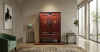
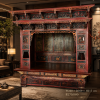
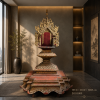
Global Allure of Chinese Antique Furniture in Luxury Homes
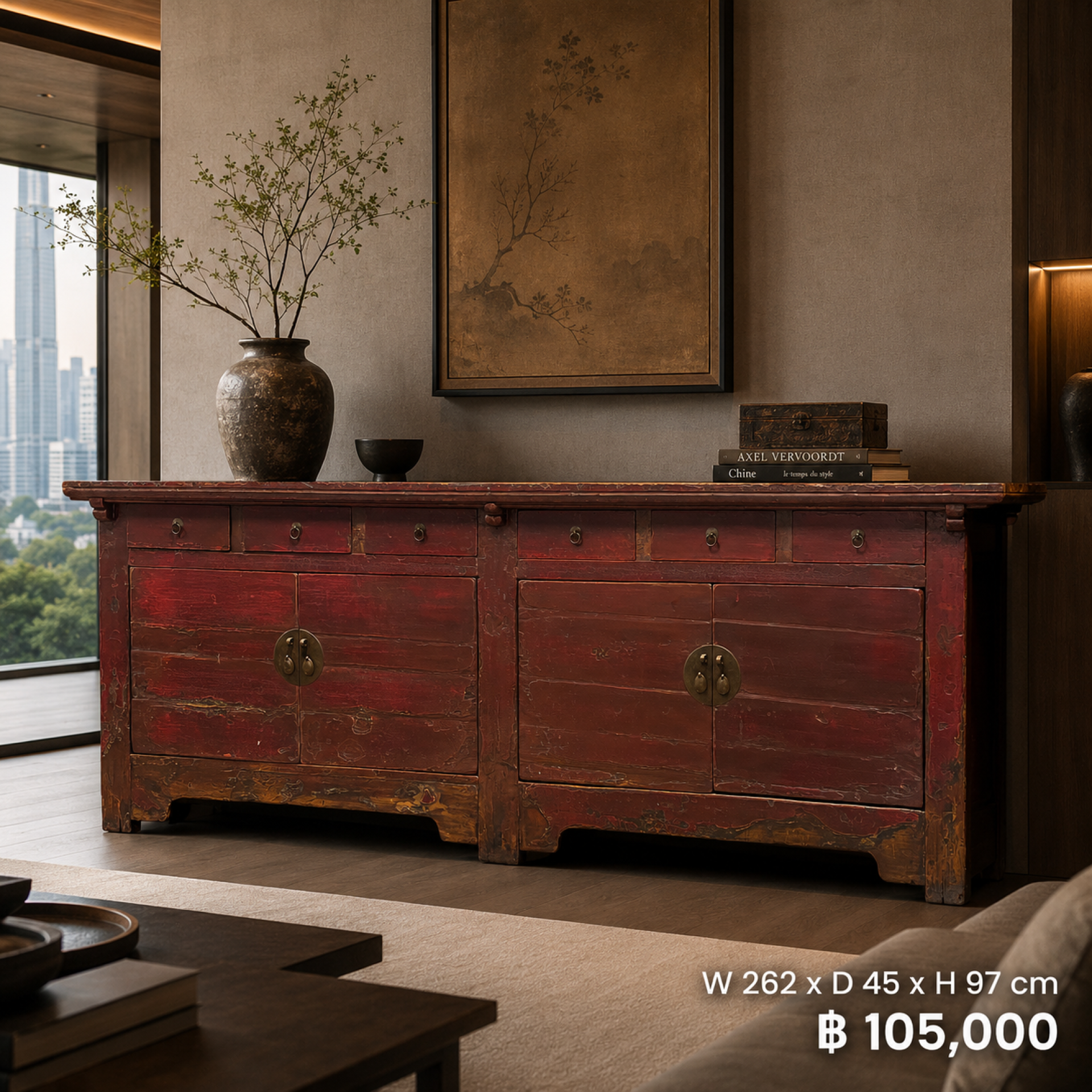
Global Allure of Chinese Antique Furniture in Luxury Homes
Introduction:
Chinese Antique Furniture continues to captivate discerning homeowners, designers, and collectors around the world. From elegant penthouses in Bangkok to grand estates in Europe and contemporary villas overlooking tropical coastlines, these remarkable pieces bring a sense of history, craftsmanship, and refinement that few furnishings can match.
Unlike trend-driven décor, antique Chinese furniture carries centuries of artistic heritage. Every cabinet, console, chair, and partition reflects traditions shaped by master craftsmen, creating interiors that feel curated, sophisticated, and deeply personal.
A Heritage of Craftsmanship That Endures
The global admiration for Chinese antique furniture begins with its extraordinary history. For centuries, Chinese artisans developed furniture-making techniques that balanced beauty, functionality, and structural precision.
Furniture from the Ming Dynasty (1368–1644) remains particularly celebrated among designers and collectors. Ming craftsmen favored elegant proportions, clean lines, and restrained ornamentation. Rather than relying on excessive decoration, the beauty emerged from impeccable craftsmanship and harmonious design.
During the Qing Dynasty (1644–1912), furniture evolved toward greater decorative richness. Elaborate carvings, intricate lacquer work, and symbolic motifs became more prominent, reflecting the prosperity and artistic ambitions of the imperial era.
One of the most remarkable aspects of traditional Chinese furniture is mortise-and-tenon joinery. This sophisticated construction technique allows furniture components to interlock without nails or screws. Many antique pieces have survived generations of use thanks to the strength and flexibility of this method.
These historical traditions continue to inspire contemporary interior designers seeking furniture with authenticity and lasting presence.
Rare Woods That Elevate Luxury Interiors
The materials used in Chinese antique furniture contribute significantly to its international appeal.
Huanghuali wood, prized during the late Ming period, is admired for its warm golden tones and distinctive grain patterns. Historically reserved for high-status furniture, it remains one of the most respected woods in Chinese furniture history.
Zitan wood holds an equally prestigious place. Dense, fine-grained, and naturally rich in color, it was often associated with imperial workshops and elite households.
Elm wood offers a different form of beauty. Its subtle grain, durability, and organic character make it a favorite for antique cabinets, sideboards, and scholar furniture. Today, elm wood pieces integrate beautifully into both traditional and contemporary homes.
The appreciation of these materials extends beyond China. Interior designers worldwide value their natural textures, warmth, and ability to add depth to modern living spaces.
From Traditional Courtyards to International Luxury Homes
Chinese antique furniture was originally created for courtyard residences, scholar studios, and noble households. Yet its appeal has proven remarkably adaptable across cultures and architectural styles.
In Europe, antique Chinese cabinets and decorative screens frequently appear within historic estates and classical residences. Their clean geometry contrasts elegantly against ornate architectural detailing.
In North America and Australia, designers often use Chinese vintage furniture to introduce warmth and character into contemporary homes. A single antique cabinet can anchor an entire room, creating a focal point that feels collected rather than decorated.
Across Asia, appreciation continues to grow among homeowners who value craftsmanship and cultural heritage. Chinese antique furniture often serves as a bridge between tradition and modernity, bringing visual richness without overwhelming contemporary interiors.
The Rise of Chinese Antique Furniture in Bangkok Luxury Living
Bangkok's luxury residential market has increasingly embraced antique furniture as part of a more curated design approach.
In high-end condominiums, a scholar cabinet or antique sideboard introduces depth and personality that modern built-in furniture often lacks. The natural patina of aged wood creates an immediate sense of warmth against marble floors, bronze accents, and contemporary lighting.
Pool villas frequently incorporate antique partitions and carved doors as architectural features. These pieces provide texture and visual interest while maintaining a sophisticated atmosphere.
Interior designers working on boutique hospitality projects have also discovered the value of Chinese antique furniture. Antique cabinets, decorative screens, and statement consoles help create memorable spaces that feel distinctive and timeless.
Rather than appearing as museum pieces, these furnishings become part of modern living environments, enhancing comfort while celebrating craftsmanship.
Styling Chinese Antique Furniture in Contemporary Interiors
One reason Chinese antique furniture enjoys such widespread appeal is its versatility.
An antique cabinet can function as a dramatic focal point in a minimalist living room. A vintage console table may add warmth to a sleek entrance hall. Decorative partitions can create subtle zoning within open-plan residences.
Many designers prefer pairing antique furniture with contemporary materials such as:
Natural stone
Bronze and brass finishes
Linen upholstery
Oak flooring
Textured wall surfaces
This contrast between historical craftsmanship and modern architecture creates interiors that feel layered and sophisticated.
In luxury penthouses and boutique hospitality spaces, antique furniture often becomes the element that transforms a beautiful room into a memorable one.
Why Chinese Antique Furniture Remains Relevant
Trends change rapidly, yet Chinese antique furniture continues to resonate across generations and cultures.
Part of its appeal lies in craftsmanship. Hand-finished surfaces, carefully proportioned forms, and traditional joinery techniques offer qualities rarely found in mass-produced furniture.
Another reason is emotional connection. Antique furniture carries a sense of continuity and permanence. It reflects a history of artistry that transcends changing fashions.
For homeowners seeking meaningful interiors, these pieces provide more than decoration. They introduce narrative, character, and cultural depth.
Whether placed within a modern condominium, a tropical villa, or a refined hospitality project, Chinese antique furniture brings an atmosphere of elegance that remains relevant year after year.
Discovering Timeless Chinese Furniture in Bangkok
For those seeking exceptional Chinese Antique Furniture in Thailand, Chinese House has been a trusted destination since 1990. Specializing in antique furniture, masterfully crafted reproductions, and professional restoration expertise, Chinese House offers a carefully curated collection that reflects the enduring beauty of traditional Chinese craftsmanship.
From antique cabinets and sideboards to partitions, chairs, and decorative wooden furnishings, these pieces allow homeowners and designers to create interiors with lasting sophistication and historical character.
As luxury design increasingly values authenticity, craftsmanship, and individuality, Chinese antique furniture continues to find new admirers around the world.
Frequently Asked Questions
Why is Chinese antique furniture popular in modern luxury homes?
Its timeless craftsmanship, elegant proportions, and historical significance allow it to complement both contemporary and traditional interiors.
What woods are commonly found in Chinese antique furniture?
Historically important materials include Huanghuali wood, Zitan wood, and Elm wood, each valued for its beauty, durability, and distinctive character.
Can Chinese antique furniture work in modern Bangkok condos?
Yes. Antique cabinets, sideboards, and partitions often provide warmth, texture, and visual depth within contemporary luxury condominiums and penthouses.