More Than Decoration: The Hidden Language of Chinese Furniture

More Than Decoration: The Hidden Language of Chinese Furniture
Traditional Chinese interiors were designed with intention. Every element within a residence—from architectural layout to decorative objects—contributed to a carefully considered environment that reflected personal values and cultural beliefs.
Furniture played a central role in this visual language. During both the Ming Dynasty and Qing Dynasty, artisans integrated symbolic imagery into furniture intended for scholars, merchants, officials, and affluent families. These motifs were not random embellishments. They communicated wishes for success, family prosperity, good health, and social harmony.
Today, these symbolic details continue to captivate collectors and interior designers seeking meaningful Antique Furniture that offers more than visual appeal.
Symbols of Prosperity, Longevity, and Good Fortune
Among the most recognizable decorative motifs in Chinese Antique Furniture are symbols associated with blessings and abundance.
The bat, for example, appears frequently in carved panels and decorative surfaces. In Chinese culture, the word for bat shares a pronunciation similar to the word for fortune, making it a powerful symbol of happiness and good luck.
Peaches are another recurring motif. Traditionally associated with longevity, they often appear on cabinets and decorative furniture intended to express wishes for a long and healthy life.
Lotus flowers symbolize purity and spiritual refinement. Their elegant forms were especially popular in carved antique partitions and decorative screens, where delicate floral patterns added both visual beauty and cultural meaning.
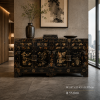
Ancient coin motifs and stylized ingots frequently represented prosperity and financial success. These details can still be found on antique cabinets, sideboards, and storage furniture originating from northern Chinese provinces.
Such symbolism transformed everyday furniture into expressions of aspiration, allowing households to surround themselves with visual reminders of cherished values.
The Scholar's World: Furniture as a Reflection of Knowledge
Perhaps no furniture category demonstrates symbolism more clearly than the scholar cabinet.
In traditional Chinese society, scholarship held extraordinary prestige. Education was viewed as a pathway to personal achievement and social advancement. Scholar cabinets were therefore designed not only for storage but also as reflections of intellectual life.
These elegant pieces displayed books, scrolls, calligraphy, ceramics, and treasured objects. Their open shelving and carefully balanced proportions communicated order, discipline, and refinement.
Many scholar furnishings from the Ming Dynasty embraced simplicity rather than excessive ornamentation. This aesthetic reflected Confucian ideals that valued restraint, balance, and thoughtful living.
The enduring appeal of these forms explains why scholar cabinets continue to work beautifully within contemporary luxury interiors, from Bangkok penthouses to private pool villas.
Sacred Creatures and Auspicious Animals
Animals occupy an important place in Chinese decorative arts, and furniture often incorporated these symbolic creatures through carvings and relief work.
The dragon remains one of the most celebrated motifs. Historically associated with strength, authority, and protection, dragon imagery appeared in furniture created for elite households.
The phoenix represented virtue, grace, and harmony. When paired together, dragon and phoenix motifs symbolized balance and unity, making them particularly meaningful decorative themes.
Other auspicious creatures include cranes, which symbolize longevity and wisdom, and deer, which traditionally represent prosperity and success.
Guardian lions were frequently carved into furniture details and architectural elements, serving as symbolic protectors of the household.
These motifs continue to enrich Chinese Vintage Furniture with layers of cultural narrative that remain relevant centuries after their creation.
Craftsmanship as Symbolism
Beyond decorative imagery, traditional Chinese craftsmanship itself carried symbolic meaning.
One of the most remarkable examples is mortise-and-tenon joinery. Developed over centuries and refined during the Ming Dynasty, this sophisticated construction method allows furniture components to interlock without nails or screws.
The resulting structures possess remarkable strength and flexibility while embodying principles of harmony and balance. Each component supports the whole, reflecting philosophical concepts deeply rooted in Chinese culture.
Many of the finest surviving examples of Chinese Antique Furniture continue to demonstrate the durability of these traditional techniques.
Materials also held symbolic significance.
Huanghuali wood, prized for its striking grain and rarity, was favored among scholars and wealthy households.
Zitan wood, one of the most valuable hardwoods used in traditional Chinese furniture, became associated with prestige and refinement.
Elm wood, widely used throughout northern China, offered durability and natural beauty while remaining practical for everyday furnishings.
Together, these materials helped define the character and status of the furniture they became.
Traditional lacquer craftsmanship added another dimension. Multiple layers of carefully applied lacquer created surfaces that were both visually luxurious and highly protective, preserving furniture for generations.
Bringing Symbolic Chinese Furniture into Modern Luxury Homes
While the cultural origins of these symbols extend back centuries, their appeal remains remarkably contemporary.
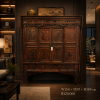
A beautifully carved Antique Cabinet can become the focal point of a luxury condominium in Bangkok, introducing warmth and historical depth into a modern setting.
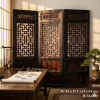
An antique partition adorned with floral motifs can provide architectural character within open-plan interiors, subtly dividing spaces without sacrificing visual flow.
Scholar cabinets work exceptionally well in contemporary homes, where their elegant proportions complement modern art collections, ceramics, and curated decorative objects.
Rather than creating themed interiors, many designers today use a single significant piece of Chinese Antique Furniture as a statement element. This approach allows symbolism and craftsmanship to stand out naturally while maintaining a sophisticated contemporary aesthetic.
The result is an interior that feels collected rather than decorated—a space where heritage and modernity coexist gracefully.
Preserving Cultural Narratives Through Fine Furniture
One reason Chinese Antique Furniture continues to attract collectors worldwide is its ability to preserve cultural stories.
Each carved symbol, carefully chosen material, and handcrafted joint represents generations of accumulated knowledge and artistic tradition. These details transform furniture into cultural artifacts that remain functional and relevant within modern homes.
For homeowners seeking meaningful design, symbolism offers an additional layer of appreciation beyond form and craftsmanship. It connects contemporary living spaces with centuries of history, philosophy, and artistic achievement.
At Chinese House, established in Bangkok in 1990, this heritage continues through a carefully curated collection of Chinese Antique Furniture, expertly crafted reproductions, and professional restoration expertise. Whether selecting an antique cabinet, decorative partition, or statement furnishing, understanding the symbolism behind each piece enriches the experience of ownership and deepens its connection to the home.
Explore furniture that tells a story—where craftsmanship, history, and symbolism come together to create interiors of lasting character and elegance.
FAQ
What do dragons symbolize in Chinese Antique Furniture?
Dragons traditionally symbolize strength, authority, protection, and prosperity. They are among the most important motifs found in Chinese decorative arts and furniture.
Why is mortise-and-tenon joinery important?
Mortise-and-tenon joinery is a traditional woodworking technique that allows furniture to be assembled without nails or screws. It is admired for its durability, precision, and craftsmanship.
What woods were commonly used in Chinese Antique Furniture?
Historically significant woods include Huanghuali, Zitan, and Elm. Each offered distinct visual qualities and was associated with different levels of prestige and functionality.