Why Chinese Antique Furniture Requires Special Care
Why Chinese Antique Furniture Requires Special Care
Unlike mass-produced furniture, traditional Chinese furniture was often handcrafted using techniques developed during the Ming Dynasty and Qing Dynasty. Many pieces were constructed using mortise-and-tenon joinery, a sophisticated woodworking method that connects components without nails or screws.
This approach created furniture that was both durable and flexible, allowing wood to naturally respond to environmental changes. Combined with premium materials such as Huanghuali wood, Zitan wood, and Elm wood, these pieces were designed to endure generations of use.
Today, preserving that craftsmanship requires thoughtful maintenance rather than aggressive restoration or modern cleaning methods.
Do #1: Maintain Stable Temperature and Humidity
One of the most important factors in preserving Chinese Vintage Furniture is environmental stability.
Wood naturally expands and contracts as humidity levels change. In Thailand, furniture may experience dramatic shifts between outdoor tropical heat and heavily air-conditioned interiors.
To minimize stress on antique wood:
Maintain consistent indoor temperatures whenever possible.
Avoid placing furniture directly under air-conditioning vents.
Keep pieces away from humid outdoor areas.
Use curtains or blinds to reduce intense heat exposure.
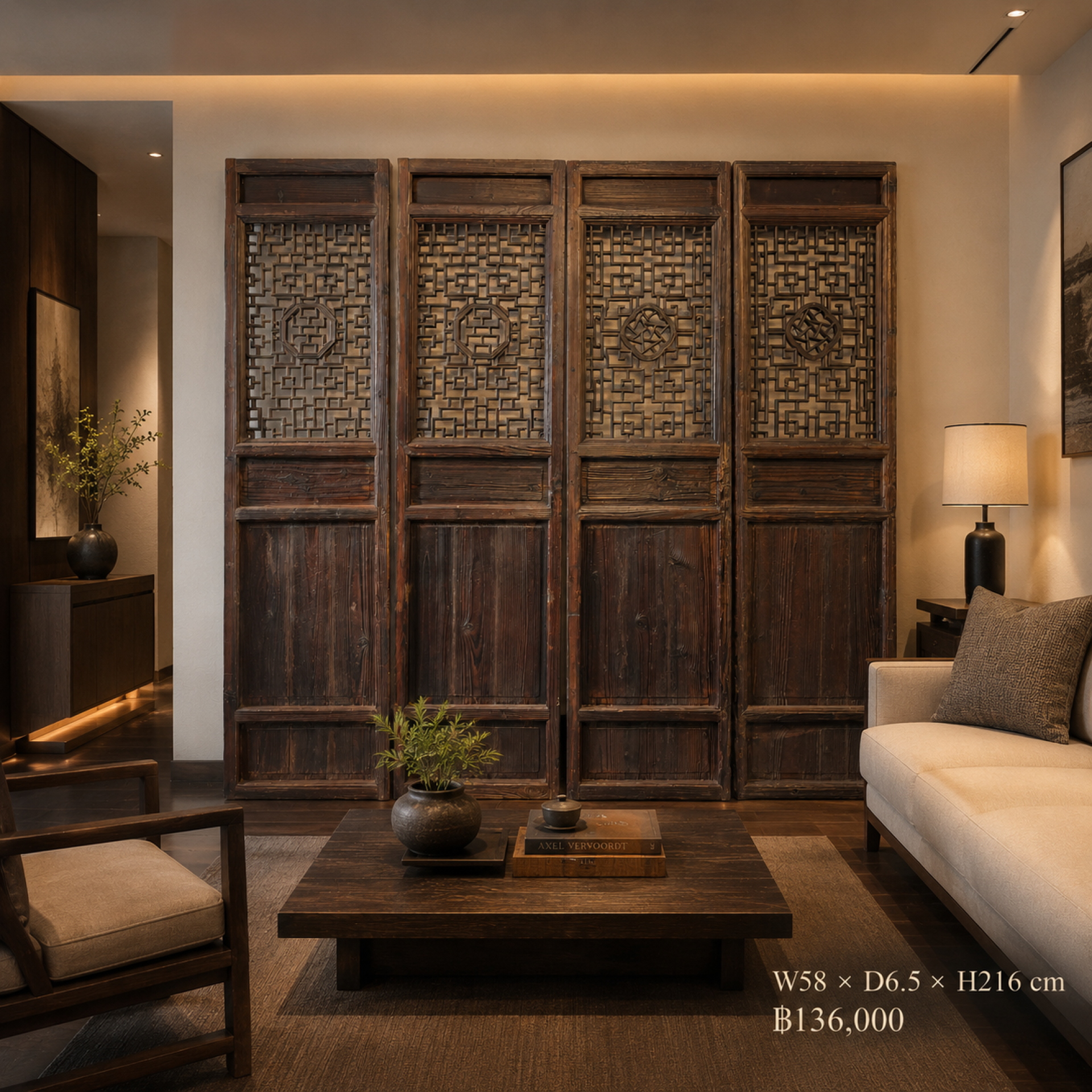
This is particularly important for large antique cabinets, sideboards, and decorative partitions that contain multiple joined wood panels.
Do #2: Dust Carefully and Frequently
Dust may seem harmless, but accumulated particles can gradually dull finishes and settle into intricate carvings.
A simple maintenance routine helps preserve both appearance and surface quality.
Recommended cleaning tools include:
Soft microfiber cloths
Clean cotton cloths
Natural-bristle brushes for carved details
When dusting, always follow the grain of the wood rather than rubbing aggressively across surfaces.
Regular gentle cleaning is far more effective than occasional deep cleaning.
Do #3: Protect Traditional Lacquer Finishes
Traditional lacquer craftsmanship has been an important feature of Chinese furniture for centuries. Multiple layers of lacquer were carefully applied to create surfaces that were both beautiful and protective.
These finishes deserve special attention.
Avoid:
Alcohol-based cleaners
Abrasive sponges
Silicone-heavy furniture sprays
Strong chemical cleaning products
Instead, use a dry or slightly damp cloth when necessary, followed immediately by a dry cloth.
Preserving original lacquer contributes significantly to the visual character of antique furniture.
Don't #1: Place Furniture in Direct Sunlight
Natural light enhances interior spaces, but prolonged exposure can be harmful to antique wood and finishes.
Direct sunlight may cause:
Fading of original color
Drying of wood fibers
Surface cracking over time
Uneven aging across visible surfaces
In luxury Bangkok condominiums and penthouses with expansive glass walls, positioning antique furniture slightly away from windows helps protect its long-term condition.
UV-filtering window treatments provide additional protection while maintaining a bright interior atmosphere.
Don't #2: Ignore Structural Support
Traditional Chinese furniture was designed according to carefully balanced proportions. Although many pieces remain structurally sound after decades or centuries, improper placement can create unnecessary strain.
Always ensure:
Furniture stands on level flooring.
Weight is distributed evenly.
Heavy decorative objects are not concentrated on one area.
Cabinet doors open and close without resistance.
If a piece begins to wobble or joints appear loose, professional restoration is often the safest solution.
Experienced restorers understand traditional mortise-and-tenon construction and can address issues without compromising historical integrity.
The Influence of Traditional Chinese Craftsmanship
Furniture from the Ming Dynasty is widely admired for its refined proportions, elegant simplicity, and exceptional joinery. During the Qing Dynasty, furniture design evolved to incorporate more elaborate carving and decorative detail.
Across both periods, artisans relied on natural hardwoods, hand tools, and meticulous craftsmanship rather than modern industrial processes.
Many antique cabinets and scholar furnishings still found today reflect these enduring traditions. Their longevity is a testament to the skill of the craftsmen who created them.
Understanding this heritage helps owners appreciate why careful preservation remains so important.
Styling Antique Furniture in Modern Thai Homes
One reason Chinese Antique Furniture remains popular is its versatility.
A single antique cabinet can serve as a focal point within:
Luxury condominiums
Contemporary pool villas
Boutique hospitality projects
Sophisticated home offices
Elegant dining rooms
The contrast between clean modern architecture and richly textured antique wood creates interiors that feel layered, curated, and deeply personal.
Rather than overwhelming a room, carefully selected antique furniture often introduces warmth, authenticity, and visual depth.
Caring for Furniture Across Generations
The finest examples of Chinese antique furniture have already survived generations of ownership. Proper care ensures they continue to thrive in contemporary settings.
By maintaining stable environmental conditions, cleaning surfaces gently, protecting lacquer finishes, and avoiding unnecessary exposure to sunlight and moisture, owners can preserve both beauty and craftsmanship for years to come.
These simple habits honor the traditions behind every cabinet, partition, chair, and table while allowing antique furniture to remain a living part of modern interiors.
For collectors, homeowners, and designers seeking guidance on Chinese Antique Furniture, Chinese House has specialized in authentic antiques, expertly crafted reproductions, and professional restoration expertise since 1990, helping preserve traditional craftsmanship for future generations.
FAQ
How often should Chinese antique furniture be cleaned?
Light dusting once or twice per week is usually sufficient. Gentle, consistent maintenance is preferable to intensive cleaning sessions.
Can antique furniture be placed near a window?
Yes, but direct sunlight should be avoided. UV-filtering curtains or blinds help protect wood and lacquer finishes from fading and drying.
What makes Chinese antique furniture so durable?
Many historic pieces were built using mortise-and-tenon joinery and premium hardwoods such as Huanghuali, Elm, and Zitan. These traditional techniques contributed significantly to their longevity.