Origins of Chinese Antique Furniture Through the Dynasties
Origins of Chinese Antique Furniture Through the Dynasties
The story of Chinese antique furniture begins long before the furniture forms we recognize today. During the Tang Dynasty (618–907), elevated seating and tables gradually replaced floor-based living arrangements, setting the foundation for the furniture traditions that would flourish in later centuries.
The Golden Age of Ming Furniture
Among furniture historians and design enthusiasts, the Ming Dynasty (1368–1644) is widely regarded as the pinnacle of classical Chinese furniture design.
Ming craftsmen developed furniture celebrated for its elegant proportions, restrained ornamentation, and extraordinary structural sophistication. Rather than relying on excessive decoration, artisans focused on balance, geometry, and the natural beauty of the wood itself.
Many of the finest examples were crafted from Huanghuali wood, a prized hardwood known for its rich color, flowing grain, and exceptional durability. Furniture from this period continues to inspire contemporary designers for its remarkable ability to feel both ancient and modern.
The Refined Grandeur of the Qing Dynasty
The Qing Dynasty (1644–1912) introduced a different aesthetic direction. Furniture became increasingly elaborate, reflecting imperial tastes and the prosperity of the era.
Intricate carvings, decorative motifs, and luxurious materials became more common. Zitan wood, among the rarest and most prestigious hardwoods in Chinese history, was particularly valued for elite furnishings. The resulting pieces conveyed authority, sophistication, and craftsmanship at the highest level.
Craftsmanship That Defied Time
One of the defining characteristics of traditional Chinese furniture is its remarkable construction method.
Mortise-and-Tenon Joinery
Long before modern hardware existed, Chinese craftsmen perfected mortise-and-tenon joinery. This ingenious woodworking technique allows components to interlock precisely without the use of nails or screws.
The method creates structural flexibility while maintaining exceptional strength. It is one reason why many Chinese antique cabinets, tables, and chairs have survived for centuries while retaining their integrity.
Beyond engineering excellence, mortise-and-tenon joinery reflects a philosophical approach to craftsmanship: harmony achieved through precision.
Traditional Lacquer Craftsmanship
Another hallmark of Chinese furniture is the use of traditional lacquer.
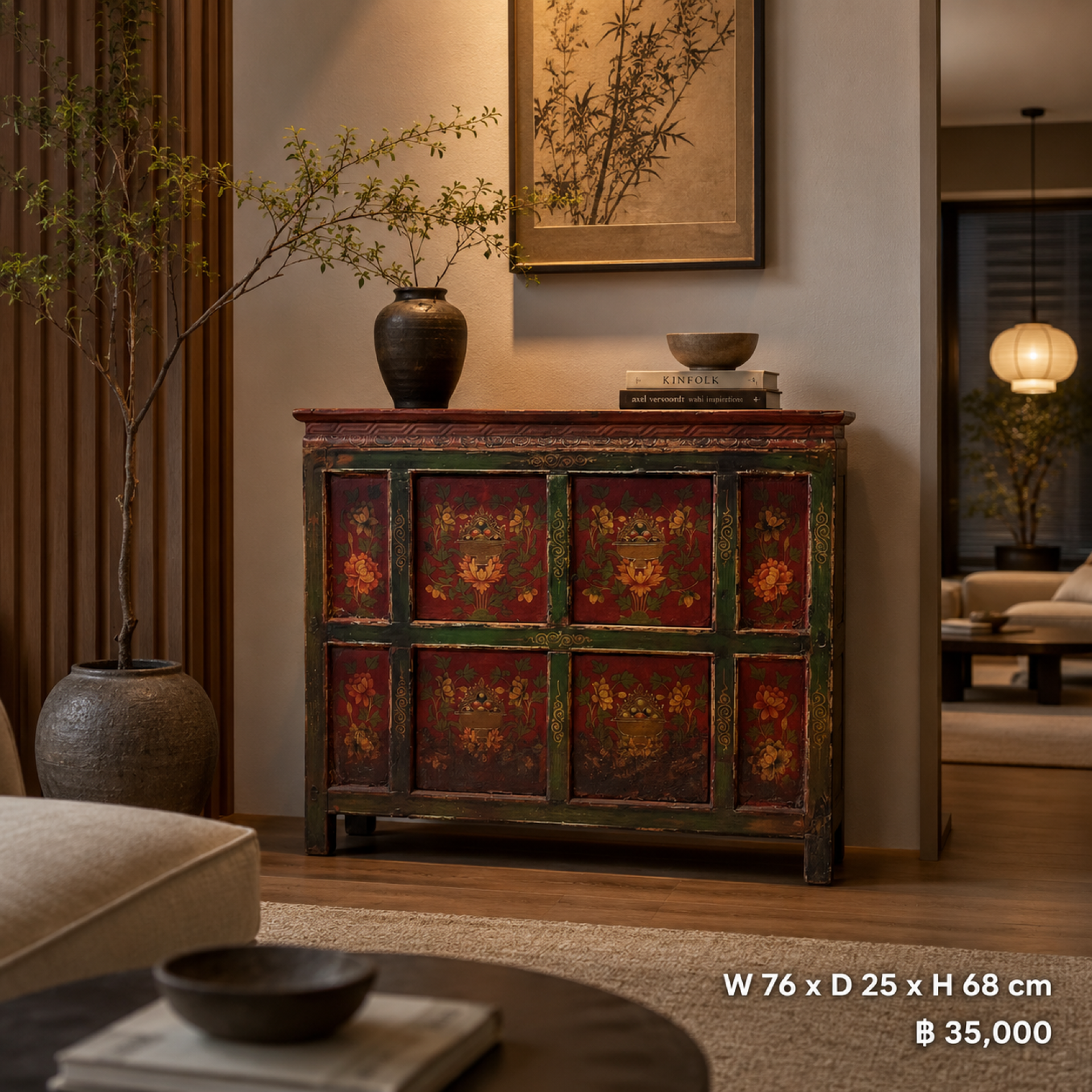
Produced through labor-intensive layering and polishing techniques, lacquer finishes protected furniture from humidity while enhancing its visual richness. Depending on the region and period, lacquer work could range from subtle finishes to highly decorative artistic surfaces.
The process demanded patience and extraordinary skill, often requiring weeks or months to complete a single piece.
The Precious Woods Behind Chinese Antique Furniture
Materials played a central role in determining the beauty and prestige of Chinese furniture.
Huanghuali Wood
Often associated with Ming furniture, Huanghuali remains one of the most admired woods in Chinese craftsmanship. Its naturally expressive grain creates visual movement across surfaces, making each piece unique.
Zitan Wood
Dense, fine-grained, and exceptionally rare, Zitan became synonymous with imperial luxury. Its deep tones and refined texture made it highly sought after for important furniture commissions.
Elm Wood
Not every masterpiece required rare hardwoods. Elm wood became widely used throughout northern China due to its strength and practicality. Many surviving antique cabinets and household furnishings demonstrate how humble materials could be transformed through skilled craftsmanship.
Furniture as a Reflection of Chinese Culture
Chinese furniture was never designed solely for function.
Each piece occupied a meaningful role within traditional Chinese life, reflecting social customs, family structures, and cultural values.
Scholar Cabinets and Intellectual Life
Scholar cabinets served as essential furnishings within studies and literary spaces. They housed scrolls, books, calligraphy tools, and treasured objects.
These cabinets reflected the importance placed on education, scholarship, and artistic cultivation throughout Chinese society.
Classical Courtyard Interiors
Traditional Chinese courtyard residences relied on carefully arranged furniture to create order and harmony within living spaces.
Furniture placement helped define hierarchy, social interaction, and movement throughout the home. Large cabinets, sideboards, and partitions served practical purposes while contributing to architectural balance.
Symbolism Through Design
Decorative carvings frequently incorporated symbols associated with longevity, prosperity, happiness, and harmony.
These visual narratives transformed furniture into cultural artifacts that communicated values across generations.
Why Chinese Antique Furniture Remains Relevant Today
The enduring appeal of Chinese antique furniture lies in its ability to enrich contemporary interiors without feeling out of place.
In modern Bangkok luxury condos, a single antique cabinet can introduce warmth and character against minimalist architecture. In tropical villas, antique partitions and console tables provide texture and historical depth. Boutique hotels and hospitality spaces often use Chinese vintage furniture to create memorable environments that feel curated rather than manufactured.
Unlike trend-driven furnishings, antique furniture offers permanence. The craftsmanship, materials, and historical significance continue to resonate regardless of changing design fashions.
Many architects and interior designers appreciate these pieces because they act as visual anchors, creating balance between contemporary design and cultural heritage.
Preserving a Timeless Legacy
Owning Chinese antique furniture is an opportunity to engage with centuries of craftsmanship and artistic achievement.
These pieces connect modern living spaces to traditions established during the Ming and Qing dynasties. Every cabinet, chair, sideboard, or partition reflects the skill of artisans who dedicated their lives to mastering woodworking techniques passed down through generations.
For homeowners seeking interiors with authenticity, character, and historical depth, Chinese antique furniture remains one of the most compelling design choices available.
Established in 1990, Chinese House specializes in authentic Chinese antique furniture, expertly crafted reproductions, and professional restoration services, helping preserve this remarkable heritage for future generations.
Discover the Enduring Beauty of Chinese Antique Furniture
Whether furnishing a luxury residence, a designer condominium, or a hospitality project, carefully selected antique furniture introduces a sense of permanence and cultural richness that cannot be replicated.
Explore pieces that embody centuries of craftsmanship and bring timeless elegance into contemporary living.
FAQ
What defines Chinese antique furniture?
Chinese antique furniture is characterized by traditional craftsmanship, historical construction techniques such as mortise-and-tenon joinery, and materials including Huanghuali, Zitan, and Elm wood. Many surviving examples originate from the Ming and Qing dynasties.
Why is Ming Dynasty furniture highly regarded?
Ming furniture is celebrated for its refined proportions, elegant simplicity, exceptional craftsmanship, and masterful use of premium hardwoods such as Huanghuali.
Can Chinese antique furniture work in modern interiors?
Yes. Chinese antique furniture creates visual contrast and depth within contemporary spaces, making it particularly effective in luxury condos, penthouses, pool villas, and boutique hospitality environments.