How Old Is Antique Furniture? A Guide to Timeless Decor
How Old Is Antique Furniture? A Guide to Timeless Decor
Introduction
Antique furniture carries a unique presence that few modern pieces can replicate. While many people associate antique furniture with elegance and heritage, one question often arises: how old does furniture need to be before it becomes truly antique?
The answer goes beyond a simple number. Age is certainly important, but the enduring appeal of antique furniture lies equally in craftsmanship, materials, historical significance, and the stories each piece carries through generations. Whether displayed in a luxury Bangkok condominium, a tropical pool villa, or a sophisticated hospitality project, Chinese antique furniture brings a depth of character that remains remarkably relevant today.
What Makes Furniture “Antique”?
Understanding the 100-Year Rule
In the furniture world, a widely accepted standard defines antique furniture as pieces that are at least 100 years old. This benchmark is used internationally by historians, collectors, museums, and interior designers.
By this definition, furniture crafted before the 1920s generally qualifies as antique today. Pieces produced later may be considered vintage furniture rather than antiques.
Yet age alone does not determine a piece's desirability. A beautifully preserved cabinet with exceptional craftsmanship may be more admired than an older piece that lacks artistic or structural significance.
Antique Furniture, Vintage Furniture, and Reproductions
The distinctions between these categories are often misunderstood.
Antique furniture is generally over a century old.
Vintage furniture typically refers to pieces between twenty and ninety-nine years old.
Reproductions are newer creations inspired by historical designs and traditional craftsmanship.
Each category has its place in sophisticated interiors. Many designers combine antique furniture with carefully crafted reproductions to create spaces that feel layered, authentic, and collected over time.
The Remarkable Longevity of Chinese Antique Furniture
Furniture That Survived Dynasties
Some of the world's most admired antique furniture originates from China. Surviving examples from the Ming Dynasty (1368–1644) and Qing Dynasty (1644–1912) continue to inspire collectors and designers centuries after they were created.
The furniture of the Ming period is particularly celebrated for its restrained elegance, refined proportions, and masterful woodworking. Qing Dynasty furniture later introduced more elaborate decorative elements while maintaining extraordinary craftsmanship.
Today, many Chinese antique cabinets, scholar furniture pieces, and decorative furnishings remain functional despite being well over one hundred years old.
Wood Chosen for Generations
The longevity of Chinese antique furniture begins with material selection.
Historically, craftsmen favored hardwoods known for stability and durability. Among the most prized was Huanghuali, a richly figured hardwood highly valued during the Ming Dynasty. Zitan became associated with imperial and elite furniture due to its density and luxurious appearance. Elm wood was widely used for household furnishings and remains admired for its strength and natural character.
These materials were selected with the expectation that furniture would serve multiple generations.
The Power of Traditional Joinery
One of the most fascinating aspects of Chinese antique furniture is the use of mortise-and-tenon joinery.
Rather than relying on nails or screws, craftsmen created sophisticated interlocking wooden joints that allowed furniture to remain strong while adapting naturally to changes in humidity and temperature.
This centuries-old woodworking technique remains one of the reasons many antique pieces continue to function beautifully today.
Why Antique Furniture Still Feels Relevant
Character That Cannot Be Manufactured
Modern manufacturing can replicate shapes and finishes, but it cannot recreate decades or centuries of natural aging.
The subtle patina on an antique cabinet, the softened edges of hand-carved details, and the depth of aged wood create visual richness that develops only through time.
These qualities give antique furniture a sense of authenticity that resonates in contemporary interiors.
History Meets Contemporary Design
One reason Chinese antique furniture remains popular is its surprising versatility.
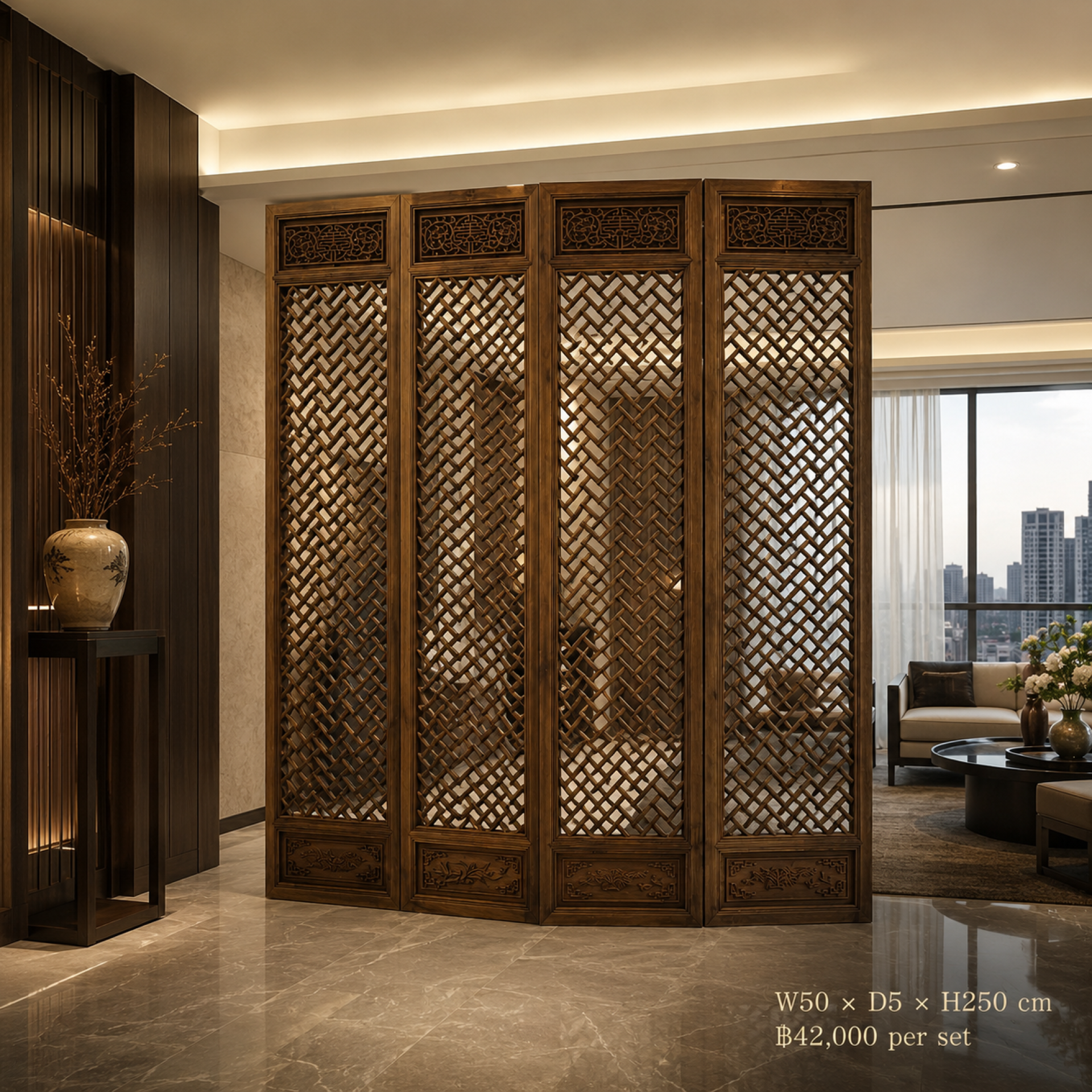
A Ming-style cabinet can sit comfortably within a minimalist penthouse. An antique sideboard can complement modern artwork and architectural lighting. A traditional partition can add depth and texture to a sleek contemporary space.
Rather than dominating a room, antique furniture often becomes the element that gives an interior its identity.
Sustainable Luxury
In an era increasingly focused on sustainability, antique furniture represents a thoughtful approach to luxury.
Choosing a piece that has already served generations extends the life of exceptional craftsmanship while reducing demand for new manufacturing. It is an investment in quality rather than quantity.
How Experts Estimate the Age of Antique Furniture
Construction Techniques
Furniture makers from different periods employed distinct woodworking methods.
Hand-cut joints, traditional joinery systems, and evidence of manual craftsmanship can provide valuable clues regarding a piece's age.
The quality of construction often reveals as much about a piece as its visual appearance.
Materials and Surface Finishes
Wood species frequently indicate particular historical periods.
Traditional lacquer craftsmanship, hand-applied finishes, and naturally aged surfaces can help specialists understand when and how furniture was produced.
Unlike artificially distressed finishes, genuine wear develops gradually and reveals itself through subtle variations across the piece.
Design Proportions
Furniture styles evolved over time.
Ming Dynasty furniture is recognized for elegant restraint and balanced proportions. Qing Dynasty pieces often feature more decorative carvings and elaborate detailing.
Understanding these characteristics helps experts place furniture within its historical context.
Styling Antique Furniture in Modern Bangkok Homes
Luxury Condominiums
Many Bangkok homeowners use a single antique cabinet as a statement piece within contemporary interiors.
Placed against neutral walls and paired with modern lighting, the furniture becomes an architectural focal point without overwhelming the space.
Pool Villas and Private Residences
Larger homes offer opportunities to incorporate antique partitions, sideboards, and console tables.
These pieces add warmth and texture while creating visual connections between indoor and outdoor living areas.
Natural stone, linen textiles, and rich wood surfaces complement the aged beauty of antique furnishings particularly well.
Boutique Hospitality Spaces
Luxury hotels, private clubs, and boutique hospitality projects increasingly incorporate Chinese antique furniture to create distinctive guest experiences.
A carefully selected antique cabinet or decorative screen introduces authenticity and sophistication that modern furnishings often struggle to achieve.
Choosing Furniture That Will Remain Beautiful for Decades
The most successful interiors are rarely built around trends.
Instead, they rely on exceptional materials, timeless proportions, and craftsmanship that remains relevant across generations.
When selecting antique furniture, focus on quality construction, visual balance, and versatility. A thoughtfully chosen piece can evolve with changing tastes while retaining its character and value.
Regular care, stable indoor conditions, and professional restoration when necessary can help preserve antique furniture for decades to come.
Conclusion
Antique furniture may be defined by age, but its lasting appeal comes from something far deeper. Craftsmanship, historical significance, remarkable materials, and enduring design all contribute to its timeless presence.
Chinese antique furniture offers a particularly compelling example of how exceptional workmanship can transcend centuries. From Ming Dynasty elegance to Qing Dynasty artistry, these pieces continue to enrich modern interiors with authenticity and character.
For homeowners, designers, and collectors seeking furniture with genuine depth and history, antique pieces remain among the most meaningful additions to a well-designed home.
Established in 1990, Chinese House specializes in authentic Chinese antique furniture, carefully crafted reproductions, and professional restoration expertise, helping preserve these remarkable traditions for future generations.
FAQ
How old does furniture need to be to be considered antique?
Furniture is generally considered antique when it is at least 100 years old. This standard is widely recognized by collectors, museums, and the antique trade.
What is the difference between antique and vintage furniture?
Antique furniture is typically over 100 years old, while vintage furniture generally refers to pieces between 20 and 99 years old.
Why is Chinese antique furniture so durable?
Chinese antique furniture often features dense hardwoods such as Huanghuali, Zitan, and Elm, combined with traditional mortise-and-tenon joinery that creates exceptional structural strength and longevity.