The Art of Placement: Feng Shui & Chinese Antique Furniture
815 Views
The Philosophy of Spatial Flow
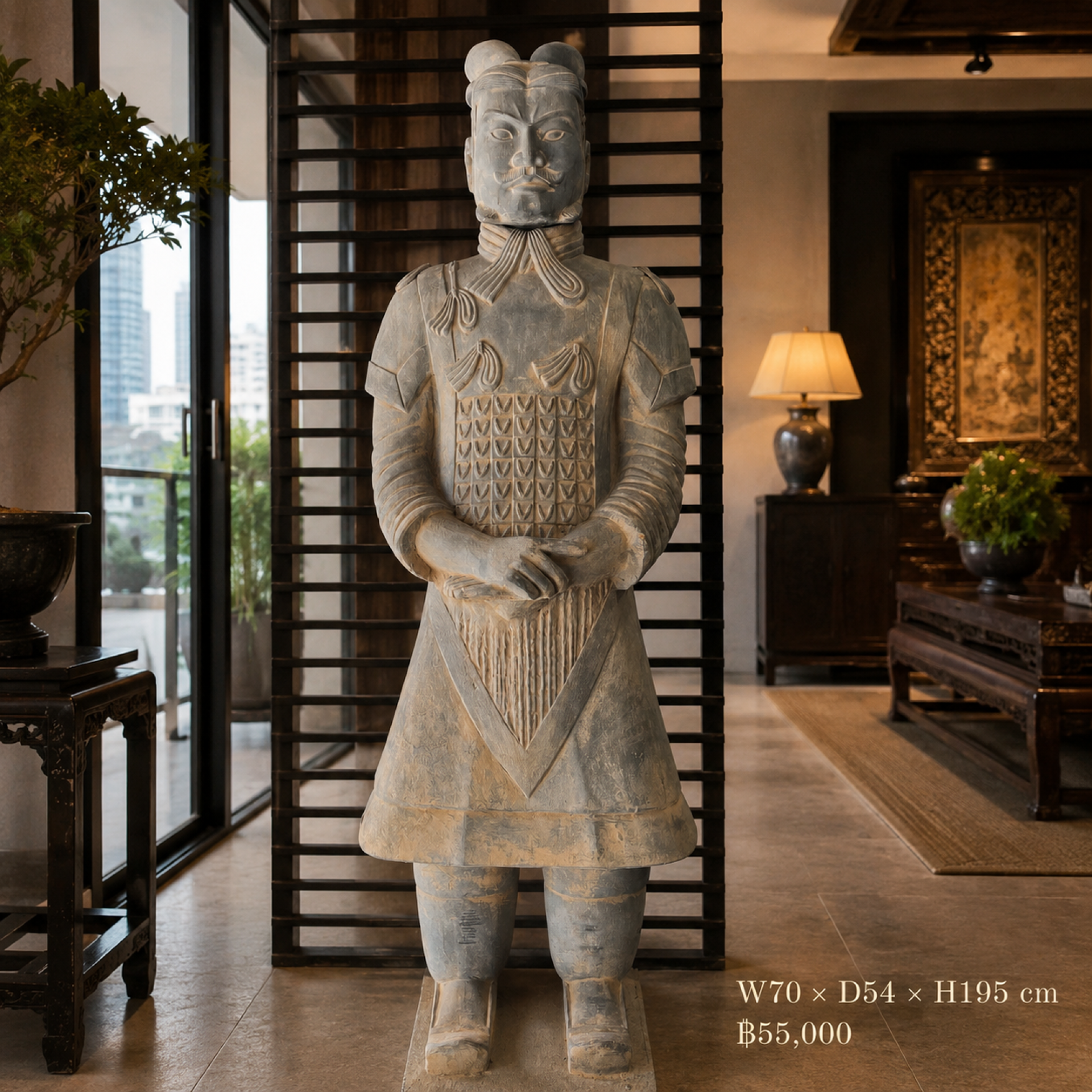
When we discuss the placement of Chinese Antique Furniture, we are discussing the movement of life within a home. Traditional Chinese design was never about clutter; it was about the deliberate use of "negative space." In a luxury Thai villa or a high-end Bangkok condo, an Antique Cabinet shouldn't be squeezed into a corner. Instead, it should be given room to "breathe," allowing the natural patina and intricate joinery to command attention.
Ming Dynasty Minimalism: The Power of the Silhouette
One of the most profound historical facts of Asian Antique Furniture is the design shift during the Ming Dynasty (1368–1644). This era favored "scholar-official" furniture, characterized by simple, fluid lines and a total lack of superfluous ornament. This minimalism was intentional, designed to showcase the exquisite grain of precious woods like Huanghuali or local Northern Elm. Placing a Ming-style console table in a minimalist entryway creates an immediate sense of calm. Its slender proportions and "ice-plate" edges provide a functional surface without heavy visual bulk, making it the ultimate choice for Vintage Furniture enthusiasts who value understated luxury.
Structural Integrity: The Sunmao Connection
True Chinese Vintage Furniture is a marvel of engineering. A defining feature is the Sunmao (Mortise-and-Tenon) joinery. This ancient technique involves interlocking wooden parts without the use of a single metal nail or glue. This allows the furniture to expand and contract with the humidity of the Thai climate without cracking—a testament to the brilliance of ancient craftsmen. When you place a heavy sideboard or a set of Antique Chairs in your dining room, you aren't just placing wood; you are placing a flexible, living structure that has survived centuries. Displaying these pieces where their silhouettes are visible against a neutral wall allows guests to appreciate the architectural honesty of their construction.
Qing Dynasty Grandeur: Creating Focal Points
In contrast to Ming simplicity, the Qing Dynasty (1644–1911) introduced a period of opulence and intricate carving. These pieces are "Visual Anchors." A large, intricately carved Antique Partition from the late Qing period serves as a magnificent room divider, creating a private "room within a room" in open-plan living areas. These partitions were historically used to shield the inner sanctum of a home from direct view, and today, they offer a sophisticated way to define a home office or a reading nook. When working with Antique Furniture Thailand collections, look for these heavier pieces to ground a room that feels too airy or disjointed.
The Harmony of Wood and Light
The choice of material—whether it be the dark, dense tones of Zitan or the warm, honeyed hues of Elm—interacts deeply with natural light. Placing a Chinese House sideboard opposite a window allows the sunlight to catch the hand-rubbed wax finish, revealing depths of color that synthetic modern finishes cannot replicate. This interaction between organic material and light is the essence of "Home Decoration" in its purest form.
Restoration and Heritage
Choosing Antique Furniture Bangkok means investing in pieces that have been carefully preserved. At Chinese House, our expert restoration process ensures that every Antique Decoration retains its historical soul while being structurally sound for modern use. We treat every joint and surface with the respect it deserves, ensuring that the legacy of the original maker lives on in your home.
Visit Our Showroom at Chatuchak
To truly understand the scale, scent, and texture of these masterpieces, one must experience them in person. We invite you to visit Chinese House at Chatuchak, Bangkok. Established in 1990, our showroom features an unparalleled collection of authentic Chinese Antique Furniture and masterfully crafted reproductions. Whether you are looking for a singular Antique Partition to redefine your space or a collection of Antique Chairs to complete a dining set, our team is here to help you master the art of placement.
FAQ Section
How do I identify authentic Chinese joinery? Look for the absence of nails. Authentic pieces use mortise-and-tenon joints, where pieces of wood fit together like a puzzle. You can often see the "tenon" (the protruding part) visible on the surface of the frame.
Can Chinese antiques work in a modern "loft-style" interior? Absolutely. The clean lines of Ming-style furniture are a perfect match for the industrial textures of concrete and steel, providing a warm, organic contrast to the cool tones of modern architecture.
Is elmwood suitable for the humid climate in Thailand? Yes. Traditional Chinese furniture made of Northern Elm is incredibly hardy. Because of the traditional joinery techniques used, the wood can breathe and move slightly with the humidity without losing its structural integrity.
When we discuss the placement of Chinese Antique Furniture, we are discussing the movement of life within a home. Traditional Chinese design was never about clutter; it was about the deliberate use of "negative space." In a luxury Thai villa or a high-end Bangkok condo, an Antique Cabinet shouldn't be squeezed into a corner. Instead, it should be given room to "breathe," allowing the natural patina and intricate joinery to command attention.
Ming Dynasty Minimalism: The Power of the Silhouette
One of the most profound historical facts of Asian Antique Furniture is the design shift during the Ming Dynasty (1368–1644). This era favored "scholar-official" furniture, characterized by simple, fluid lines and a total lack of superfluous ornament. This minimalism was intentional, designed to showcase the exquisite grain of precious woods like Huanghuali or local Northern Elm. Placing a Ming-style console table in a minimalist entryway creates an immediate sense of calm. Its slender proportions and "ice-plate" edges provide a functional surface without heavy visual bulk, making it the ultimate choice for Vintage Furniture enthusiasts who value understated luxury.
Structural Integrity: The Sunmao Connection
True Chinese Vintage Furniture is a marvel of engineering. A defining feature is the Sunmao (Mortise-and-Tenon) joinery. This ancient technique involves interlocking wooden parts without the use of a single metal nail or glue. This allows the furniture to expand and contract with the humidity of the Thai climate without cracking—a testament to the brilliance of ancient craftsmen. When you place a heavy sideboard or a set of Antique Chairs in your dining room, you aren't just placing wood; you are placing a flexible, living structure that has survived centuries. Displaying these pieces where their silhouettes are visible against a neutral wall allows guests to appreciate the architectural honesty of their construction.
Qing Dynasty Grandeur: Creating Focal Points
In contrast to Ming simplicity, the Qing Dynasty (1644–1911) introduced a period of opulence and intricate carving. These pieces are "Visual Anchors." A large, intricately carved Antique Partition from the late Qing period serves as a magnificent room divider, creating a private "room within a room" in open-plan living areas. These partitions were historically used to shield the inner sanctum of a home from direct view, and today, they offer a sophisticated way to define a home office or a reading nook. When working with Antique Furniture Thailand collections, look for these heavier pieces to ground a room that feels too airy or disjointed.
The Harmony of Wood and Light
The choice of material—whether it be the dark, dense tones of Zitan or the warm, honeyed hues of Elm—interacts deeply with natural light. Placing a Chinese House sideboard opposite a window allows the sunlight to catch the hand-rubbed wax finish, revealing depths of color that synthetic modern finishes cannot replicate. This interaction between organic material and light is the essence of "Home Decoration" in its purest form.
Restoration and Heritage
Choosing Antique Furniture Bangkok means investing in pieces that have been carefully preserved. At Chinese House, our expert restoration process ensures that every Antique Decoration retains its historical soul while being structurally sound for modern use. We treat every joint and surface with the respect it deserves, ensuring that the legacy of the original maker lives on in your home.
Visit Our Showroom at Chatuchak
To truly understand the scale, scent, and texture of these masterpieces, one must experience them in person. We invite you to visit Chinese House at Chatuchak, Bangkok. Established in 1990, our showroom features an unparalleled collection of authentic Chinese Antique Furniture and masterfully crafted reproductions. Whether you are looking for a singular Antique Partition to redefine your space or a collection of Antique Chairs to complete a dining set, our team is here to help you master the art of placement.
FAQ Section
How do I identify authentic Chinese joinery? Look for the absence of nails. Authentic pieces use mortise-and-tenon joints, where pieces of wood fit together like a puzzle. You can often see the "tenon" (the protruding part) visible on the surface of the frame.
Can Chinese antiques work in a modern "loft-style" interior? Absolutely. The clean lines of Ming-style furniture are a perfect match for the industrial textures of concrete and steel, providing a warm, organic contrast to the cool tones of modern architecture.
Is elmwood suitable for the humid climate in Thailand? Yes. Traditional Chinese furniture made of Northern Elm is incredibly hardy. Because of the traditional joinery techniques used, the wood can breathe and move slightly with the humidity without losing its structural integrity.
Related Content
Antique furniture carries a unique presence that few modern pieces can replicate. While many people associate antique furniture with elegance and heritage, one question often arises: how old does furniture need to be before it becomes truly antique?
When you bring a piece of authentic Chinese Antique Furniture into your home, you are acquiring much more than a stunning visual focal point. You are inviting centuries of profound cultural philosophy, auspicious symbolism, and grounding Feng Shui energy into your living space.
The minimalist aesthetic has dominated luxury interior design for years, promising a serene, uncluttered lifestyle. However, many homeowners unknowingly fall into a common trap. In an attempt to warm up a sterile, "empty" modern room, they begin slowly accumulating small, trendy decor items.
