A Timeless Blend: Pairing Antique & Modern Decor
1089 Views
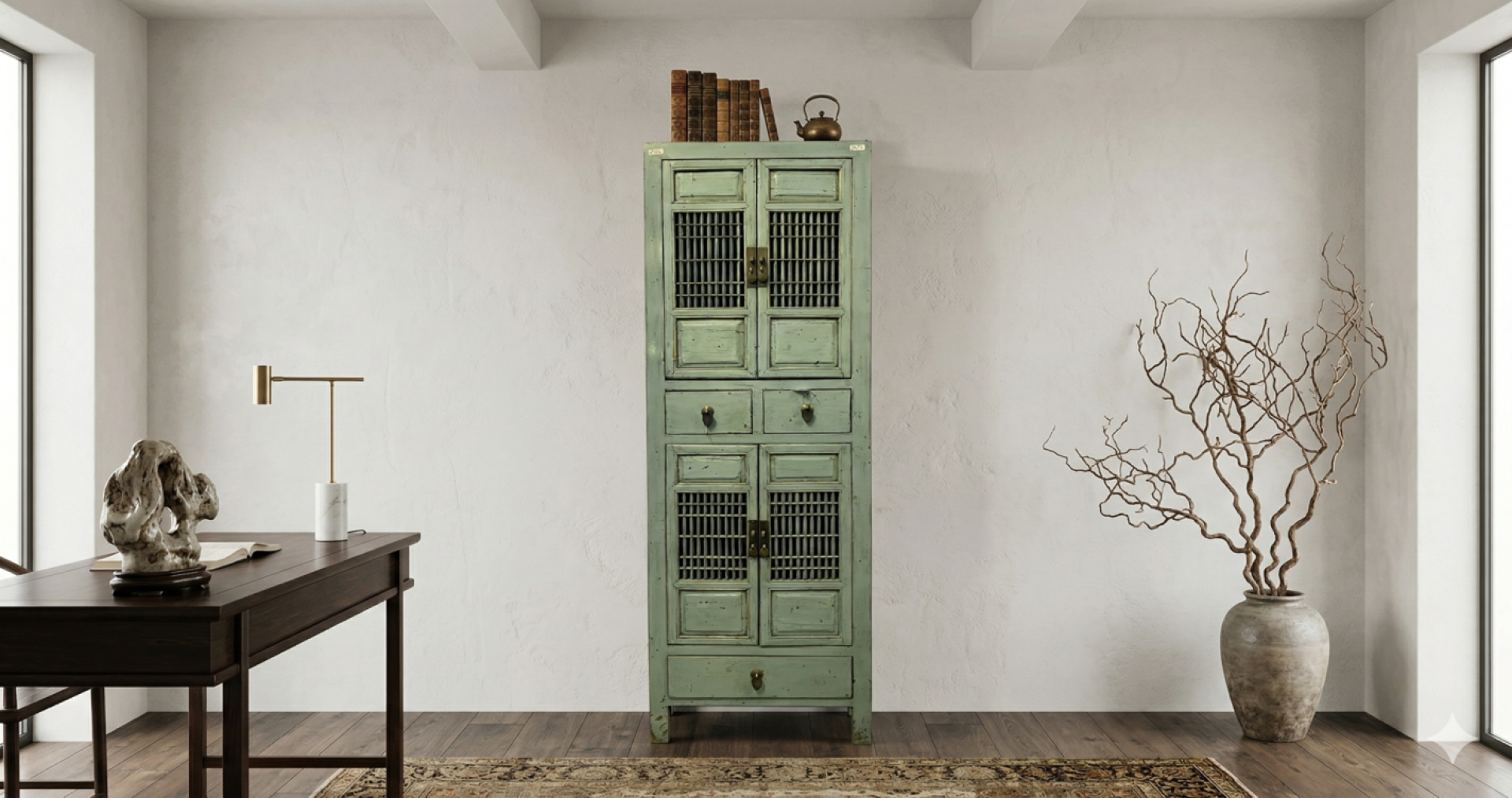
The most captivating luxury homes are never one-dimensional. Instead of looking like a page torn from a contemporary catalog, they tell a deeply personal story. For expatriates and design aficionados outfitting elite spaces in Thailand, learning how to pair antique furniture with modern decor is the ultimate secret weapon. It is the sophisticated art of mixing centuries-old Chinese heritage with 21st-century minimalism, creating a space that feels curated, worldly, and profoundly luxurious.
When you bring a historical oriental piece into a contemporary setting, you create a breathtaking visual tension. The stark, cold lines of modern architecture are instantly warmed by the soulful patina of ancient wood. Today, we delve into the designer-approved rules for mixing eras, helping you achieve a timeless blend that elevates your living space from simply beautiful to utterly unforgettable.
The Art of the Mix: Why Contrast Works
In high-end interior design, matching everything perfectly can actually make a room feel flat and sterile. The magic happens in the juxtaposition. Chinese antique furniture, with its rich, natural sap lacquers and masterful mortise-and-tenon joinery, provides a grounded, organic counterpoint to the sleek, manufactured finishes of modern design. It is this exact contrast—the ancient rubbing shoulders with the avant-garde—that gives a room its pulse.
3 Rules for Pairing Antiques with Contemporary Decor
To ensure your home feels like an intentional fusion rather than a chaotic thrift shop, follow these three guiding principles:
1. Contrast Textures (Wood vs. Glass and Metal)
Opposites attract in interior styling. If you have a highly textured, unpainted Northern Elm (Jumu) antique cabinet, pair it with ultra-smooth modern materials.
Place a Ming-style horseshoe chair next to a sleek, polished chrome or tinted-glass side table.
Position a modern, brushed-brass floor lamp right next to a heavily carved Qing dynasty dark wood console. The metallic sheen of the modern fixture will highlight the depth of the ancient carvings.
2. Bridge the Eras with Abstract Art
One of the most effective ways to pull an antique firmly into the present day is through art. Avoid hanging traditional or vintage-looking art above an antique piece, as this can make the corner look like a museum exhibit.
Instead, hang a massive, bold, abstract contemporary painting directly above a traditional Chinese altar table. The vivid colors and chaotic modern brushstrokes create a stunning, high-fashion dialogue with the disciplined, ancient architecture of the table below.
3. The Principle of Isolation
When integrating historical pieces into a sleek Bangkok penthouse or a modern pool villa, resist the urge to cluster them together.
Antiques need breathing room. If you place a magnificent red-lacquered wedding cabinet in your living room, let it stand alone against a minimalist wall. Surround it with modern "negative space" so its silhouette can be fully appreciated. Let the antique be the undisputed hero of that specific sightline.
Effortless Pairing Ideas for Your Luxury Home
Ready to experiment? Here are some foolproof pairings that top designers use to create a flawless transitional aesthetic:
The Living Room: A raw, wave-grained antique trunk used as a coffee table, surrounded by a low-profile, modular white bouclé sofa.
The Foyer: A traditional Chinese apothecary chest paired with a frameless, asymmetrical contemporary mirror hanging above it.
The Dining Area: A sleek, modern marble dining table surrounded by highly architectural, antique Ming-style dining chairs.
By thoughtfully pairing Chinese antique furniture with modern decor, you bridge the gap between ancient dynastic elegance and contemporary luxury, creating a living environment that is truly timeless.
When you bring a historical oriental piece into a contemporary setting, you create a breathtaking visual tension. The stark, cold lines of modern architecture are instantly warmed by the soulful patina of ancient wood. Today, we delve into the designer-approved rules for mixing eras, helping you achieve a timeless blend that elevates your living space from simply beautiful to utterly unforgettable.
The Art of the Mix: Why Contrast Works
In high-end interior design, matching everything perfectly can actually make a room feel flat and sterile. The magic happens in the juxtaposition. Chinese antique furniture, with its rich, natural sap lacquers and masterful mortise-and-tenon joinery, provides a grounded, organic counterpoint to the sleek, manufactured finishes of modern design. It is this exact contrast—the ancient rubbing shoulders with the avant-garde—that gives a room its pulse.
3 Rules for Pairing Antiques with Contemporary Decor
To ensure your home feels like an intentional fusion rather than a chaotic thrift shop, follow these three guiding principles:
1. Contrast Textures (Wood vs. Glass and Metal)
Opposites attract in interior styling. If you have a highly textured, unpainted Northern Elm (Jumu) antique cabinet, pair it with ultra-smooth modern materials.
Place a Ming-style horseshoe chair next to a sleek, polished chrome or tinted-glass side table.
Position a modern, brushed-brass floor lamp right next to a heavily carved Qing dynasty dark wood console. The metallic sheen of the modern fixture will highlight the depth of the ancient carvings.
2. Bridge the Eras with Abstract Art
One of the most effective ways to pull an antique firmly into the present day is through art. Avoid hanging traditional or vintage-looking art above an antique piece, as this can make the corner look like a museum exhibit.
Instead, hang a massive, bold, abstract contemporary painting directly above a traditional Chinese altar table. The vivid colors and chaotic modern brushstrokes create a stunning, high-fashion dialogue with the disciplined, ancient architecture of the table below.
3. The Principle of Isolation
When integrating historical pieces into a sleek Bangkok penthouse or a modern pool villa, resist the urge to cluster them together.
Antiques need breathing room. If you place a magnificent red-lacquered wedding cabinet in your living room, let it stand alone against a minimalist wall. Surround it with modern "negative space" so its silhouette can be fully appreciated. Let the antique be the undisputed hero of that specific sightline.
Effortless Pairing Ideas for Your Luxury Home
Ready to experiment? Here are some foolproof pairings that top designers use to create a flawless transitional aesthetic:
The Living Room: A raw, wave-grained antique trunk used as a coffee table, surrounded by a low-profile, modular white bouclé sofa.
The Foyer: A traditional Chinese apothecary chest paired with a frameless, asymmetrical contemporary mirror hanging above it.
The Dining Area: A sleek, modern marble dining table surrounded by highly architectural, antique Ming-style dining chairs.
By thoughtfully pairing Chinese antique furniture with modern decor, you bridge the gap between ancient dynastic elegance and contemporary luxury, creating a living environment that is truly timeless.
Related Content
Integrating Chinese Antique Furniture into your living space goes far beyond mere aesthetics; it is a profound way to invite balanced energy and timeless elegance into your daily life. For centuries, the placement of furnishings has been guided by the principles of Feng Shui, an ancient philosophy designed to harmonize individuals with their surrounding environment. When you select pieces that carry history and masterful craftsmanship, you naturally elevate the energetic vibration of your home.
Whether you reside in a modern condominium or a spacious villa, blending the old with the new creates a sophisticated sanctuary. By understanding how to position Vintage Furniture thoughtfully, you can cultivate a flow of positive "Chi" (energy) that enhances prosperity, health, and tranquility.
When furnishing a luxury penthouse in Bangkok or a sprawling pool villa in Phuket, true connoisseurs know that buying furniture should be more than a decorative expense—it should be a strategic acquisition. As modern, mass-produced pieces depreciate the moment they are delivered, authentic heritage items move in the opposite direction. But for those ready to elevate their living spaces, a critical question remains: what antique furniture is worth the money?
Maintaining the timeless elegance of Chinese Antique Furniture requires a delicate touch and a true appreciation for historical craftsmanship. Whether you are a seasoned collector or have recently acquired a stunning legacy piece to elevate your space, knowing how to properly care for these historical treasures ensures they will last for generations to come.
Unlike modern factory-made items, every curve, joint, and patina on these pieces tells a rich story. Proper maintenance goes beyond simple cleaning; it is an act of preserving history. In this comprehensive guide, we will explore the essential dos and don'ts of maintaining your cherished collection, ensuring your magnificent investments retain both their breathtaking beauty and intrinsic value.
