Investing in Chinese Antique Furniture: Worth the Money
When furnishing a luxury penthouse in Bangkok or a sprawling pool villa in Phuket, true connoisseurs know that buying furniture should be more than a decorative expense—it should be a strategic acquisition. As modern, mass-produced pieces depreciate the moment they are delivered, authentic heritage items move in the opposite direction. But for those ready to elevate their living spaces, a critical question remains: what antique furniture is worth the money?
Investing in timelessness requires an understanding of what makes a piece appreciate in both aesthetic value and financial worth. Chinese antique furniture, with its profound history and architectural brilliance, is considered one of the most stable and rewarding lifestyle assets in the high-end design world. Today, we break down the anatomy of an investment-grade oriental antique and highlight the specific masterpieces that promise to enrich your home and your portfolio.
The Anatomy of an Investment-Grade Antique
Not all old furniture is created equal. To ensure your acquisition is truly worth the investment, it must possess specific historical and structural hallmarks.
1. Precious, Finite Hardwoods (The Gold Standard)
The intrinsic value of a Chinese antique is deeply tied to its material. Centuries ago, master artisans utilized magnificent, slow-growing hardwoods that are incredibly rare today.
The Elite Tier: Woods like Huanghuali and Zitan from the Ming and early Qing dynasties are the ultimate investment. Their dense, luminescent grains are highly coveted globally.
The Accessible Luxury: Northern Elm (Jumu) and Walnut pieces offer excellent investment value. Known for their striking, wave-like grain patterns, these woods provide a warm, organic aesthetic that is currently in massive demand among modern interior designers.
2. Architectural Purity (Mortise and Tenon Joinery)
An antique is only worth the money if it can survive for generations. Authentic Chinese pieces were engineered utilizing complex mortise-and-tenon joinery—built entirely without iron nails or modern glues. This brilliant, nail-free construction allows the wood to breathe and flex with changing humidity, guaranteeing its structural integrity and long-term value, especially in Thailand’s tropical climate.
Which Specific Pieces Are Worth the Investment?
If you are looking to start or expand your collection of heritage assets, focus on these highly sought-after categories:
The Majestic Wedding Cabinet: Standing tall and commanding attention, authentic wedding cabinets are spectacular statement pieces. Beyond their robust storage capabilities, their large, unblemished wood panels showcase the artisan's skill and the timber's natural beauty, making them highly liquid assets in the luxury market.
The Scholar’s Desk: As the modern trend of elegant home offices continues to rise, antique Chinese scholar's desks have seen a massive surge in value. Their minimalist, ergonomic designs not only boost focus and intellect (a key Feng Shui benefit) but also serve as exquisite, functional investments.
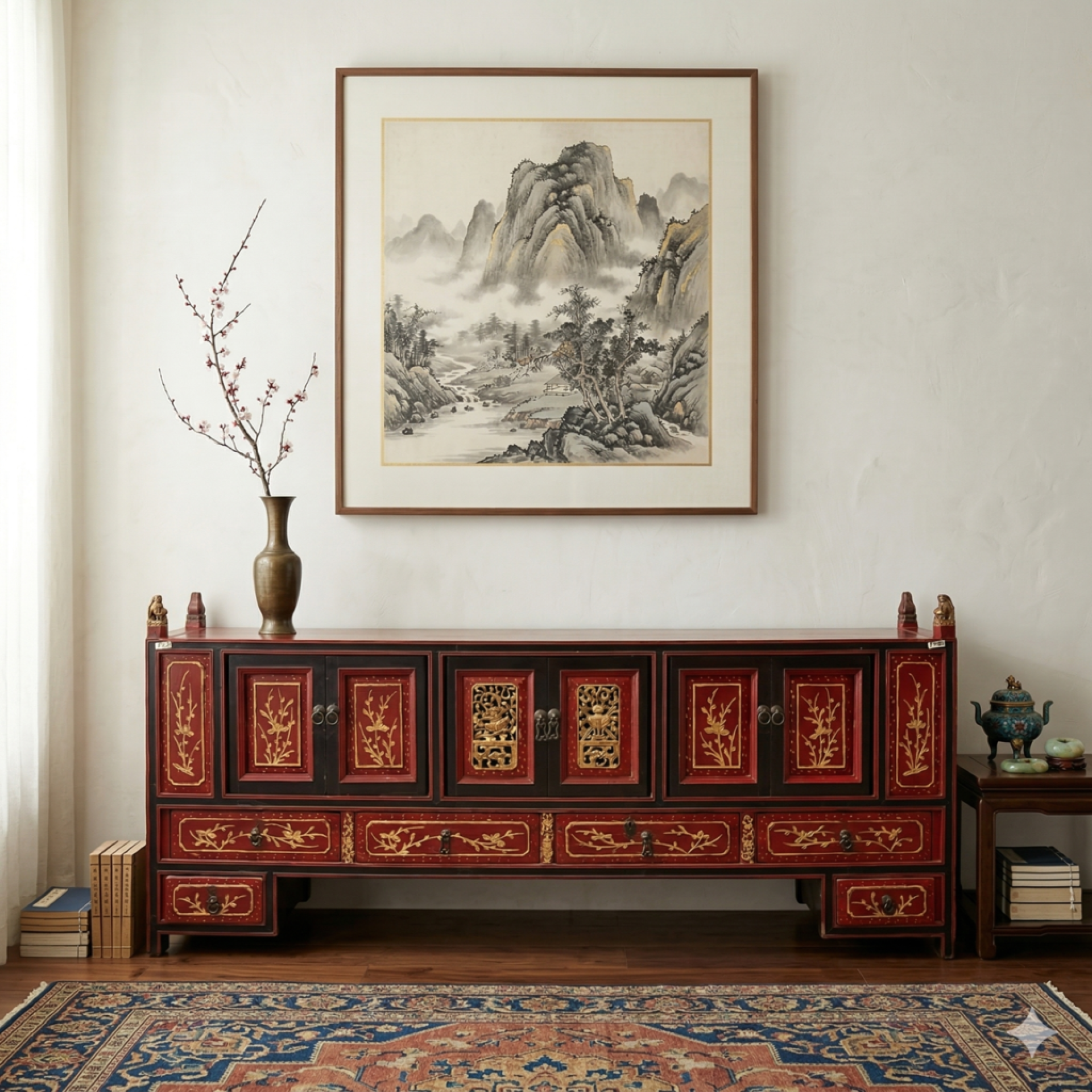
The Versatile Altar Table: Because of their narrow profiles and striking silhouettes, beautifully lacquered altar tables are incredibly easy to integrate into contemporary condos as foyer consoles or sofa tables. High versatility directly translates to sustained high demand.
The Dividend of Daily Luxury
While the financial appreciation and rarity of Chinese antique furniture make it a brilliant asset class, the true return on investment is immediate. The moment a centuries-old, nail-free masterpiece enters your home, it anchors the space with profound Yang energy, sparking conversations and radiating an aura of worldly sophistication. You are not just buying a piece of wood; you are investing in an unreplicable legacy that you get to live with, touch, and admire every single day.