Antiques in Modern Design: The Ultimate High-End Luxury Trend
727 Views
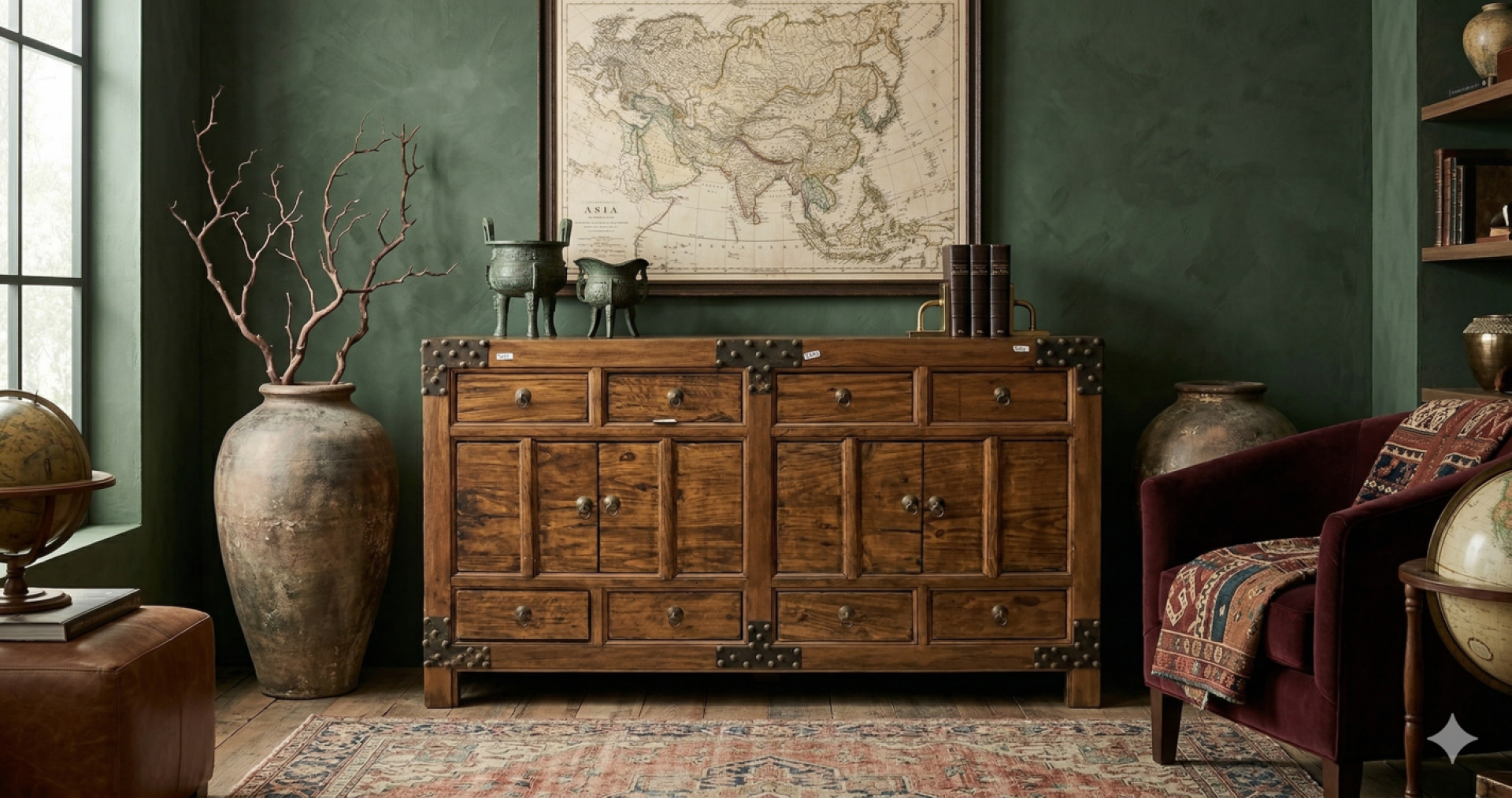
In a world of fast-moving trends and mass-produced furniture, the most prestigious interior designers are turning to the past to define the future. Authentic Chinese antique furniture has seen a massive surge in demand within modern design circles, particularly among those outfitting luxury penthouses and tropical villas in Thailand. While minimalism once favored the "new," the current shift toward curated luxury places heritage pieces at the very center of the home.
Whether you are looking to ground a sleek, glass-walled Bangkok condo or add a soulful focal point to a minimalist retreat, authentic antiques provide a level of sophistication that "showroom" furniture simply cannot achieve. Today, we explore why these dynastic masterpieces are more coveted now than ever before and how they serve as the ultimate disruptor in high-end modern decor.
The Shift Toward "Curated Luxury"
The modern luxury market has moved away from the sterile, "factory-perfect" look. Today’s affluent homeowners in Thailand seek environments that feel lived-in, storied, and entirely unique. This is where the demand for authentic Chinese antique furniture becomes undeniable.
1. Solving the "Sterile" Modern Problem
Contemporary architecture—with its concrete, steel, and expansive glass—can often feel cold. An antique piece, such as a 19th-century Northern Elm (Jumu) cabinet or a deeply lacquered altar table, introduces organic warmth. The "soulful patina"—the natural wear and luster developed over a century—provides a tactile history that softens sharp modern lines.
2. The Power of "Design Contrast"
High-end design is no longer about matching sets; it is about the "Eclectic Mix."
The Living Room: A vibrant cinnabar-red wedding cabinet placed against a minimalist gray wall creates a high-fashion visual tension.
The Entryway: A majestic, nail-free console table serves as an architectural anchor, signaling to guests that this is a home of culture and substance.
The Home Office: Replacing a generic desk with a Ming-style scholar's desk elevates the workspace to a place of intellectual authority.
Scarcity as the New Gold Standard
In the age of digital reproduction, "authenticity" is the rarest commodity. The demand for Chinese antiques remains high because they are a finite resource.
Historical Scarcity: No more genuine Ming or Qing dynasty pieces will ever be created. Owning one is akin to owning a piece of history that continues to appreciate in both aesthetic and financial value.
Nail-Free Mastery: The architectural brilliance of traditional mortise-and-tenon joinery is a lost art. In Thailand’s tropical climate, this ancient engineering is superior to modern furniture, as it allows the wood to breathe and flex naturally.
Sustainability: The Ethical Choice for Elite Design
Today's luxury buyers are increasingly conscious of their environmental footprint. Choosing an antique is the ultimate act of sustainable luxury. Rather than contributing to the cycle of new resource extraction and industrial waste, you are preserving a historical masterpiece. You are giving a second life to a piece of furniture that has already proven its durability by surviving a century or more.
A Legacy for the Modern Home
Integrating authentic Chinese antiques into your modern decor is not just about following a trend; it is about making a statement of permanence. In a fast-paced city like Bangkok, these pieces act as anchors of tranquility and stability. They are not merely objects—they are the soul of the modern luxury residence.
Whether you are looking to ground a sleek, glass-walled Bangkok condo or add a soulful focal point to a minimalist retreat, authentic antiques provide a level of sophistication that "showroom" furniture simply cannot achieve. Today, we explore why these dynastic masterpieces are more coveted now than ever before and how they serve as the ultimate disruptor in high-end modern decor.
The Shift Toward "Curated Luxury"
The modern luxury market has moved away from the sterile, "factory-perfect" look. Today’s affluent homeowners in Thailand seek environments that feel lived-in, storied, and entirely unique. This is where the demand for authentic Chinese antique furniture becomes undeniable.
1. Solving the "Sterile" Modern Problem
Contemporary architecture—with its concrete, steel, and expansive glass—can often feel cold. An antique piece, such as a 19th-century Northern Elm (Jumu) cabinet or a deeply lacquered altar table, introduces organic warmth. The "soulful patina"—the natural wear and luster developed over a century—provides a tactile history that softens sharp modern lines.
2. The Power of "Design Contrast"
High-end design is no longer about matching sets; it is about the "Eclectic Mix."
The Living Room: A vibrant cinnabar-red wedding cabinet placed against a minimalist gray wall creates a high-fashion visual tension.
The Entryway: A majestic, nail-free console table serves as an architectural anchor, signaling to guests that this is a home of culture and substance.
The Home Office: Replacing a generic desk with a Ming-style scholar's desk elevates the workspace to a place of intellectual authority.
Scarcity as the New Gold Standard
In the age of digital reproduction, "authenticity" is the rarest commodity. The demand for Chinese antiques remains high because they are a finite resource.
Historical Scarcity: No more genuine Ming or Qing dynasty pieces will ever be created. Owning one is akin to owning a piece of history that continues to appreciate in both aesthetic and financial value.
Nail-Free Mastery: The architectural brilliance of traditional mortise-and-tenon joinery is a lost art. In Thailand’s tropical climate, this ancient engineering is superior to modern furniture, as it allows the wood to breathe and flex naturally.
Sustainability: The Ethical Choice for Elite Design
Today's luxury buyers are increasingly conscious of their environmental footprint. Choosing an antique is the ultimate act of sustainable luxury. Rather than contributing to the cycle of new resource extraction and industrial waste, you are preserving a historical masterpiece. You are giving a second life to a piece of furniture that has already proven its durability by surviving a century or more.
A Legacy for the Modern Home
Integrating authentic Chinese antiques into your modern decor is not just about following a trend; it is about making a statement of permanence. In a fast-paced city like Bangkok, these pieces act as anchors of tranquility and stability. They are not merely objects—they are the soul of the modern luxury residence.
Related Content
When outfitting a luxury living space in Thailand—whether it is a sun-drenched pool villa or a high-altitude Bangkok penthouse—the desire to incorporate meaningful, historical art is paramount. However, when searching for "authentic Chinese antique furniture near me," discerning expats and homeowners often realize they are not just looking for a retail store; they are seeking a trusted custodian of history.
In an era of fast-moving design trends and mass-produced interiors, true luxury is defined by permanence. For discerning homeowners and expatriates outfitting prestigious properties in Thailand, the timeless appeal of Chinese antique furniture offers an exquisite escape from the ordinary. Purchasing a centuries-old cabinet or an intricately carved console is no longer just a decorative choice; it is a strategic acquisition.
In the world of elite interior design, the loudest statement is often made in a whisper. Quiet luxury—the global movement celebrating understated elegance, unparalleled quality, and historical depth—has found its most authentic expression in Chinese antique furniture. For expatriates and discerning homeowners in Thailand, moving away from "trendy" flash toward pieces with a soulful, dynastic heritage is the ultimate mark of a curated life.
