Quiet Luxury: The Timeless Appeal of Chinese Antique Furniture
858 Views
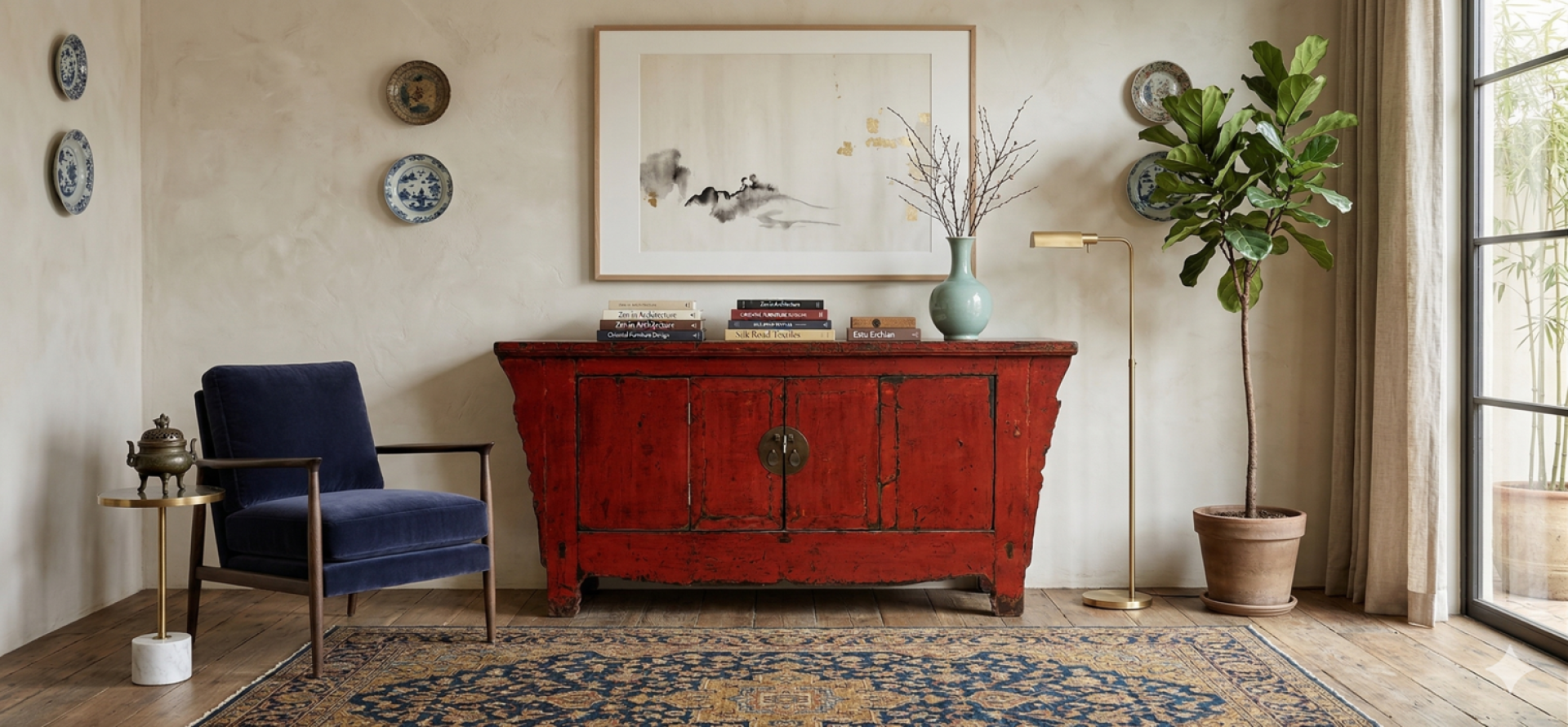
In the world of elite interior design, the loudest statement is often made in a whisper. Quiet luxury—the global movement celebrating understated elegance, unparalleled quality, and historical depth—has found its most authentic expression in Chinese antique furniture. For expatriates and discerning homeowners in Thailand, moving away from "trendy" flash toward pieces with a soulful, dynastic heritage is the ultimate mark of a curated life.
An authentic Chinese antique doesn't shout for attention; it commands the room through its architectural silhouette and the visible history in its grain. Whether you are outfitting a minimalist penthouse in Sukhumvit or a sprawling villa in Phuket, integrating these masterpieces is about more than decor—it is about anchoring your home in a legacy of timelessness. Today, we explore why Chinese heritage pieces are the definitive choice for the quiet luxury aesthetic.
Understated Sophistication: The Philosophy of Quiet Luxury
The "Quiet Luxury" movement is defined by a rejection of logomania and mass-produced flash. It prioritizes the "if you know, you know" factor. Chinese antique furniture, particularly from the Ming and Qing dynasties, embodies this philosophy perfectly. These pieces were designed for scholars, nobles, and the imperial elite—individuals who valued intellectual depth and subtle craftsmanship over gaudy displays.
Excellence Without Ego
True luxury is found in the details that aren't immediately obvious. In a Chinese antique, this is seen in the mortise and tenon joinery. These pieces were engineered to stay together for centuries without a single metal nail or drop of glue. To the untrained eye, it is a beautiful cabinet; to the connoisseur, it is a triumph of ancient engineering. This invisible excellence is the heartbeat of quiet luxury.
The Materiality of Timelessness
One cannot achieve quiet luxury with synthetic materials. The aesthetic requires the tactile warmth and visual complexity of natural elements.
The Soul of Aged Timber: Premium hardwoods like Northern Elm (Jumu), Walnut, and Cypress possess a natural luster that only deepens with age. The "patina"—that soft, glowing sheen developed over a century of use—tells a story of resilience and grace.
Organic Textures: In a modern glass-and-steel condominium, the raw, swirling grain of an antique altar table provides a much-needed organic counterpoint. It grounds the space, making the environment feel more human and stable.
Architectural Integrity: Ming Minimalism
Long before Western modernism took hold, Chinese artisans were mastering the art of the clean line.
The Ming Silhouette: Celebrated for its breathtakingly simple geometry, Ming-style furniture is the ancestor of modern minimalism. Its sweeping "horseshoe" curves and slender, tapered legs offer a visual lightness that feels incredibly current.
A Modern Anchor: Because these designs are so structurally pure, they don't clash with contemporary decor; they elevate it. A Ming-style scholar's desk in a home office doesn't just provide a workspace—it provides a sense of authority and calm.
Styling Quiet Luxury in Your Residence
To achieve the quiet luxury look, the integration of antiques should feel effortless. Here are a few ways top designers in Thailand are utilizing Chinese heritage pieces:
The Singular Statement: Place one high-impact piece, like a vibrant cinnabar-red lacquered wedding cabinet, in an otherwise neutral, monochromatic room. Let the color and history of the antique provide the "pop" rather than synthetic accessories.
Functional Heritage: Use an ancient merchant's trunk as a coffee table. It offers practical storage while serving as a heavy, grounded center for your living room layout.
Symmetry and Flow: In the dining area, pair a modern marble table with a set of high-backed antique dining chairs. The contrast between the cold stone and the warm, historic wood creates a sophisticated dialogue that feels both expensive and comfortable.
Quiet luxury is about surrounding yourself with things that have earned their place in time. By choosing a Chinese antique, you are not just buying furniture—คุณกำลังครอบครองส่วนหนึ่งของประวัติศาสตร์—you are acquiring a piece of history that will continue to resonate with elegance for generations to come.
An authentic Chinese antique doesn't shout for attention; it commands the room through its architectural silhouette and the visible history in its grain. Whether you are outfitting a minimalist penthouse in Sukhumvit or a sprawling villa in Phuket, integrating these masterpieces is about more than decor—it is about anchoring your home in a legacy of timelessness. Today, we explore why Chinese heritage pieces are the definitive choice for the quiet luxury aesthetic.
Understated Sophistication: The Philosophy of Quiet Luxury
The "Quiet Luxury" movement is defined by a rejection of logomania and mass-produced flash. It prioritizes the "if you know, you know" factor. Chinese antique furniture, particularly from the Ming and Qing dynasties, embodies this philosophy perfectly. These pieces were designed for scholars, nobles, and the imperial elite—individuals who valued intellectual depth and subtle craftsmanship over gaudy displays.
Excellence Without Ego
True luxury is found in the details that aren't immediately obvious. In a Chinese antique, this is seen in the mortise and tenon joinery. These pieces were engineered to stay together for centuries without a single metal nail or drop of glue. To the untrained eye, it is a beautiful cabinet; to the connoisseur, it is a triumph of ancient engineering. This invisible excellence is the heartbeat of quiet luxury.
The Materiality of Timelessness
One cannot achieve quiet luxury with synthetic materials. The aesthetic requires the tactile warmth and visual complexity of natural elements.
The Soul of Aged Timber: Premium hardwoods like Northern Elm (Jumu), Walnut, and Cypress possess a natural luster that only deepens with age. The "patina"—that soft, glowing sheen developed over a century of use—tells a story of resilience and grace.
Organic Textures: In a modern glass-and-steel condominium, the raw, swirling grain of an antique altar table provides a much-needed organic counterpoint. It grounds the space, making the environment feel more human and stable.
Architectural Integrity: Ming Minimalism
Long before Western modernism took hold, Chinese artisans were mastering the art of the clean line.
The Ming Silhouette: Celebrated for its breathtakingly simple geometry, Ming-style furniture is the ancestor of modern minimalism. Its sweeping "horseshoe" curves and slender, tapered legs offer a visual lightness that feels incredibly current.
A Modern Anchor: Because these designs are so structurally pure, they don't clash with contemporary decor; they elevate it. A Ming-style scholar's desk in a home office doesn't just provide a workspace—it provides a sense of authority and calm.
Styling Quiet Luxury in Your Residence
To achieve the quiet luxury look, the integration of antiques should feel effortless. Here are a few ways top designers in Thailand are utilizing Chinese heritage pieces:
The Singular Statement: Place one high-impact piece, like a vibrant cinnabar-red lacquered wedding cabinet, in an otherwise neutral, monochromatic room. Let the color and history of the antique provide the "pop" rather than synthetic accessories.
Functional Heritage: Use an ancient merchant's trunk as a coffee table. It offers practical storage while serving as a heavy, grounded center for your living room layout.
Symmetry and Flow: In the dining area, pair a modern marble table with a set of high-backed antique dining chairs. The contrast between the cold stone and the warm, historic wood creates a sophisticated dialogue that feels both expensive and comfortable.
Quiet luxury is about surrounding yourself with things that have earned their place in time. By choosing a Chinese antique, you are not just buying furniture—คุณกำลังครอบครองส่วนหนึ่งของประวัติศาสตร์—you are acquiring a piece of history that will continue to resonate with elegance for generations to come.
Related Content
For the global citizen living in Thailand, the search for authentic antique Asian furniture often feels like a journey through an endless labyrinth of replicas and mass-produced imitations. While Bangkok is a renowned hub for interior design, finding pieces that possess true historical soul and architectural integrity is a rare feat. You aren’t just looking for a table or a cabinet; you are seeking a legacy that grounds your modern residence with a sense of permanence and worldly prestige.
In a world where furniture is often treated as disposable fashion, Chinese antique furniture stands as a defiant witness to history. For the discerning homeowner in Bangkok or Phuket, these pieces are rarely "just decor." To the trained eye, a 19th-century cabinet or a Ming-style altar table is a carefully coded map of blessings, status, and energetic alignment.
When furnishing a luxury penthouse in Bangkok or a sprawling pool villa in Phuket, true connoisseurs know that buying furniture should be more than a decorative expense—it should be a strategic acquisition. As modern, mass-produced pieces depreciate the moment they are delivered, authentic heritage items move in the opposite direction. But for those ready to elevate their living spaces, a critical question remains: what antique furniture is worth the money?
