Timeless Appeal: Invest in Chinese Antique Furniture
The Allure of Heritage Artistry
What makes an object truly timeless? It is the intersection of breathtaking design and masterful execution. The creators of premium Vintage Furniture during the Ming and Qing dynasties did not build for the moment—they built for eternity.
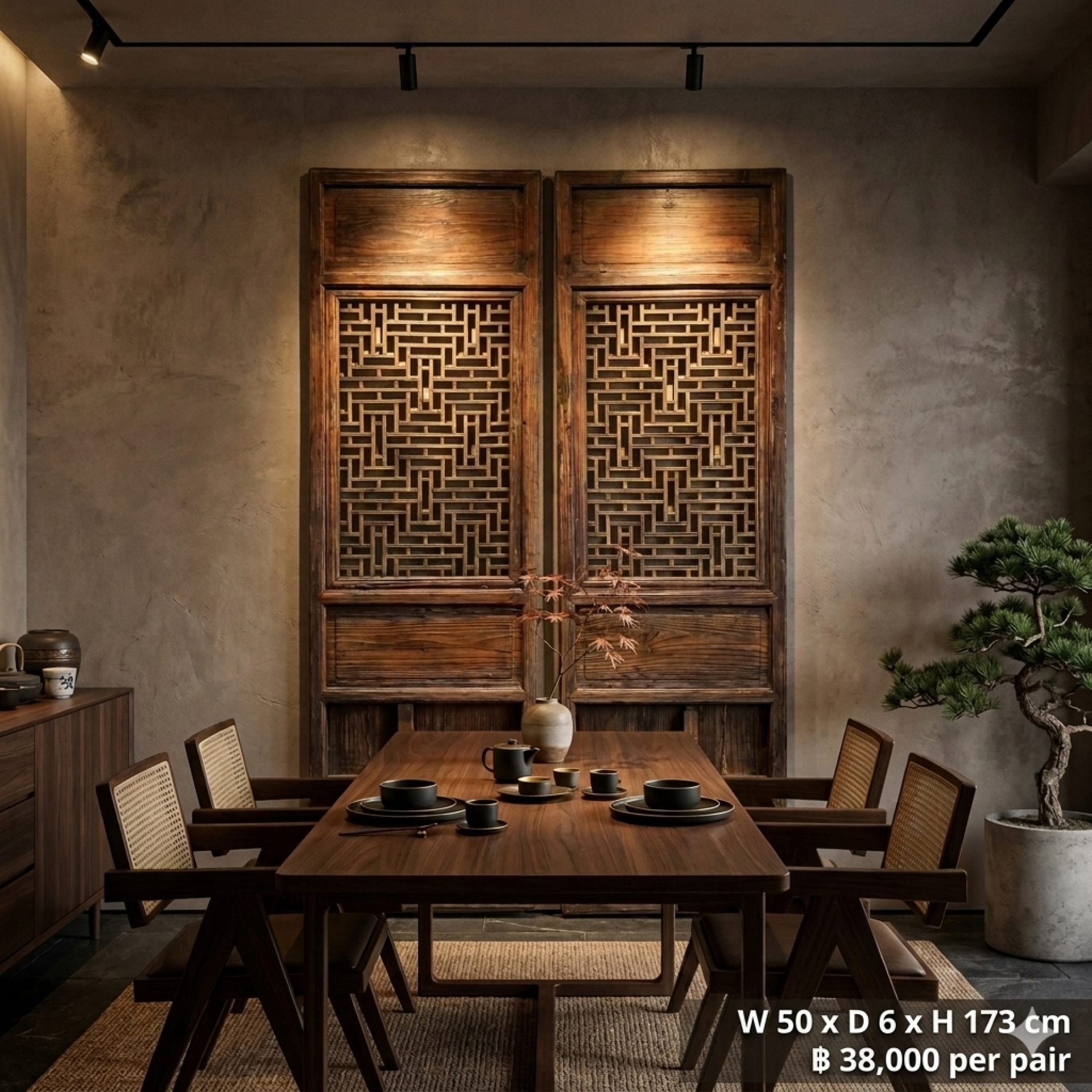
This dedication to permanence is evident in the legendary, nail-free mortise-and-tenon joinery used to construct authentic Chinese Vintage Furniture.
Organic Harmony: By interlocking the wooden joints without metal hardware, the piece breathes and adapts to seasonal shifts.
Flawless Presentation: This ancient technique allows the rich, uninterrupted grain of rare old-growth hardwoods to take center stage, establishing an organic warmth that modern manufacturing simply cannot replicate.
A Legacy of Sophistication
Beyond its physical durability, the aesthetic vocabulary of Asian Furniture possesses a unique ability to transcend eras. The clean, flowing profiles of a scholar’s desk or the majestic carvings of an imperial chest do not clash with modern minimalism; rather, they elevate it.
Curating Your Personal Gallery
Integrating these pieces into your Home Decoration requires an appreciation for contrast. Imagine a beautifully aged Antique Cabinet standing proudly against the stark, crisp lines of a contemporary penthouse living room. The interplay between the sleek modern architecture and the deep, centuries-old patina of the wood creates a sophisticated, magazine-worthy interior that feels incredibly curated, deeply personal, and inherently luxurious.
The Value of Scarcity
The timeless appeal of these items is inextricably linked to their rarity. Because genuine, well-preserved pieces are finite, their intrinsic value continues to appreciate.
For discerning expatriates and elite homeowners, the curated market for Antique Furniture Bangkok offers an extraordinary opportunity to acquire these highly sought-after assets. When you invest in the magnificent selections of Antique Furniture Thailand has to offer through our dedicated gallery, you are not merely purchasing a functional item. You are securing a commanding piece of Antique Furniture that serves as a beautiful, tangible store of wealth—a timeless legacy that will command admiration for generations.