How to Identify Authentic Chinese Antique Furniture: A Guide
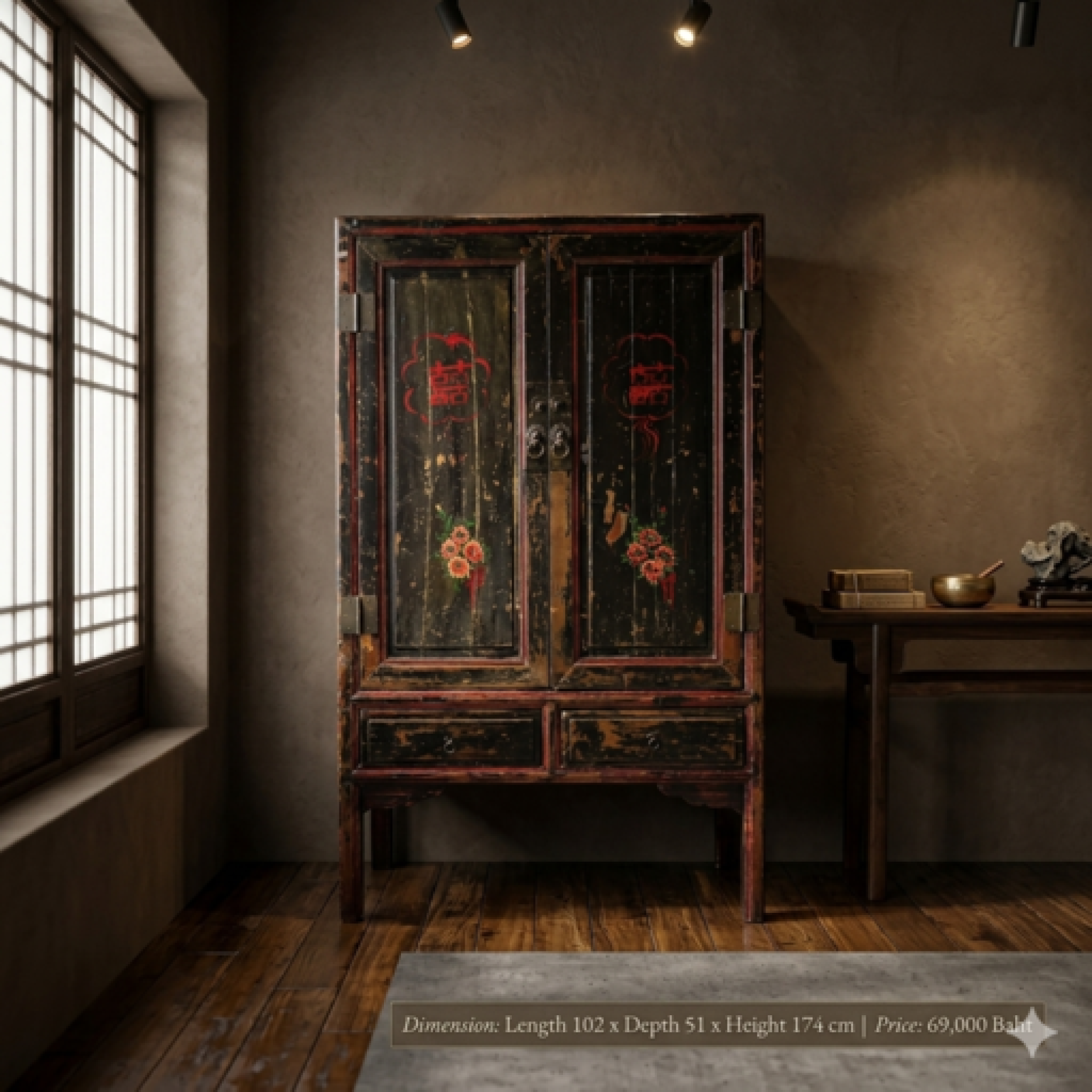
For the discerning collector, few things compare to the gravitas of a genuine Chinese antique. Yet, in a market flooded with modern reproductions, identifying a true masterpiece can feel like a daunting task for the untrained eye. However, by observing the subtle language of history etched into the wood, you can learn to distinguish true heritage from modern imitation.
Authentic Chinese antique furniture is not merely decorative; it is a profound synthesis of engineering and artistry. To identify a genuine piece, one must look past the surface and understand the markers of time and traditional craftsmanship that define these investment-grade treasures.
1. The Art of Joinery (No Nails, No Glue)
The most definitive hallmark of authentic Chinese antique furniture is the construction method. Master artisans of the past relied exclusively on complex mortise and tenon joinery.
The Interlocking Secret: If you inspect the joints and find nails, screws, or heavy industrial glue, the piece is likely a modern reproduction.
Seamless Transitions: True antiques feature interlocking wooden components that fit together with such precision that the piece remains stable and durable without metal fasteners. These hand-cut connections are a testament to the skill of ancient woodworkers.
2. Understanding the Patina
A genuine antique tells its story through its surface. Over decades—or even centuries—of human interaction, the wood develops a natural patina, a rich, lustrous sheen that cannot be synthesized by factory finishes.
Logical Wear: Look for uneven wear patterns. A true antique will show signs of age in places consistent with daily use, such as subtle rounding on the edges or gentle marks on the feet where it made contact with the floor.
Depth of Glow: The finish of a real antique seems to radiate from within the wood, rather than sitting on top of it like a coat of modern lacquer.
3. The Character of Hand-Crafted Details
Because these pieces were handmade, imperfections are actually a mark of authenticity.
Unique Variations: Look closely at hand-carved motifs. If the carvings appear perfectly uniform, they were likely machine-made. Authentic pieces exhibit subtle variations and small tool marks that reflect the artisan’s hand.
Hardware Authenticity: Examine the metalwork. Authentic hardware is typically hand-forged copper or bronze, often showing a distinct, aged character. Look for embossed details or shapes that feel bespoke rather than mass-produced.
4. The "Old Wood" Scent and Density
When examining a piece, use your senses. Authentic antiques, particularly those made from prized hardwoods like elm or rosewood, possess a distinct, subtle scent—a culmination of age and environment. Furthermore, notice the weight; genuine, high-density wood used in classic Chinese furniture is noticeably solid and substantial, reflecting the superior materials reserved for high-quality craftsmanship.