How Chinese Antique Furniture Works in Quiet Luxury Interiors
1649 Views

Quiet Luxury Begins With What Is Not Overstated
Quiet luxury is less about a particular colour palette or furniture style than an approach to composition. The room feels considered, but not overly arranged. Materials are allowed to speak for themselves. Architecture remains visible. Furniture has space around it.
This is one reason Chinese antique furniture can work so naturally within refined contemporary interiors.
Rather than asking every piece in a room to belong to the same period or design vocabulary, quiet luxury allows carefully chosen contrasts. A contemporary sofa can sit beside an antique cabinet. A restrained stone floor can provide a calm setting for an old wooden console. A modern residence can incorporate a Chinese screen without becoming a traditional Chinese interior.
The effect comes from balance.
Luxury becomes less about recognition and more about discernment.
Why Chinese Antique Furniture Brings Depth to Refined Spaces
Chinese furniture has a long history of combining practical function with disciplined form. Museum collections provide examples from the Ming and Qing periods, including tables, chairs, couches and other furniture made from materials such as huanghuali and zitan.
That historical vocabulary remains particularly relevant to quiet interiors because many Chinese furniture forms rely on proportion rather than excessive decoration.
Form Can Speak Without Ornament
A well-proportioned cabinet does not need a room full of accessories to attract attention.
Its silhouette, doors, frame and hardware can provide enough visual structure. A console table can create a horizontal line against a wall. A tall cabinet can introduce verticality into a room with low furniture. A screen can divide space while simultaneously becoming part of the architecture.
The simplicity of some classical Chinese furniture is historically documented. The Metropolitan Museum of Art, for example, describes a Ming-dynasty side table as an elegantly simple piece with a rectilinear design.
That restraint translates remarkably well into contemporary interiors.
Surface and Texture Create Quiet Contrast
Quiet interiors depend heavily on texture.
The contrast between polished stone, soft upholstery, linen, glass and wood can create depth without requiring strong colour. Chinese antique furniture contributes another layer through its surface: visible grain, changes in tone, aged finish, hardware and the subtle irregularities associated with an older object.
Traditional Chinese furniture construction also reflects a close relationship between material and structure. A Metropolitan Museum publication explains that mortise-and-tenon construction allowed hardwood furniture to accommodate expansion and contraction caused by changes in temperature and humidity.
This is more than a technical detail. It helps explain why construction itself can become part of the visual character of Chinese furniture.
The Beauty of an Individual Piece
Quiet luxury does not require a room to contain many exceptional objects.
Often, the stronger approach is to allow one distinctive piece to carry visual weight.
A Chinese antique cabinet against a calm wall may be more compelling than several decorative objects competing for attention. A long console can anchor an entrance. An antique screen can create a transition between spaces while giving the eye something architectural to rest upon.
The furniture becomes part of the room's identity rather than simply another layer of decoration.
Creating Balance Between Chinese Antiques and Contemporary Architecture
The most successful combinations usually come from contrast rather than imitation.
A contemporary home does not need traditional Chinese architecture around an antique piece. In fact, the contrast between old furniture and modern architecture can make both more visible.
Let the Architecture Remain Visible
Space is an important part of quiet luxury.
In a Bangkok condominium or penthouse, for example, an antique cabinet may have greater presence when surrounded by open wall space rather than placed tightly between several other pieces.
The same principle applies to villas and hospitality interiors.
Furniture should support the architecture rather than obscure it.
Consider circulation, sightlines and the amount of visual information already present in the room. If the architecture is strong, the furniture can be quieter. If the room is minimal, one antique piece may provide the character that the space needs.
Contrast Rather Than Match
A Chinese antique cabinet can sit comfortably beside a contemporary sofa in neutral upholstery.
A carved or structured screen can stand against a clean architectural wall.
A traditional wooden console can be paired with contemporary lighting and restrained artwork.
The objective is not to make the new furniture look old or the old furniture look contemporary. The contrast should remain visible.
This distinction is important. The character of an antique should be respected rather than disguised.
Proportion Matters More Than Quantity
A beautiful piece can still feel wrong if its scale is unsuitable.
Before choosing furniture, consider the width of the wall, ceiling height, circulation routes and relationship with neighbouring furniture. A long console may need substantial wall space to feel balanced. A tall cabinet can work beautifully in a room with generous vertical volume but become visually heavy in a compact space.
This is particularly important in luxury residences, where furniture must often coexist with large architectural elements, expansive glazing and carefully planned circulation.
Quiet luxury is ultimately a spatial discipline.
Where Chinese Antique Furniture Works Best in a Quiet Luxury Home
Chinese antique furniture can be introduced throughout a residence, but the strongest applications often come from allowing each piece to perform a clear role.
Living Rooms and Formal Sitting Areas
A Chinese antique cabinet or sideboard can provide a strong anchor within a contemporary living room.
Rather than surrounding it with objects that repeat its visual language, allow the cabinet to stand apart. Pair it with understated upholstery, natural textures and contemporary lighting.
The result can feel collected rather than decorated.
Dining Rooms and Transitional Spaces
A Chinese antique sideboard can provide useful storage while giving a dining room a distinctive focal point.
Console tables can also work particularly well in transitional spaces: entrance halls, corridors and areas between major rooms.
Here, the furniture does not have to compete with seating or large decorative arrangements. Its role can be architectural, defining the transition from one space to another.
Bedrooms and Private Interiors
The bedroom benefits from restraint.
A Chinese antique bedside cabinet can introduce warmth beside a contemporary bed without requiring the entire room to follow the same aesthetic.
Keep the surrounding palette calm. Let the furniture's material and form provide the visual interest.
The result is personal rather than theatrical.
Screens, Doors and Architectural Elements
Chinese antique screens can be particularly interesting in open-plan interiors because they have both decorative and spatial functions.
A screen can subtly separate a dining area from a living space, frame a view or create a sense of transition without constructing a permanent wall.
Chinese antique doors and windows can have a similar architectural quality when incorporated appropriately into an interior project.
These elements work best when their relationship with the architecture is carefully considered rather than treated as decorative accessories.
The Art of Curating Chinese Antique Furniture for Quiet Luxury
The difference between an elegant interior and a crowded one is often selection.
Choose Character Over Quantity
A room does not become more sophisticated simply because it contains more antique furniture.
Choose pieces for their form, proportion, surface and relationship with the architecture.
One cabinet with a compelling silhouette may contribute more than several smaller objects with no clear relationship to one another.
This approach also gives each piece room to be appreciated.
Build a Dialogue Between Old and New
The strongest interiors often allow different periods to coexist naturally.
A Chinese antique can sit alongside contemporary art. A traditional table can be surrounded by modern seating. An antique screen can frame a minimalist space.
The important point is not to erase the difference between them.
That difference creates tension, depth and personality.
Historical Chinese furniture offers many precedents for refined simplicity. During the Ming period, hardwood furniture design reached a particularly sophisticated level of functional simplicity and elegance, according to research published by The Metropolitan Museum of Art.
Museum examples also show how Chinese furniture could combine practical function with literary and aesthetic associations. Seventeenth-century Ming and early Qing armchairs, for example, could incorporate calligraphy associated with literati culture.
These examples remind us that furniture can occupy a space between utility, craftsmanship and personal expression.
Know When to Leave Space Empty
Negative space is not wasted space.
It allows a piece of furniture to breathe.
In a quiet luxury interior, an empty wall beside a cabinet can be as deliberate as the cabinet itself. A clear area around a screen can make its proportions easier to appreciate. A restrained tabletop can allow the material of the furniture to remain visible.
The room should never feel as though every surface needs to be filled.
A More Personal Definition of Luxury
The appeal of Chinese antique furniture within quiet luxury interiors ultimately comes down to character.
It gives a contemporary home something that cannot be achieved simply by purchasing an entire matching furniture collection: individuality.
The most successful interiors do not announce every decision. They allow materials, proportions and objects to reveal themselves gradually.
A Chinese antique cabinet in a modern Bangkok residence can feel entirely at home when the surrounding architecture gives it room. A console can become part of an entrance composition. A screen can shape movement through an open-plan interior. A bedside cabinet can introduce warmth into an otherwise restrained bedroom.
The furniture does not need to dominate.
It needs to belong.
For homeowners, collectors, interior designers and architects looking to create interiors with greater depth, this is where Chinese antique furniture becomes particularly compelling. Its value within a contemporary setting is not simply that it is old. It is that its form, material presence and individual character can contribute something distinctive to the composition of a room.
At Chinese House in Bangkok, the collection brings together Chinese antique and reproduction furniture for residential and interior-design settings. For those considering a more personal approach to quiet luxury, visiting the showroom can be an opportunity to experience the scale, proportion, surface and character of individual pieces in person.
The most memorable interior may begin with only one.
FAQ
Can Chinese antique furniture work in a modern luxury interior?
Yes. Chinese antique furniture can work particularly well with contemporary architecture when the composition focuses on proportion, contrast, material and negative space rather than attempting to make the entire room traditionally Chinese.
How much Chinese antique furniture should I use in a quiet luxury interior?
There is no fixed number. A useful starting point is to select one or two pieces with a clear visual or functional role, then allow the surrounding space to remain relatively restrained.
Which Chinese antique furniture works well in contemporary homes?
Cabinets, sideboards, console tables, screens, bedside cabinets, tables and chairs can all work depending on the architecture and room proportions. The most important consideration is how the individual piece relates to scale, circulation, materials and the overall composition.
Quiet luxury is less about a particular colour palette or furniture style than an approach to composition. The room feels considered, but not overly arranged. Materials are allowed to speak for themselves. Architecture remains visible. Furniture has space around it.
This is one reason Chinese antique furniture can work so naturally within refined contemporary interiors.
Rather than asking every piece in a room to belong to the same period or design vocabulary, quiet luxury allows carefully chosen contrasts. A contemporary sofa can sit beside an antique cabinet. A restrained stone floor can provide a calm setting for an old wooden console. A modern residence can incorporate a Chinese screen without becoming a traditional Chinese interior.
The effect comes from balance.
Luxury becomes less about recognition and more about discernment.
Why Chinese Antique Furniture Brings Depth to Refined Spaces
Chinese furniture has a long history of combining practical function with disciplined form. Museum collections provide examples from the Ming and Qing periods, including tables, chairs, couches and other furniture made from materials such as huanghuali and zitan.
That historical vocabulary remains particularly relevant to quiet interiors because many Chinese furniture forms rely on proportion rather than excessive decoration.
Form Can Speak Without Ornament
A well-proportioned cabinet does not need a room full of accessories to attract attention.
Its silhouette, doors, frame and hardware can provide enough visual structure. A console table can create a horizontal line against a wall. A tall cabinet can introduce verticality into a room with low furniture. A screen can divide space while simultaneously becoming part of the architecture.
The simplicity of some classical Chinese furniture is historically documented. The Metropolitan Museum of Art, for example, describes a Ming-dynasty side table as an elegantly simple piece with a rectilinear design.
That restraint translates remarkably well into contemporary interiors.
Surface and Texture Create Quiet Contrast
Quiet interiors depend heavily on texture.
The contrast between polished stone, soft upholstery, linen, glass and wood can create depth without requiring strong colour. Chinese antique furniture contributes another layer through its surface: visible grain, changes in tone, aged finish, hardware and the subtle irregularities associated with an older object.
Traditional Chinese furniture construction also reflects a close relationship between material and structure. A Metropolitan Museum publication explains that mortise-and-tenon construction allowed hardwood furniture to accommodate expansion and contraction caused by changes in temperature and humidity.
This is more than a technical detail. It helps explain why construction itself can become part of the visual character of Chinese furniture.
The Beauty of an Individual Piece
Quiet luxury does not require a room to contain many exceptional objects.
Often, the stronger approach is to allow one distinctive piece to carry visual weight.
A Chinese antique cabinet against a calm wall may be more compelling than several decorative objects competing for attention. A long console can anchor an entrance. An antique screen can create a transition between spaces while giving the eye something architectural to rest upon.
The furniture becomes part of the room's identity rather than simply another layer of decoration.
Creating Balance Between Chinese Antiques and Contemporary Architecture
The most successful combinations usually come from contrast rather than imitation.
A contemporary home does not need traditional Chinese architecture around an antique piece. In fact, the contrast between old furniture and modern architecture can make both more visible.
Let the Architecture Remain Visible
Space is an important part of quiet luxury.
In a Bangkok condominium or penthouse, for example, an antique cabinet may have greater presence when surrounded by open wall space rather than placed tightly between several other pieces.
The same principle applies to villas and hospitality interiors.
Furniture should support the architecture rather than obscure it.
Consider circulation, sightlines and the amount of visual information already present in the room. If the architecture is strong, the furniture can be quieter. If the room is minimal, one antique piece may provide the character that the space needs.
Contrast Rather Than Match
A Chinese antique cabinet can sit comfortably beside a contemporary sofa in neutral upholstery.
A carved or structured screen can stand against a clean architectural wall.
A traditional wooden console can be paired with contemporary lighting and restrained artwork.
The objective is not to make the new furniture look old or the old furniture look contemporary. The contrast should remain visible.
This distinction is important. The character of an antique should be respected rather than disguised.
Proportion Matters More Than Quantity
A beautiful piece can still feel wrong if its scale is unsuitable.
Before choosing furniture, consider the width of the wall, ceiling height, circulation routes and relationship with neighbouring furniture. A long console may need substantial wall space to feel balanced. A tall cabinet can work beautifully in a room with generous vertical volume but become visually heavy in a compact space.
This is particularly important in luxury residences, where furniture must often coexist with large architectural elements, expansive glazing and carefully planned circulation.
Quiet luxury is ultimately a spatial discipline.
Where Chinese Antique Furniture Works Best in a Quiet Luxury Home
Chinese antique furniture can be introduced throughout a residence, but the strongest applications often come from allowing each piece to perform a clear role.
Living Rooms and Formal Sitting Areas
A Chinese antique cabinet or sideboard can provide a strong anchor within a contemporary living room.
Rather than surrounding it with objects that repeat its visual language, allow the cabinet to stand apart. Pair it with understated upholstery, natural textures and contemporary lighting.
The result can feel collected rather than decorated.
Dining Rooms and Transitional Spaces
A Chinese antique sideboard can provide useful storage while giving a dining room a distinctive focal point.
Console tables can also work particularly well in transitional spaces: entrance halls, corridors and areas between major rooms.
Here, the furniture does not have to compete with seating or large decorative arrangements. Its role can be architectural, defining the transition from one space to another.
Bedrooms and Private Interiors
The bedroom benefits from restraint.
A Chinese antique bedside cabinet can introduce warmth beside a contemporary bed without requiring the entire room to follow the same aesthetic.
Keep the surrounding palette calm. Let the furniture's material and form provide the visual interest.
The result is personal rather than theatrical.
Screens, Doors and Architectural Elements
Chinese antique screens can be particularly interesting in open-plan interiors because they have both decorative and spatial functions.
A screen can subtly separate a dining area from a living space, frame a view or create a sense of transition without constructing a permanent wall.
Chinese antique doors and windows can have a similar architectural quality when incorporated appropriately into an interior project.
These elements work best when their relationship with the architecture is carefully considered rather than treated as decorative accessories.
The Art of Curating Chinese Antique Furniture for Quiet Luxury
The difference between an elegant interior and a crowded one is often selection.
Choose Character Over Quantity
A room does not become more sophisticated simply because it contains more antique furniture.
Choose pieces for their form, proportion, surface and relationship with the architecture.
One cabinet with a compelling silhouette may contribute more than several smaller objects with no clear relationship to one another.
This approach also gives each piece room to be appreciated.
Build a Dialogue Between Old and New
The strongest interiors often allow different periods to coexist naturally.
A Chinese antique can sit alongside contemporary art. A traditional table can be surrounded by modern seating. An antique screen can frame a minimalist space.
The important point is not to erase the difference between them.
That difference creates tension, depth and personality.
Historical Chinese furniture offers many precedents for refined simplicity. During the Ming period, hardwood furniture design reached a particularly sophisticated level of functional simplicity and elegance, according to research published by The Metropolitan Museum of Art.
Museum examples also show how Chinese furniture could combine practical function with literary and aesthetic associations. Seventeenth-century Ming and early Qing armchairs, for example, could incorporate calligraphy associated with literati culture.
These examples remind us that furniture can occupy a space between utility, craftsmanship and personal expression.
Know When to Leave Space Empty
Negative space is not wasted space.
It allows a piece of furniture to breathe.
In a quiet luxury interior, an empty wall beside a cabinet can be as deliberate as the cabinet itself. A clear area around a screen can make its proportions easier to appreciate. A restrained tabletop can allow the material of the furniture to remain visible.
The room should never feel as though every surface needs to be filled.
A More Personal Definition of Luxury
The appeal of Chinese antique furniture within quiet luxury interiors ultimately comes down to character.
It gives a contemporary home something that cannot be achieved simply by purchasing an entire matching furniture collection: individuality.
The most successful interiors do not announce every decision. They allow materials, proportions and objects to reveal themselves gradually.
A Chinese antique cabinet in a modern Bangkok residence can feel entirely at home when the surrounding architecture gives it room. A console can become part of an entrance composition. A screen can shape movement through an open-plan interior. A bedside cabinet can introduce warmth into an otherwise restrained bedroom.
The furniture does not need to dominate.
It needs to belong.
For homeowners, collectors, interior designers and architects looking to create interiors with greater depth, this is where Chinese antique furniture becomes particularly compelling. Its value within a contemporary setting is not simply that it is old. It is that its form, material presence and individual character can contribute something distinctive to the composition of a room.
At Chinese House in Bangkok, the collection brings together Chinese antique and reproduction furniture for residential and interior-design settings. For those considering a more personal approach to quiet luxury, visiting the showroom can be an opportunity to experience the scale, proportion, surface and character of individual pieces in person.
The most memorable interior may begin with only one.
FAQ
Can Chinese antique furniture work in a modern luxury interior?
Yes. Chinese antique furniture can work particularly well with contemporary architecture when the composition focuses on proportion, contrast, material and negative space rather than attempting to make the entire room traditionally Chinese.
How much Chinese antique furniture should I use in a quiet luxury interior?
There is no fixed number. A useful starting point is to select one or two pieces with a clear visual or functional role, then allow the surrounding space to remain relatively restrained.
Which Chinese antique furniture works well in contemporary homes?
Cabinets, sideboards, console tables, screens, bedside cabinets, tables and chairs can all work depending on the architecture and room proportions. The most important consideration is how the individual piece relates to scale, circulation, materials and the overall composition.
Related Content
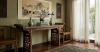
The decision to invest in Chinese Antique Furniture is more than just a decor choice; it is a profound commitment to timeless elegance, dynastic history, and unparalleled craftsmanship. In a world increasingly saturated with disposable, mass-produced items, discerning homeowners are turning their gaze back to the masterful artistry of the past.
Welcome to Chinese House, where we believe that true luxury lies in objects that carry a soul. Cultivating a sophisticated living space requires elements that spark conversation and exude grounding energy. Let us explore exactly why integrating these heritage masterpieces into your residence is the ultimate expression of refined living.
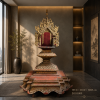
Traditional Chinese interiors were designed with intention. Every element within a residence—from architectural layout to decorative objects—contributed to a carefully considered environment that reflected personal values and cultural beliefs.
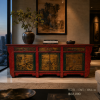
A Chinese antique cabinet has the remarkable ability to transform a room with depth, character, and quiet sophistication. More than a practical storage piece, it carries generations of craftsmanship that modern furniture rarely replicates. Whether you're furnishing a luxury condominium in Bangkok, a spacious pool villa, or a boutique hospitality space, selecting the right cabinet is about finding harmony between history, proportion, and your personal style.
This guide explores what truly matters when choosing Chinese antique furniture, helping you invest in a piece that complements your home for decades to come.
