Why Chinese Antique Furniture Works Across Different Interior Styles

The reason is less about matching a particular decorating style and more about proportion, material, silhouette and contrast. When considered as an individual design object, Chinese antique furniture can become part of many different architectural languages.
Why Chinese Antique Furniture Can Feel Surprisingly Contemporary
Beyond a Single “Chinese” Interior Style
There is a common assumption that Chinese antique furniture belongs naturally in rooms filled with other Asian furniture, traditional decoration or strongly regional architectural references. While it can certainly be used in such settings, limiting it to that environment overlooks one of its most interesting qualities: adaptability.
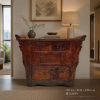
A Chinese Antique Cabinet, for example, can have a strong enough silhouette to stand independently within a contemporary interior. A sideboard can provide visual weight against pale walls and modern upholstery. A screen can define an area without requiring the entire room to follow a traditional aesthetic.
The furniture becomes a point of dialogue between different periods and design languages.
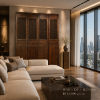
This is particularly effective in luxury interiors, where a room often feels more sophisticated when every object does not appear to have been purchased from the same collection. A modern sofa beside an antique cabinet can create a more individual composition than a room in which every element shares the same visual vocabulary.
The Role of Proportion, Shape and Visual Character
The adaptability of Chinese antique furniture begins with its physical presence.
Many traditional Chinese furniture forms rely on clear proportions and deliberate silhouettes. Rather than depending entirely on ornament, the overall shape of a cabinet, table, chair or screen can establish its identity from across a room.
That makes these pieces particularly useful in contemporary spaces, where visual clarity matters.
A tall cabinet can draw the eye vertically in a room with generous ceiling height. A low sideboard can establish a horizontal line beneath artwork. A console table can occupy an otherwise quiet wall without making the space feel crowded.
The relationship between the furniture and its surroundings matters as much as the furniture itself.
Why Contrast Can Make a Room Feel More Refined
Contrast is one of the most useful principles when incorporating antique furniture into a modern interior.
A dark, characterful wooden cabinet against a restrained architectural backdrop creates tension between old and new. A richly textured surface beside smooth stone or contemporary upholstery introduces another layer of visual interest.
The objective is not to make the furniture appear modern. It is to allow its traditional character to remain visible while giving it a contemporary context.
That distinction is important. Successful interiors do not disguise the age or character of an antique piece. They give it enough surrounding space to be appreciated.
The Design Elements That Allow Chinese Antique Furniture to Adapt
Strong Silhouettes and Architectural Form
Furniture with a clearly defined outline tends to travel well between different interior styles.
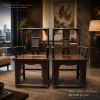
Chinese Antique Cabinets can provide vertical structure. Console Tables can create a refined transition between architecture and furnishings. Screens can introduce rhythm while also dividing space. Tables and chairs can become sculptural elements within a more restrained setting.
In each case, the furniture can be considered almost architecturally.
Rather than asking whether a particular piece “matches” the room, consider whether its scale, shape and visual weight contribute to the room's composition.
This approach is especially useful in Bangkok luxury residences, where open-plan living areas often combine dining, living and circulation spaces within one architectural volume.
Natural Materials, Surface and Texture
Material is another reason antique furniture can work across different styles.
Wood introduces warmth into interiors dominated by stone, glass or metal. A naturally varied surface can soften an otherwise highly controlled environment. Subtle signs of craftsmanship can give a room the sense that it has developed gradually rather than been assembled all at once.
This is one reason antique furniture can work particularly well within quiet, restrained interiors. When the architecture is simple, the surface of a carefully selected piece has room to speak.
Carving, Hardware and Small Details as Visual Accents
Details should be considered as accents rather than decoration for its own sake.
Traditional Chinese furniture can feature distinctive hardware, joinery, carved elements or decorative surfaces. These details become especially noticeable when placed against a simpler background.
A restrained room may therefore require only one cabinet or screen to introduce a different visual language.
The effect is subtle: the room remains contemporary, but it gains another layer of reference and personality.
Chinese Antique Furniture in Contemporary and Modern Interiors
Creating Contrast in a Minimalist Room
Minimalism does not necessarily mean that every object must be contemporary.
In fact, a carefully selected antique can make a minimalist room feel more considered. Against a quiet palette, an individual piece has greater visual presence because there are fewer competing elements.
A Chinese Antique Cabinet can work particularly well when surrounded by generous negative space. Instead of filling the wall with multiple decorative objects, allow the cabinet to become the principal visual anchor.
The surrounding architecture should remain calm.
This creates a useful balance: the room provides restraint, while the antique provides character.
Using a Chinese Antique Cabinet as a Focal Point
A cabinet can serve as more than storage.
In a contemporary living room, it can anchor a wall. In a dining room, it can provide a visual counterweight to a long table. In an entry area, it can establish a sense of arrival without requiring extensive decoration.
The most effective placement often comes from treating the cabinet as furniture with architectural significance rather than simply another decorative object.
Scale is critical.
A substantial cabinet placed against a small wall may overwhelm the room, while a delicate piece on a very large wall can lose its presence. The relationship between furniture dimensions, ceiling height, wall width and surrounding circulation should therefore be considered before placement.
Balancing Traditional Character with Clean Architectural Lines
One of the most elegant combinations is traditional furniture within a modern architectural envelope.
Think of clean plaster walls, contemporary lighting, stone flooring and restrained upholstery alongside a Chinese antique cabinet or console. The contrast gives both sides greater clarity.
The modern architecture prevents the antique furniture from feeling overly formal. The antique furniture, in return, prevents the contemporary environment from becoming visually anonymous.
For luxury condos and penthouses in Bangkok, this can be particularly effective where the architecture already provides a strong contemporary foundation.
How It Works Across Classic, Transitional and Eclectic Interiors
Traditional Interiors — Building on Existing Character
In a more classical interior, Chinese antique furniture can reinforce an established sense of craftsmanship and permanence.
The key is not to create a room where every object competes for attention. Instead, choose pieces that complement the existing architectural rhythm.
A cabinet may work alongside traditional millwork. A console may reinforce the symmetry of an entrance hall. A Chinese screen can add another layer of visual structure within a larger room.
Here, the antique becomes part of a broader conversation between materials, proportions and architectural detail.
Transitional Interiors — Connecting Old and New
Transitional interiors offer particularly fertile ground for Chinese antique furniture because they already depend on relationships between different design periods.
A contemporary sofa, classic rug and Chinese antique sideboard can coexist when their proportions and tonal relationships are considered carefully.
The furniture does not need to share the same style.
It needs to share the same visual logic.
This may come through colour, scale, material or placement. A darker antique cabinet, for instance, can visually connect with dark architectural details elsewhere in the room even when the forms themselves are completely different.
Eclectic Interiors — Creating a Layered, Collected Look
Eclectic interiors allow Chinese antique furniture to become part of a broader collection of objects, materials and cultural references.
Here, variation is expected.
A Chinese cabinet may sit beside contemporary art. A screen may divide a room containing modern seating. An antique table may be surrounded by chairs from a different design tradition.
The important principle is intentionality.
Eclectic does not mean random. The strongest interiors often contain differences that are connected through proportion, colour, texture or repetition.
Chinese antique furniture can contribute to this sense of collected character without requiring the room to become overtly themed.
Asian-Inspired Interiors — Reinforcing Material and Cultural Continuity
There are, naturally, interiors where Chinese antique furniture has a more direct relationship with the overall design language.
In an Asian-inspired residence or hospitality environment, traditional furniture can reinforce a broader appreciation for natural materials, restrained decoration and craftsmanship.
In these settings, Chinese antique furniture may become part of the room's central visual identity rather than serving primarily as a contrasting accent.
The same principles still apply: proportion, placement and restraint determine whether the result feels sophisticated or overly decorated.
How to Choose and Place Chinese Antique Furniture Successfully
Start with Scale and Proportion
Before considering colour or decorative detail, consider size.
Measure the available wall, circulation areas, doorways and surrounding furniture. Think about the height of the ceiling and the visual weight of nearby architectural elements.
A piece should have enough room around it to be understood.
This is especially important with Chinese Antique Tall Cabinets and larger cabinets. Their vertical presence can be powerful, but it needs appropriate breathing space.
Match the Furniture to the Room’s Visual Rhythm
Look around the room for existing horizontal and vertical lines.
A console may echo the length of a wall or align with architectural features. A cabinet can reinforce vertical proportions. A screen can introduce a repeating rhythm while also creating a visual boundary between areas.
These relationships are often more important than matching furniture by style.
Let One Strong Piece Lead the Composition
A common mistake is introducing too many statement pieces at once.
If a Chinese antique cabinet has a strong presence, allow it to lead. The surrounding furniture can be quieter.
This creates hierarchy.
In a luxury interior, restraint often makes individual objects feel more valuable because the eye has somewhere to rest.
Use Colour and Material to Connect Different Styles
The furniture does not have to match every colour in the room.
Instead, look for relationships.
Wood tones can connect with flooring or architectural details. Dark hardware may relate to lighting fixtures. A warm surface can balance cool stone. A screen can echo the geometry of nearby windows or doors.
These subtle connections allow furniture from different traditions to coexist naturally.
Creating a More Personal Interior with Chinese Antique Furniture
From Decoration to Curation
The most successful use of Chinese antique furniture is often less about decorating and more about curating.
Rather than asking, “What furniture belongs to this style?” consider asking, “What piece gives this room a stronger sense of identity?”
That shift opens up more possibilities.
A contemporary home does not need to become traditionally Chinese simply because it contains a Chinese antique. A classic home does not need to become more formal. The furniture can retain its own identity while contributing something distinctive to the larger composition.
Why Contrast Can Make a Home Feel More Individual
Interiors become memorable when they contain some degree of tension.
Old and new. Smooth and textured. Quiet and expressive. Architectural and handcrafted.
Chinese antique furniture can provide one side of these relationships particularly well because its visual character often remains recognisable even when placed within a very different environment.
That makes a single piece capable of changing the atmosphere of a room without requiring a complete redesign.
Choosing Pieces That Relate to the Architecture
The best starting point is often the room itself.
Consider the entrance, sightlines, ceiling height, wall proportions and circulation. Then consider which type of furniture would strengthen those characteristics.
A console can frame an entrance. A sideboard can ground a dining area. A cabinet can anchor a living room wall. A screen can define an open-plan space. Tables and chairs can introduce a more intimate focal point.
The furniture becomes part of the architecture rather than an object added after the architecture is finished.
Bringing Character to Luxury Homes in Bangkok and Thailand
In Bangkok's luxury residences, the strongest interiors often balance contemporary architecture with materials and objects that provide warmth and individuality.
Chinese antique furniture can work within this environment because it does not require an entire room to be redesigned around it.
A single cabinet in a penthouse living area, a console in an entrance hall, or a screen within an open-plan villa can introduce a quieter layer of character.
For homeowners, designers and architects, this flexibility makes Chinese antique furniture useful far beyond traditionally styled interiors.
The goal is not to make every room look Chinese.
It is to select a piece whose proportion, craftsmanship, material and character make the room feel more complete.
At Chinese House, our collection of Chinese Antique Furniture is intended to be considered within real interiors — alongside contemporary architecture, refined residential spaces and carefully curated environments in Bangkok and beyond. For those looking to introduce character without compromising an established design language, exploring the collection in person can be the most revealing part of the process.
FAQ
Can Chinese antique furniture work in a modern interior?
Yes. Its strong proportions, natural materials and distinctive silhouettes can create useful contrast within contemporary architecture. A single cabinet, console or screen can provide character without requiring the rest of the interior to follow a traditional Chinese style.
What interior styles work with Chinese antique furniture?
Chinese antique furniture can be incorporated into contemporary, minimalist, classic, transitional, eclectic and Asian-inspired interiors. The most important considerations are scale, proportion, material relationships, visual weight and placement rather than matching furniture to a single style.
How do I choose Chinese antique furniture for a luxury home?
Begin with the architecture and available space. Consider dimensions, circulation, ceiling height, existing materials and the visual hierarchy of the room. A well-proportioned individual piece often creates a stronger result than using several competing statement pieces.