The Art of Placement: Cultivating Feng Shui and Flow with Timeless Antiques
48 Views

There is a profound difference between a room that is "full" and a room that "flows." In the high-velocity lifestyle of Bangkok, our homes often become catch-alls for modern gadgets and fast-moving trends, leaving the energy—or Qi—feeling fragmented. True luxury isn't just about what you own; it’s about where those objects live.
At Chinese House 1990, we view placement as a silent conversation between the architecture of the home and the soul of the object. Authentic Chinese antiques are more than furniture; they are energetic anchors. Today, we explore the "Art of Placement"—how to strategically position heritage pieces to cultivate harmony, professional authority, and a welcoming flow in your modern residence.
The Foyer: The "Mouth of Qi"
In Feng Shui, the entryway is where energy enters your life. If this space is cluttered or sterile, the opportunity for prosperity slows down.
The Placement: Position a long, slender Altar Table facing the entrance (but not blocking the path).
The Flow: The sweeping "horseshoe" curves of the table act as a visual and energetic filter. It catches the frantic "street energy" of Bangkok and refines it into a calm, welcoming vibration before it travels deeper into your home.
The Home Office: The Command Position
Is your desk just a surface, or is it a seat of power? Placement in the study dictates your focus and professional Barami (Authority).
The Placement: Place an authentic Scholar’s Desk in the "Command Position"—diagonal to the door with a solid wall behind you.
The Flow: This layout ensures you are never caught off guard and provides the "Black Tortoise" support of a solid wall. The heavy, centuries-old wood of a Northern Elm desk acts as a grounding force, keeping your mind clear even when your inbox is chaotic.
The Living Room: Balancing the Five Elements
Modern luxury homes often lean too heavily on the Metal (steel/glass) and Earth (stone/marble) elements. This can make a space feel cold and unyielding.
The Placement: Introduce a vibrant Cinnabar-Red Wedding Cabinet or a raw Elmwood Trunk as a central focal point.
The Flow: The red lacquer introduces the Fire element (passion and recognition), while the antique wood provides the Wood element (growth and vitality). This "Elemental Reset" softens the hard edges of modern architecture, making the room feel human and balanced.
At Chinese House 1990, we view placement as a silent conversation between the architecture of the home and the soul of the object. Authentic Chinese antiques are more than furniture; they are energetic anchors. Today, we explore the "Art of Placement"—how to strategically position heritage pieces to cultivate harmony, professional authority, and a welcoming flow in your modern residence.
The Foyer: The "Mouth of Qi"
In Feng Shui, the entryway is where energy enters your life. If this space is cluttered or sterile, the opportunity for prosperity slows down.
The Placement: Position a long, slender Altar Table facing the entrance (but not blocking the path).
The Flow: The sweeping "horseshoe" curves of the table act as a visual and energetic filter. It catches the frantic "street energy" of Bangkok and refines it into a calm, welcoming vibration before it travels deeper into your home.
The Home Office: The Command Position
Is your desk just a surface, or is it a seat of power? Placement in the study dictates your focus and professional Barami (Authority).
The Placement: Place an authentic Scholar’s Desk in the "Command Position"—diagonal to the door with a solid wall behind you.
The Flow: This layout ensures you are never caught off guard and provides the "Black Tortoise" support of a solid wall. The heavy, centuries-old wood of a Northern Elm desk acts as a grounding force, keeping your mind clear even when your inbox is chaotic.
The Living Room: Balancing the Five Elements
Modern luxury homes often lean too heavily on the Metal (steel/glass) and Earth (stone/marble) elements. This can make a space feel cold and unyielding.
The Placement: Introduce a vibrant Cinnabar-Red Wedding Cabinet or a raw Elmwood Trunk as a central focal point.
The Flow: The red lacquer introduces the Fire element (passion and recognition), while the antique wood provides the Wood element (growth and vitality). This "Elemental Reset" softens the hard edges of modern architecture, making the room feel human and balanced.
Related Content
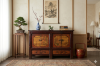
Entering the world of Chinese antique furniture is like stepping into a living history book where every curve and grain tells a story of dynastic grandeur. For expatriates and luxury homeowners in Thailand, these pieces represent more than just decor; they are soulful anchors that bring a sense of permanence and worldly prestige to modern villas and high-rise penthouses.
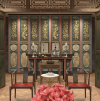
The profound allure of Chinese Antique Furniture goes far beyond its magnificent visual beauty; it is a physical manifestation of ancient Eastern philosophies brought to life. For discerning homeowners, interior designers, and collectors, integrating these historical masterpieces into a modern setting is an exercise in cultural appreciation, intellectual depth, and sophisticated living.
Welcome to Chinese House, where we curate exceptional heritage pieces that bridge the gap between historical reverence and contemporary luxury. By understanding the deeper aesthetics and philosophical roots behind these creations, you can elevate your home decor into a realm of unmatched elegance, transforming your living space into a sanctuary of serene balance.
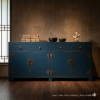
In the world of high-end interior design, true luxury isn’t just about the newest trend; it’s about pieces that tell a story. An authentic Chinese antique sideboard acts as the heart of a home, transforming your dining room or living area from a mere functional space into a gallery of heritage and refinement.
