Where Heritage Meets Tropical Living

Where Heritage Meets Tropical Living
Tropical architecture celebrates openness. Expansive windows, natural ventilation, soft daylight, and a strong connection to nature define many of Thailand's most beautiful homes. Chinese antique furniture introduces a compelling counterbalance to these airy environments.
The richness of aged wood, subtle patina developed over decades, and elegant handcrafted details bring visual depth that newer furniture often lacks. Rather than competing with tropical architecture, antique pieces create contrast that enhances the overall atmosphere.
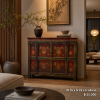
In many luxury residences, a single antique cabinet can transform an otherwise minimal room into a space with genuine character. The result feels sophisticated rather than themed, refined rather than decorative.
This balance explains why Chinese Antique Furniture continues to attract interior designers, architects, and homeowners seeking distinctive alternatives to mass-produced furnishings.
Understanding the Craftsmanship Before Decorating
The beauty of Chinese antique furniture begins with understanding its origins.
Furniture from the Ming Dynasty (1368–1644) is widely admired for its graceful proportions, restrained ornamentation, and emphasis on clean architectural lines. Many pieces were designed according to principles of balance and harmony, making them surprisingly compatible with contemporary interiors.
By contrast, furniture from the Qing Dynasty (1644–1912) often displays more elaborate carving, decorative motifs, and visual presence. These pieces can serve as striking focal points within larger tropical homes and villas.
One of the most remarkable aspects of traditional Chinese furniture is the use of mortise-and-tenon joinery. This sophisticated construction method joins wooden components without relying heavily on nails or screws. Developed over centuries, it allowed furniture to remain structurally sound while accommodating natural movement in the wood.
Traditional craftsmen also worked with highly respected materials including Huanghuali wood, prized for its distinctive grain and fragrance; Zitan wood, known for its density and rich coloration; and elm wood, valued for its durability and practical beauty.
Traditional lacquer craftsmanship further enhanced selected pieces, creating surfaces that protected the wood while adding subtle visual richness.
These historical elements remain relevant today because they reflect a philosophy of furniture making centered on longevity and craftsmanship rather than temporary trends.
Choosing the Right Antique Pieces for Tropical Homes
The most successful interiors begin with selecting pieces that suit both the architecture and the lifestyle of the home.
Statement Cabinets
An antique cabinet often serves as the ideal introduction to Chinese vintage furniture. Positioned in an entry hall, living room, or dining area, it creates an immediate visual anchor.
Scholar cabinets, historically associated with educated elites and literary culture, work particularly well in contemporary interiors. Their elegant proportions allow them to command attention without overwhelming a space.
Console Tables
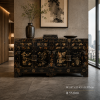
Console tables are exceptionally versatile within tropical homes. They can soften transitional spaces, define hallways, or create elegant moments between indoor and outdoor zones.
Antique Partitions
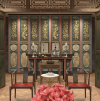
Traditional partitions and screens offer practical beauty. In open-plan villas or expansive condominiums, antique partitions help define areas while maintaining visual openness.
Accent Chairs
A pair of antique chairs can introduce craftsmanship and history without requiring a major redesign. Combined with contemporary fabrics and modern lighting, they create sophisticated seating arrangements that feel intentional and balanced.
Balancing Tropical Light, Texture, and Antique Wood
Natural light is one of the greatest assets of tropical architecture.
Rather than hiding antique furniture in darker corners, allow sunlight to reveal the depth of the wood grain and the nuances of age that make each piece unique.
Pair antique wood with materials commonly found in tropical interiors:
Linen upholstery
Natural cotton textiles
Travertine stone
Handwoven rugs
Rattan accents
Textured plaster finishes
The contrast between smooth contemporary surfaces and richly aged wood creates visual tension that feels elegant and timeless.
Restraint is equally important.
A room filled exclusively with antique furniture can feel heavy. Instead, allow individual pieces room to breathe. One substantial antique cabinet accompanied by contemporary furnishings often creates a stronger impression than multiple competing antiques.
Color palettes inspired by nature work particularly well. Warm ivory, sand, soft taupe, muted olive, and earthy green tones complement antique woods beautifully while maintaining a relaxed tropical atmosphere.
Styling Inspiration for Modern Bangkok Homes
Luxury Condominiums
Space is often more limited in urban residences, making careful furniture selection essential.
A single antique cabinet placed beneath contemporary artwork can become the defining feature of an entire living room. The juxtaposition of historical craftsmanship and modern design creates a refined, gallery-like effect.
Tropical Pool Villas
Pool villas offer opportunities for larger-scale compositions.
Antique sideboards, partitions, and console tables can create a visual rhythm throughout open-plan interiors. Their warmth helps balance expansive stone surfaces and large glass walls.
Boutique Hospitality Spaces
Hotels, private clubs, restaurants, and reception areas increasingly incorporate antique furniture to create memorable environments.
Rather than relying on obvious decorative themes, carefully selected Chinese antique furniture introduces authenticity, texture, and cultural sophistication.
Lessons from Traditional Chinese Courtyard Homes
Classical Chinese courtyard interiors emphasized balance, proportion, and thoughtful placement. Furniture was arranged to support movement, conversation, and daily life rather than simply filling space.
These principles remain valuable today. Tropical interiors benefit from the same sense of intentionality and spatial harmony.
Creating a Home That Feels Collected Rather Than Decorated
The most compelling interiors tell a story.
Chinese antique furniture works best when viewed as part of a broader design narrative rather than a standalone style. Combining historical pieces with contemporary architecture creates a layered environment that feels personal and enduring.
Unlike trend-driven furnishings, antique pieces continue to reveal new details over time. Subtle signs of age, handcrafted construction, and natural patina become increasingly appreciated through daily living.
Proper restoration and preservation play an important role in maintaining these qualities. Working with specialists who understand traditional craftsmanship helps ensure that antique furniture remains both functional and beautiful for future generations.
For homeowners, architects, and interior designers seeking Chinese Antique Furniture in Bangkok, Chinese House has been a trusted destination since 1990. Specializing in authentic Chinese antique furniture, carefully crafted reproductions, and professional restoration expertise, the company has helped countless clients integrate historical craftsmanship into modern interiors.
Conclusion
Styling Chinese antique furniture in tropical homes is not about recreating the past. It is about introducing history, craftsmanship, and character into contemporary living environments.
Whether through a scholar cabinet, an antique partition, or a beautifully aged console table, these pieces bring warmth and authenticity that modern furnishings rarely achieve.
In tropical interiors defined by light, openness, and natural materials, Chinese antique furniture creates a compelling sense of balance—one that feels both sophisticated and deeply livable.
FAQ
Is Chinese antique furniture suitable for humid tropical climates?
Yes. Many antique pieces were originally crafted from durable hardwoods and designed using traditional joinery techniques. Proper placement, ventilation, and maintenance help ensure long-term preservation.
What is the easiest Chinese antique piece to introduce into a modern home?
An antique cabinet or console table is often the most versatile starting point. These pieces add character without requiring a complete redesign.
Can Chinese antique furniture work in contemporary condominiums?
Absolutely. A single statement piece often creates a striking contrast against modern architecture, making it particularly effective in luxury condos and penthouses.