Where Heritage Meets Tropical Living

In Bangkok and across Thailand, homes often have a distinctive relationship with the outdoors: generous windows, shaded terraces, garden views, natural stone, timber and open-plan spaces. Chinese antique furniture can bring another layer to this setting—one of depth, material character and visual history—without requiring the room to become traditionally Chinese.
The most successful interiors are usually less about recreating a period and more about creating a considered relationship between heritage furniture and contemporary tropical architecture.
Understanding the Tropical Interior Before Placing Furniture
Humidity, Airflow and the Living Environment
Thailand's warm and humid climate makes the indoor environment an important consideration when living with antique furniture.
Timber responds to its surroundings. Changes in moisture can affect wood and finishes over time, particularly when furniture is repeatedly exposed to damp conditions followed by much drier air. For this reason, placement should begin with the environment rather than decoration.
Good airflow is particularly useful around substantial pieces such as Chinese antique cabinets, sideboards and screens. Avoid positioning furniture directly against persistently damp walls or in spaces where condensation, water exposure or poor ventilation may become a recurring problem.
Air-conditioned rooms introduce another consideration. A stable indoor environment can be helpful, but furniture should not be subjected unnecessarily to strong, concentrated streams of cold air. The aim is a comfortable, reasonably consistent environment rather than dramatic changes in temperature or humidity.
This is especially relevant in Bangkok residences where the same home may combine fully air-conditioned rooms with semi-open terraces, balconies or large transitional spaces.
Natural Light and Direct Sunlight
Tropical architecture often celebrates natural light. Large windows and open views can make a room feel spacious and connected to its surroundings.
For antique furniture, however, there is an important distinction between soft natural illumination and prolonged direct sunlight.
Strong sunlight can gradually affect timber surfaces and finishes. Positioning a Chinese antique cabinet or table directly beside a large unshaded window may therefore create unnecessary exposure over time.
Window treatments, architectural shading and careful furniture placement can help manage this without sacrificing the atmosphere of the room.
A beautifully lit antique piece does not need to sit directly in the sun. Filtered daylight can reveal texture, grain, surface variation and craftsmanship while allowing the furniture to remain protected from excessive exposure.
Creating Harmony Between Chinese Antique Furniture and Contemporary Materials
One of the most interesting qualities of tropical contemporary interiors is their material diversity. Timber can sit beside stone. Glass can open a room towards greenery. Metal can provide a precise architectural edge.
Chinese antique furniture can participate naturally in this conversation.
Timber with Timber
Pairing antique timber furniture with contemporary wood does not require the finishes to match exactly.
In fact, too much matching can make a room feel designed around a single material. Differences in tone, grain, texture and age can create greater visual depth.
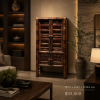
A Chinese antique cabinet against a quieter contemporary timber wall, for example, can become a distinct architectural element rather than disappearing into the background.
The same principle applies to dining furniture. An antique table can work with contemporary chairs, while a traditional Chinese chair can introduce a different rhythm around a modern table.
The objective is not uniformity. It is balance.
Stone, Glass and Metal
Natural stone can provide a particularly effective counterpoint to antique timber.
Marble, limestone and other mineral surfaces introduce coolness and visual clarity, while timber brings warmth and tactile character. The contrast can be especially effective in Bangkok homes where contemporary architecture often uses generous expanses of stone.
Glass offers another relationship.
A glass wall overlooking a garden or terrace can make an antique cabinet, screen or table appear even more distinctive because the surrounding architecture remains visually open. The furniture becomes a concentrated point of material character within a larger composition.
Metal can be used with similar restraint. Contemporary lighting, architectural hardware or carefully selected furniture details can provide a sharper edge around the softer visual qualities of timber.
Traditional Furniture in Contemporary Architecture
A Chinese antique piece does not necessarily need traditional surroundings.
A minimalist living room, a contemporary penthouse or a modern villa can provide an effective setting precisely because the architecture is restrained.
The contrast allows the furniture to be read clearly.
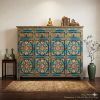
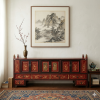
A cabinet may become a focal point against a simple wall. A screen can create a transition within an open-plan space. A sideboard can introduce warmth beneath a contemporary artwork.
This approach avoids turning the interior into a themed room. Instead, heritage furniture becomes part of a broader architectural composition.
Furniture Placement in Open Tropical Spaces
Use Proportion Before Decoration
Open tropical spaces can easily make individual furniture pieces appear smaller than expected.
High ceilings, large windows and generous floor plans create substantial visual volume. A piece that appears impressive in a showroom may feel surprisingly restrained once placed inside a large Bangkok villa or penthouse.
Proportion therefore deserves attention before decoration.
Consider the relationship between the furniture's width, depth and height and the architecture surrounding it. Consider circulation as well. A cabinet should have enough breathing room to be appreciated, while a dining table needs sufficient clearance for comfortable movement.
Negative space is part of the composition.
Leaving space around an exceptional antique piece can often give it greater presence than surrounding it with numerous decorative objects.
Defining Space Without Closing It
Open-plan living is common in contemporary residences, but openness does not mean every area needs to remain visually undifferentiated.
Chinese Antique & Reproduction Screens can be particularly useful in this context.
A screen can suggest a boundary between a living and dining area without constructing a permanent wall. It can provide visual separation while maintaining the sense of continuity that makes open-plan architecture attractive.
Cabinets and sideboards can perform a similar role.
Rather than treating them only as storage, consider their position within the architecture. A substantial cabinet can anchor an otherwise open wall. A sideboard can establish a visual line within a dining area. A console table can help define a transition between spaces.
The furniture becomes part of the spatial planning.
Connecting Indoor and Outdoor Living
Tropical architecture often places great emphasis on the relationship between interior and landscape.
A living room may open towards a garden. A dining area may face a pool terrace. Large glazed surfaces may make greenery part of the interior composition.
Chinese antique furniture can strengthen this relationship by introducing a warm, tactile element against the openness of the landscape.
There is, however, an important distinction between creating an indoor-outdoor visual connection and placing antique furniture outdoors.
Direct exposure to rain, uncontrolled humidity, strong sunlight and rapid environmental changes can create unnecessary risks. Antique furniture should generally remain within an appropriately protected interior environment.
Instead, use sightlines.
An antique cabinet positioned near a garden-facing wall can visually connect the interior to the landscape without being exposed to it. A screen can frame a view. A table can sit beneath filtered daylight while greenery remains visible beyond it.
The result is a relationship between heritage and tropical living rather than a literal merging of indoor and outdoor conditions.
Applying Chinese Antique Furniture to Bangkok and Thailand Homes
Luxury Condominiums and Penthouses
Bangkok condominiums and penthouses often combine high ceilings, expansive glazing, open-plan living and strong views across the city.
These characteristics can create an excellent setting for carefully selected Chinese antique furniture.
The challenge is scale.
A small piece can become visually lost within a large contemporary room, while too many substantial pieces can make circulation feel crowded. The strongest approach is often selective: allow one cabinet, table, screen or sideboard to establish character, then give the surrounding architecture enough space to remain visible.
Large windows also make light management important. Sheer curtains, blinds and architectural shading can help control intense sunlight while preserving the room's natural brightness.
Pool Villas and Tropical Residences
Villas offer a different relationship with landscape.
Rooms may open towards gardens, courtyards, terraces or pools, creating a sense of continuous movement between architecture and nature.
Here, Chinese antique furniture can provide a grounding element.
The warmth of timber can sit comfortably alongside stone flooring, natural fabrics and contemporary architectural forms. A cabinet can anchor a quiet corner. A dining table can provide a tactile centre to a more expansive room. A screen can create definition without obstructing the view.
The important consideration is exposure.
Furniture should remain protected from direct weather and excessive sunlight, even when the surrounding architecture is designed for outdoor living.
A More Refined Approach to Mixing Styles
A tropical interior does not need to contain numerous Chinese elements to establish a relationship with Chinese furniture.
In many cases, restraint creates greater sophistication.
One substantial antique cabinet may provide enough historical character for an otherwise contemporary living room. A single screen may introduce pattern and structure into a calm architectural space. An antique table can become the centre of a dining room without requiring traditional decoration throughout the rest of the home.
Modern upholstery, natural textiles, contemporary lighting and restrained accessories can all coexist with antique furniture.
The common thread is proportion and material awareness.
Rather than asking whether every object belongs to the same style, consider whether the objects belong together visually.
Caring for Chinese Antique Furniture in a Tropical Climate
Everyday Environmental Care
The most useful approach to caring for antique furniture in Thailand is often simple environmental awareness.
Keep furniture in a reasonably stable indoor environment where possible. Avoid persistent dampness, direct heat and prolonged exposure to strong sunlight.
Good airflow is also valuable, particularly around larger cabinets and pieces positioned near walls.
Where air-conditioning is used, avoid directing strong airflow continuously onto a single piece. The objective is to create a comfortable indoor environment rather than expose furniture to repeated environmental extremes.
Placement and Cleaning
Think carefully about water.
Furniture should not be positioned where accidental splashes, condensation or moisture are likely to become routine. This is particularly important near kitchens, bathrooms, open terraces and areas where indoor and outdoor conditions meet.
Cleaning should also be approached gently.
Antique surfaces can have considerable visual character, and aggressive cleaning products or unsuitable treatments may alter finishes unnecessarily. Routine dust removal with appropriate gentle methods is generally preferable to attempting to restore a surface through unverified treatments.
When a piece has a significant structural, surface or finish concern, professional assessment is more appropriate than experimenting with household products.
When Professional Care Is Appropriate
Antique furniture deserves a different mindset from ordinary contemporary furniture.
A mark, surface variation or sign of age should not automatically be treated as a defect. At the same time, structural movement, loose components, significant cracking or other concerns should not simply be ignored.
When intervention is necessary, the objective should be to understand the furniture first and then determine what level of care is appropriate.
This is particularly important in a tropical climate, where environmental conditions can change the way timber behaves.
Heritage That Belongs to the Way We Live Now
The appeal of Chinese antique furniture in a tropical home is not based on recreating the past.
It lies in creating a relationship between different qualities: heritage and modern architecture, warm timber and cool stone, filtered sunlight and shaded interiors, enclosed rooms and open tropical landscapes.
In Bangkok and throughout Thailand, the best results often come from considering the furniture as part of the architecture.
Humidity and airflow matter. Light matters. Placement matters. Scale matters. So does the relationship between an antique surface and the contemporary materials around it.
A carefully chosen Chinese antique cabinet can bring warmth to a minimalist room. A screen can give definition to an open-plan interior. A table can introduce a tactile centre to a contemporary dining space.
The furniture does not have to dominate the room.
It simply needs enough space, light and context to be appreciated.
For homeowners, designers and architects exploring this balance, Chinese House offers a collection of Chinese antique and reproduction furniture that can be considered within a contemporary Thai interior. The most compelling piece is often the one that feels as though it belongs to the architecture—not because it matches everything around it, but because it gives the room another layer of character.
Frequently Asked Questions
Can Chinese antique furniture work in a tropical climate?
Yes, provided the interior environment and placement are considered carefully. Stable indoor conditions, reasonable airflow, protection from excessive humidity and avoidance of prolonged direct sunlight are important considerations.
Should Chinese antique furniture be placed near large windows?
It can be, but prolonged direct sunlight should be avoided where possible. Filtered natural light can provide the visual benefits of a bright interior while reducing unnecessary exposure to strong sunlight.
How can I combine Chinese antique furniture with a modern interior?
Begin with proportion, material and placement rather than trying to match styles. Chinese antique furniture can work particularly well with contemporary timber, stone, glass, natural textiles and restrained architectural details. A small number of carefully selected pieces can provide character without making the room feel themed.
Related Contents