
Chinese Antique Geometric Fretwork Screen - 4 panels
Quantity
Short Description
The most compelling element in a thoughtfully designed room is not always the largest or most colourful. Sometimes, it is the piece that introduces a different visual language. This Chinese antique screen does so through intricate geometric fretwork, dark brown timber and carved ornamental details that contrast with the simplicity of contemporary interiors.
Dimension: Width 54 x Depth 5 x Height 258 cm.
Price: 156000 Baht
A Study in Geometry, Timber and Contrast
The most compelling element in a thoughtfully designed room is not always the largest or most colourful. Sometimes, it is the piece that introduces a different visual language. This Chinese antique screen does so through intricate geometric fretwork, dark brown timber and carved ornamental details that contrast with the simplicity of contemporary interiors.
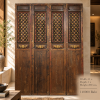
Its four-panel composition creates a strong architectural rhythm. Each panel features an elaborate lattice pattern framed by substantial wooden borders, with recessed rectangular details above and carved bands below. Broad solid panels anchor the lower portion, balancing the complexity of the fretwork.
The timber adds another layer of interest. Visible grain, tonal variation and areas of surface wear give the dark brown wood a distinctive character. Against the regular geometry of the lattice, these variations create a balance between order and individuality.
Rather than relying on elaborate decoration throughout a room, this screen offers a way to concentrate visual interest in one considered element.
The Character of Geometric Fretwork
The defining feature is the intricate latticework. Its interlocking angular lines form a repeating pattern of rectangular openings and connected shapes. Unlike a simple grid, the fretwork has multiple changes of direction, creating a pattern that rewards closer attention.
The surrounding frames establish a clear boundary around the lattice sections. Above them, recessed rectangular panels introduce a quieter detail. Beneath the fretwork, carved ornamental bands add flowing motifs that contrast with the angular geometry. The broad lower panels then restore a sense of visual calm.
This sequence gives the screen its internal structure: geometric detail, decorative relief and substantial wooden surfaces work together rather than competing for attention.
The repeated design across all four panels creates continuity when the screen is viewed as a whole. At the same time, the variations visible in the timber keep the composition from feeling completely uniform.
It is this combination of precision in pattern and individuality in surface that makes the screen visually distinctive.
Why It Works in a Wabi-Sabi Interior
Wabi-Sabi interiors often draw their character from natural materials, restrained palettes and the relationship between simplicity and imperfection. This screen offers a natural point of connection through its visible grain, varied surface tones and worn areas.
Its intricate fretwork supplies the detail, while the dark timber introduces warmth and visual weight. Against a textured beige wall or pale stone surface, the screen can become the principal decorative element without requiring additional ornament.
A restrained setting allows its qualities to remain clear. Natural fabrics, simple furniture silhouettes and a limited palette of warm neutrals provide a calm counterpoint to the geometric pattern.
The objective is not to make every element appear aged or rustic. Instead, the screen can provide a contrasting layer within an otherwise contemporary interior, allowing traditional Chinese design and modern simplicity to coexist.
A Screen That Helps Define Space
A screen can influence how a room is experienced, not simply how it looks. It can establish a visual boundary between adjoining areas, create a backdrop for a seating arrangement or give an open-plan space a more deliberate composition.
In a living area, the fretwork can provide a decorative background that adds depth without introducing another uninterrupted wall surface. Between a lounge and dining area, the screen can suggest separate functions while maintaining a distinct visual relationship between the two zones.
Its placement should follow the needs of the room. Consider the surrounding furniture, circulation routes, viewing angles and available light. A relatively quiet background will allow the fretwork to stand out, while placing the screen among several competing patterns may diminish its impact.
If it is intended for practical partitioning, installation stability and mounting requirements should be assessed separately. The screen's suitability for a particular layout depends on the actual installation conditions, not appearance alone.
Styling Dark Timber with Natural Materials
The dark brown timber is particularly effective against warm ivory, beige plaster and pale natural stone. These materials provide tonal contrast while maintaining a calm atmosphere.
For a contemporary villa, simple upholstered seating, natural textiles and restrained accessories can support the screen without competing with its detailed surface. A ceramic vessel or a single artwork may add interest, but the surrounding decoration need not be elaborate.
Lighting also influences how the latticework reads. Soft natural side lighting can reveal the depth of the wooden frames and carved bands. Gentle shadows within the fretwork help distinguish its overlapping lines, while warmer ambient lighting can emphasize the brown tones of the timber.
In a Bangkok residence, this approach can connect traditional Chinese furniture with contemporary architecture. Rather than recreating a fully traditional interior, the screen becomes a bridge between the two: a decorative element with a clear visual identity, placed within a modern setting.
Appreciating the Surface and Material Character
The screen's visible surface contributes to its individuality. The timber displays differences in tone and grain, along with worn areas that interrupt the darker finish. These details contrast with the repeated geometry and carved decoration.
For someone furnishing a home, such characteristics can be more engaging than a perfectly uniform surface. They give the eye different details to explore, from the larger composition of the four panels to the smaller variations within the wood.
The visible condition should be described accurately. Surface wear and colour variation are observable features, but they do not independently establish a specific age, historical period or provenance. The design's appeal can be understood through the fretwork, carving, proportions and material presence without relying on unsupported historical claims.
Choosing a Place for the Screen
The screen can work as a focal point behind a seating arrangement, as a decorative boundary between adjoining areas or as an architectural feature within a larger room. The strongest placement will be one that gives the fretwork enough visual space to be appreciated.
Before deciding on its position, consider how people will move through the room, whether the screen will be viewed from both sides, and how daylight changes across the surrounding surfaces. These practical considerations help the piece become part of the interior rather than an isolated display object.
For homeowners and interior designers, the goal is to balance its strong visual presence with the requirements of daily living.
A Distinctive Piece for a Considered Home
This Chinese antique screen brings together several qualities that work particularly well in a thoughtfully curated interior: intricate geometric fretwork, carved ornamental bands, recessed panels and dark timber with visible surface character.
Its appeal lies in how these elements work together. The fretwork introduces complexity, the broad wooden panels provide balance, and the varied timber surface adds individuality. As a screen or partition, it can also contribute to the organization of space.
For collectors, homeowners and interior designers who appreciate traditional Chinese furniture, it offers a way to incorporate a distinctive decorative form into contemporary living without overwhelming the architecture.
Explore the Chinese Antique & Reproduction Screens category at Chinese House to consider how screens can define interiors, create visual separation and connect traditional design with modern materials.


 MakeWebEasy