
Chinese Antique Floral Lattice Screen ( 2 panels )
Quantity
Short Description
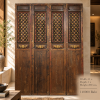
A room does not need elaborate decoration to feel distinctive. Sometimes, the strongest result comes from one carefully chosen object that introduces a different pattern, material or visual rhythm. This two-panel Chinese antique screen offers that opportunity through its circular latticework, gold-toned floral details and warm reddish-brown timber.
Dimension: Width 58 x Depth 5 x Height 275 cm.
Price: 70000 Baht
Traditional Ornament in a Naturally Restrained Interior
A room does not need elaborate decoration to feel distinctive. Sometimes, the strongest result comes from one carefully chosen object that introduces a different pattern, material or visual rhythm. This two-panel Chinese antique screen offers that opportunity through its circular latticework, gold-toned floral details and warm reddish-brown timber.
The design brings together two contrasting qualities. The upper sections are intricate and decorative, with repeated circular forms and small floral motifs. Below them, broad solid wooden panels provide visual weight and a calmer surface. Carved ornamental bands connect these sections, creating a layered composition that feels structured without appearing overly formal.
This contrast makes the screen particularly interesting for interiors that favour natural materials and restrained decoration. Rather than filling a room with multiple accessories, it can establish a focal point around which the rest of the space is arranged.
A Closer Look at the Decorative Details
The most distinctive feature is the repeated circular lattice pattern. Interlocking rings create a consistent framework, while gold-toned floral ornaments add contrast against the darker openings. The reddish-brown framing defines each lattice section and gives the decorative pattern a clear boundary.
Above the latticework, recessed rectangular panels provide a relatively quiet detail. Beneath it, carved horizontal bands introduce flowing ornamental motifs with gold-toned accents. The large lower panels then return the composition to broader wooden surfaces, where grain, knots and tonal variations remain visible.
These elements work together rather than competing for attention. The circular lattice provides rhythm, the floral details create points of visual interest, and the broad wooden panels establish balance. From a distance, the screen reads as a unified composition. At closer range, its smaller decorative elements reward attention.
The visible surface also contributes to its character. Variations in colour, wood grain and signs of wear distinguish the timber from a uniformly finished modern furnishing. These are observable features of the piece, rather than evidence for any particular historical date or provenance.
Why It Suits a Wabi-Sabi Interior
Wabi-Sabi-inspired interiors often favour natural materials, restrained colours and an appreciation of visible texture. This screen can complement that approach through its warm timber, varied surface and combination of intricate decoration with broad, relatively simple panels.
The key is to let the screen provide most of the decorative complexity. A background of textured beige plaster, warm ivory walls or pale natural stone allows the reddish-brown wood and gold-toned details to stand out without requiring additional ornament.
Furniture with simple silhouettes can reinforce the balance. Neutral upholstery, natural fabrics, understated tables and a limited selection of decorative objects keep the room visually calm. The result is not a reproduction of a traditional Chinese interior, but a contemporary space in which Chinese decorative design becomes part of a more restrained architectural setting.
The screen can also complement interiors that combine modern furniture with selected traditional objects. Its circular geometry offers a clear decorative pattern, while the natural variations in the timber help it sit comfortably among other tactile materials.
Using a Screen to Define Space
A screen can contribute to the organization of a room as well as its appearance. Positioned beside a seating area, it can establish a decorative backdrop. Placed near the transition between two adjoining functions, it can help distinguish areas visually without requiring the entire interior to be divided by solid walls.
In a living room, the screen could sit behind a console or alongside a seating arrangement. In an open-plan residence, it may help establish a more deliberate relationship between living and dining areas. It can also provide a distinctive visual feature in an entrance or reception space.
Placement matters. A relatively quiet wall gives the circular latticework room to stand out, while soft side lighting can reveal the depth of the frames, carved bands and gold-toned details. The surrounding furniture should support the composition rather than compete with its pattern.
If the screen is intended for practical use as a room divider, its installation and stability should be assessed separately. Suitability depends on the intended position and installation conditions.
Bringing Chinese Decorative Design into Contemporary Living
For a contemporary residence in Bangkok, the screen offers a way to introduce traditional Chinese furniture without requiring a fully traditional setting. Pairing it with natural stone, textured plaster and modern furnishings creates a dialogue between decorative detail and architectural simplicity.
The reddish-brown timber can relate to other warm materials in the room, while the gold-toned ornaments introduce small areas of contrast. Neutral surroundings help maintain balance, allowing the screen to remain the principal decorative feature.
This approach also gives the piece flexibility as the interior evolves. A restrained setting can accommodate changes in artwork, upholstery or accessories without losing the screen's distinctive visual role.
A Considered Choice for the Home
The appeal of this Chinese antique screen lies in the relationship between its circular geometric latticework, gold-toned floral details, carved ornamental bands and broad wooden panels. Each element contributes something different, from intricate pattern to material warmth and visual balance.
For homeowners, collectors and interior designers, it offers an opportunity to shape a room through a single distinctive object rather than an accumulation of decoration. It can serve as a focal point, provide a decorative boundary or connect traditional Chinese design with contemporary materials.
Its value within an interior comes from these visible qualities and the role it can play in the surrounding space. The screen is particularly suited to a home where texture, contrast and carefully selected furniture matter more than decorative excess.
Explore the Chinese Antique & Reproduction Screens category at Chinese House to consider how Chinese screens can contribute to contemporary residences and thoughtfully curated interiors.


 MakeWebEasy