
Chinese Antique Geometric Fretwork Screen ( 6 panels )
Quantity
Short Description
A distinctive interior does not always need more decoration. Sometimes, the difference comes from introducing an object with enough visual character to change how the surrounding space is perceived.
Dimension: Width 59 x Depth 5 x Height 270 cm.
Price: 228000 Baht
When Traditional Geometry Becomes Architecture
A distinctive interior does not always need more decoration. Sometimes, the difference comes from introducing an object with enough visual character to change how the surrounding space is perceived.
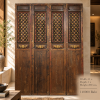
This six-panel Chinese antique screen offers that possibility through its intricate geometric fretwork, dark reddish-brown timber and carved ornamental details. The repeated lattice patterns establish a strong rhythm, while the broad wooden panels provide visual weight. Together, they create a composition that feels architectural rather than merely decorative.
Its appeal is particularly clear in a contemporary interior. Against pale stone, textured plaster or warm neutral walls, the dark timber creates contrast without relying on bright colour. The fretwork introduces complexity, while the solid lower panels help maintain a sense of balance.
For a homeowner who appreciates traditional Chinese furniture but prefers a modern architectural setting, this screen offers a way to bring the two together through material, pattern and proportion.
The Character of the Geometric Fretwork
The latticework is the defining visual feature. Closely arranged lines turn through repeated right angles, forming an intricate network of interlocking shapes and openings. The pattern invites closer attention, revealing a level of visual complexity that differs from a simple square grid.
Each lattice section sits within a substantial wooden frame. Above it, recessed rectangular panels provide a quieter detail. Beneath the fretwork, carved ornamental bands introduce flowing motifs that contrast with the angular geometry. Additional raised and recessed sections create further changes in depth across the panels.
The result is a carefully layered visual composition. The lattice attracts attention through pattern, the carving contributes decorative detail, and the larger wooden surfaces restore visual calm.
Across six panels, the repeated structure creates continuity. Yet the visible differences in colour, grain and surface wear keep the timber from appearing entirely uniform. The combination of repeated geometry and individual surface character gives the screen its distinctive presence.
A Natural Focal Point for Contemporary Architecture
The screen works particularly well when the surrounding interior allows its details to remain visible. A restrained palette of warm ivory, beige, stone and natural wood creates a setting in which the darker timber stands out.
In a contemporary luxury villa, it can serve as a backdrop for a seating arrangement, distinguish a living area from an adjoining dining space, or introduce a decorative architectural feature into a larger open-plan room.
Its visual strength comes from contrast. The screen contains intricate patterns and layered detailing, so furniture around it can remain comparatively simple. Upholstery in neutral tones, natural fabrics and clean-lined tables allow the fretwork to retain its prominence.
This approach avoids the need to reproduce a fully traditional Chinese interior. Instead, the screen becomes a connection between traditional decorative design and contemporary architectural restraint.
Using a Screen to Shape a Room
A screen can contribute to the organization of a room as well as its appearance. It can suggest a boundary between adjoining functions, establish a backdrop or create a more deliberate arrangement within an open area.
For example, placing a screen near the transition between living and dining spaces can help distinguish the two areas visually. Behind a seating arrangement, it can introduce pattern and depth. In an entrance or reception space, it can establish a distinctive first impression through its architectural detailing.
The best placement depends on the room's circulation, furniture arrangement and available light. A relatively quiet background helps the geometric pattern remain legible, while sufficient viewing distance allows the repeated design across the panels to be appreciated as a whole.
If the screen is intended to function as a practical room divider, the installation should be assessed separately. Stability, mounting requirements and the intended position should be considered before use.
Styling Dark Timber with Natural Materials
The dark reddish-brown timber pairs naturally with warm neutral interiors. Pale limestone, beige plaster and ivory walls create contrast without making the screen feel disconnected from its surroundings.
Natural textures can strengthen this relationship. Linen upholstery, understated rugs and restrained ceramic accessories add material interest without competing with the carved bands and latticework.
Lighting is equally important. Soft natural side lighting reveals the depth of the wooden frames and brings out differences in the timber's surface. Gentle shadows within the fretwork help distinguish the interlocking lines, while warm-neutral daylight maintains the overall calm of the room.
For a Bangkok residence, this styling approach offers a practical way to incorporate Chinese antique furniture into contemporary living. The aim is not to make every element traditional, but to create a considered relationship between the screen, the architecture and the materials around it.
Appreciating the Wood's Visible Character
The screen's dark timber has variations in tone, visible grain, knots and areas of surface wear. These characteristics create a different visual experience from a uniformly finished modern furnishing.
They also complement the precision of the geometric lattice. The fretwork follows a repeated pattern, while the wood introduces natural variation. This contrast allows the screen to feel structured without appearing visually mechanical.
For people furnishing a home, material character can be an important part of the decision. A piece with distinctive detailing can provide a lasting point of interest even when the surrounding decoration changes over time.
The visible surface should be appreciated accurately. Grain, tonal differences and wear are observable features, but they do not independently establish a specific historical date, dynasty or provenance. The screen's design and material presence provide sufficient grounds for understanding its decorative appeal without unsupported historical claims.
Choosing a Piece That Reflects Personal Taste
Furniture can communicate taste through more than style labels. The objects chosen for a home reveal how the owner balances pattern, material, simplicity and detail.
This screen suits interiors where a strong decorative element is given space to stand on its own. Its geometric fretwork appeals to an appreciation of ordered patterns, while the dark timber and carved bands contribute depth and traditional character.
It can be paired with modern furniture for contrast or incorporated into a more layered interior with other carefully selected Chinese furnishings. In either case, the surrounding elements should support rather than compete with the screen.
The result is a room shaped by deliberate choices instead of accumulated decoration.
A Distinctive Chinese Antique Screen for Considered Interiors
This six-panel screen combines intricate geometric fretwork, carved ornamental bands, recessed rectangular details and dark reddish-brown timber. Its visual strength lies in the relationship between repeated pattern, substantial wooden surfaces and visible material variation.
Within a contemporary villa, it can help define space, establish a focal point and introduce traditional Chinese design into a restrained architectural setting.
For homeowners, interior designers and collectors who appreciate the connection between furniture and architecture, it offers a distinctive way to shape a room around a meaningful decorative element.
Explore the Chinese Antique & Reproduction Screens category at Chinese House to see how Chinese screens can support different interior arrangements, from contemporary residences to more traditionally layered spaces.


 MakeWebEasy