
Weathered Lattice Chinese Antique Screen ( 4 panels )
Quantity
Short Description
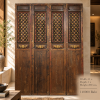
A memorable interior is not always created by adding more decoration. Sometimes, a single piece with a strong visual identity can change the way an entire room is perceived. This four-panel Chinese antique screen offers that possibility through its dark reddish-brown timber, vertical latticework, carved ornamental bands and visibly weathered lower panels.
Dimension: Width 59 x Depth 5.5 x Height 274 cm.
Price: 116000 Baht
Architectural Character Through Wood, Pattern and Surface
A memorable interior is not always created by adding more decoration. Sometimes, a single piece with a strong visual identity can change the way an entire room is perceived. This four-panel Chinese antique screen offers that possibility through its dark reddish-brown timber, vertical latticework, carved ornamental bands and visibly weathered lower panels.
The design is defined by contrast. Closely spaced wooden slats create a repeating vertical rhythm across the upper sections. The recessed rectangular panels above them introduce a quieter geometric element, while carved horizontal bands provide a decorative transition to the broad wooden surfaces below. Together, these details give the screen a layered composition that feels architectural as well as decorative.
The timber is equally important to its character. Its reddish-brown colour varies across the surface, with darker areas, visible grain and irregular marks that remain part of the overall appearance. Rather than presenting a uniformly finished surface, the screen has a more expressive visual quality. These are visible characteristics of the piece; they should not be taken as proof of a specific age, dynasty or provenance.
Why the Latticework Matters
The vertical lattice is the feature that gives the screen its distinctive rhythm. Repeated slats establish a clear pattern, while the horizontal crosspieces interrupt that rhythm at intervals. The effect is structured but not visually static. Light passing through the openings can also introduce subtle changes in shadow, depending on the position of the screen and the lighting in the room.
The recessed upper panels add weight to the composition without competing with the latticework. Beneath the slats, carved ornamental bands provide a more intricate detail before the design returns to broad, solid lower panels. This alternation between openwork, carving and solid timber keeps the screen visually engaging across its full height.
The four-panel arrangement reinforces the repetition. Each section shares a related structure, but the visible differences in colour and surface keep the overall composition from feeling mechanically uniform. The result is a screen that can be appreciated from across a room while still offering details worth examining at closer range.
A Natural Counterpoint to Contemporary Luxury
In a contemporary luxury villa, furniture and architecture often rely on clean lines, generous space and carefully controlled colour. This screen can introduce a contrasting layer of warmth and decorative complexity.
Consider placing it against pale limestone, warm ivory plaster or another restrained background. These surfaces allow the darker timber and vertical latticework to stand apart without competing with the surrounding architecture. Natural fabrics, understated upholstery and furniture with simple silhouettes can maintain the balance.
The objective is not to make the entire room traditional. Instead, the screen can become one considered element within a contemporary composition. Modern furniture provides visual simplicity; the screen contributes pattern, texture and a connection to Chinese decorative design. That contrast can make both elements more noticeable.
Soft natural side lighting is particularly suitable for this approach. It can reveal variations in the wood surface and the depth of the carved bands while allowing the lattice openings to remain visually legible. Strong decorative lighting is not necessary when the material and pattern already provide interest.
Using a Screen to Shape a Room
Beyond its decorative role, a screen can help define how an interior is experienced. In an open-plan living area, it may establish a visual boundary between seating and dining spaces. Behind a console, it can create a distinctive backdrop. Near an entrance, it can introduce a transition between the arrival area and the main living space.
The best position depends on the architecture and intended use. A relatively uncluttered background gives the latticework room to stand out. Furniture placed nearby should complement its strong vertical lines rather than obscure them.
A screen can create visual separation, but it should not automatically be treated as a substitute for a fully enclosed wall. If it is intended for practical room division, the installation, support and stability should be assessed for the specific setting.
For interior designers, the piece offers a way to introduce a traditional Chinese design element into a modern residential project without relying on a themed or historically styled interior. Its geometry works with contemporary lines, while the varied timber surface brings a more tactile dimension to the room.
Choosing a Piece with Lasting Visual Relevance
The appeal of this screen rests on identifiable features rather than an elaborate historical narrative. The dark reddish-brown timber establishes a warm foundation. The latticework creates a strong visual rhythm. Carved ornamental bands add detail, and the visibly weathered lower panels introduce variation across the surface.
These qualities give the screen several possible roles. It can be the principal decorative feature in a restrained room, an architectural backdrop within an open-plan residence, or a contrasting element among contemporary furnishings. Its effectiveness depends on thoughtful placement and allowing the surrounding interior enough visual space.
For homeowners and collectors who prefer a curated approach to furnishing, this is an opportunity to build a room around a distinctive object rather than accumulate decoration. The screen can connect traditional Chinese design with modern materials, helping a contemporary interior feel more personal and less predictable.
At Chinese House in Bangkok, the focus is on helping customers consider how Chinese antique furniture relates to real living spaces. When choosing a screen, look beyond its decorative pattern alone: consider the background, available light, nearby furniture and whether the piece will serve primarily as a focal point or a visual divider.
The result can be a more deliberate interior—one in which the screen contributes warmth, structure and character without overwhelming the architecture.


 MakeWebEasy