Modern Zen: Mixing Chinese Antiques with Contemporary Decor
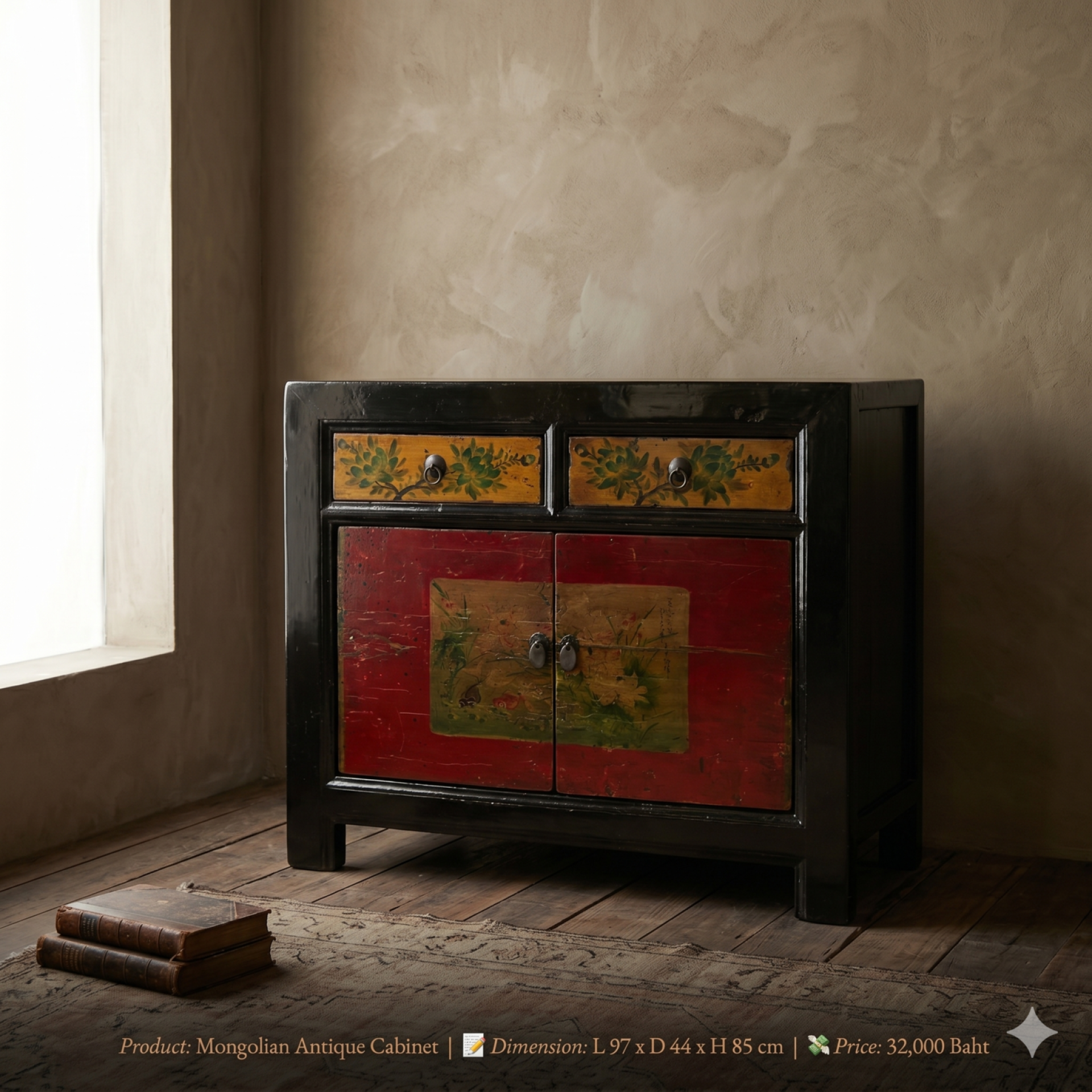
The most sophisticated homes in Bangkok and beyond are moving away from the "showroom" look in favor of curated, soulful spaces that tell a story. Incorporating Chinese antique furniture into modern home decor is the ultimate secret of top-tier interior designers to add instant character, architectural weight, and a sense of history to a sleek, contemporary environment.
At Chinese House 1990, we believe that a centuries-old cabinet shouldn't just be a museum piece; it should be a functional, breathing part of your lifestyle. Whether you live in a minimalist high-rise condo or a sprawling modern villa, blending the old with the new creates a "Modern Zen" aesthetic that feels both grounded and incredibly luxurious.
The Art of the Eclectic: Why Antiques Elevate Modernism
Modern design often relies on clean lines and neutral palettes, which can sometimes feel clinical. A singular, well-placed Chinese antique breaks this monotony by introducing organic textures, deep hand-rubbed lacquers, and intricate hand-carved details.
1. The Power of the Statement Piece
You don't need a room full of antiques to make an impact. In fact, the most successful modern-oriental fusions rely on one or two "hero" pieces.
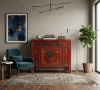
The Living Room Focal Point: Replace a generic media console with a long, low Chinese coffer or a vibrant red-lacquered sideboard. The contrast between your sleek OLED screen and the distressed wood of a 19th-century piece is visually stunning.
The Grand Entrance: A tall, majestic wedding cabinet in the foyer serves as both a conversation starter and a practical storage solution for a busy household.
2. Playing with Color and Texture
Chinese antiques offer a rich palette that complements modern grays, whites, and earth tones.
Cinnabar Reds & Jades: A pop of traditional Chinese red can energize a monochromatic room.
Raw Elm & Cypress: The visible grain of unpainted Northern Chinese furniture provides a "Japandi" or "Wabi-Sabi" feel that is highly trending in luxury Thai residences.
3. Functional Fusion: Beyond Decoration
The beauty of premium Chinese furniture is its inherent practicality. These pieces were designed for daily life.
Home Office Elegance: Use a classic scholar’s desk as your primary workspace. Its ergonomic simplicity promotes focus and adds an air of intellectual authority to your home office.
The Modern Minibar: A traditional kitchen cabinet or "food cupboard" with slatted doors makes for an exquisite ventilated bar cabinet for your premium spirits and glassware.
Tips for a Balanced Design
To ensure your home feels curated rather than cluttered, follow the 80/20 Rule: Keep 80% of your room modern and clean, and let the remaining 20% be dedicated to high-impact antiques. This allows the craftsmanship of the older pieces to truly shine without overwhelming the space.