How to Use One Chinese Antique Piece to Create a More Personal Entryway
956 Views
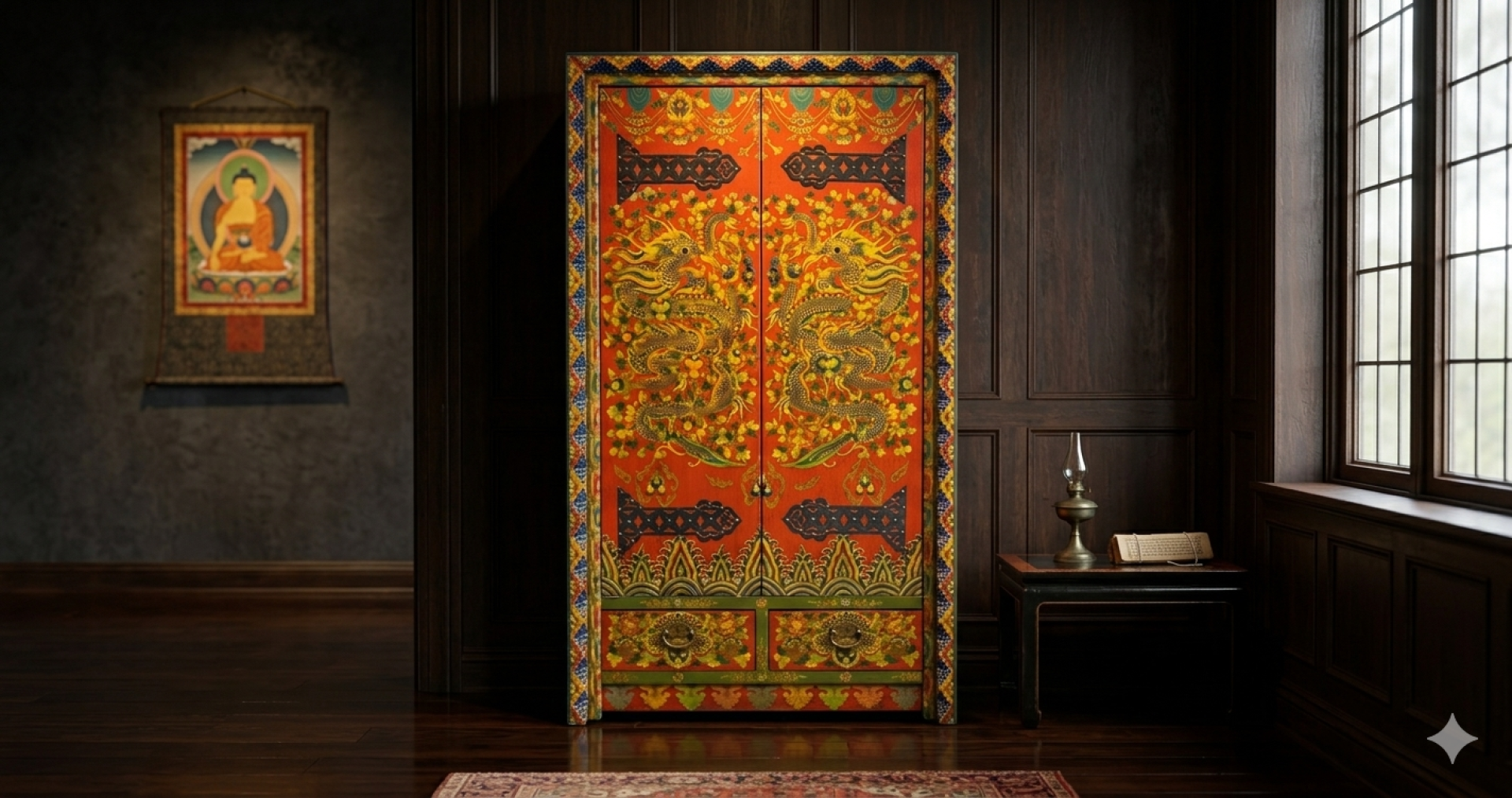
Let the Entryway Begin with One Considered Piece
An entryway sets the tone before the rest of the home has been seen. It is a transition between outside and inside, but it is also the first opportunity to reveal something about the person who lives there.
This is where one Chinese antique piece can have unusual impact.
A carefully chosen cabinet, console table, screen or other piece of Chinese antique furniture can create a visual anchor without making the entrance feel staged. The intention is not to turn the space into a themed interior. It is to introduce one object with enough character to make the surrounding architecture feel more considered.
The restraint is important.
A strong piece does not need to compete with several decorative objects. It can simply hold its position within the room, allowing its form, surface and craftsmanship to become part of the architecture.
Choose the Right Chinese Antique for the Space
The first consideration should be proportion.
An entrance in a Bangkok condominium may require a very different piece from the generous foyer of a private villa. A narrow console can work beautifully along a circulation wall, while a cabinet may be more appropriate where additional storage or visual weight is needed.
The furniture should support movement rather than obstruct it.
Look at the width of the wall, the height of nearby doors, the relationship between the ceiling and floor, and the natural path through the entrance. The right Chinese antique should feel as though it belongs to the space rather than having been placed there afterward.
When a Console Table Creates Quiet Focus
A Chinese Antique & Reproduction Console Table can provide a particularly elegant starting point for an entryway.
Its horizontal form creates a natural visual line, while the wall above can remain relatively quiet. A single artwork, ceramic object or carefully selected decorative piece may be enough to complete the composition.
The objective is balance rather than abundance.
When a Cabinet Adds Depth and Storage
A Chinese Antique Cabinet introduces a different quality. Its vertical form can create stronger architectural presence, particularly against a large wall or within a spacious entrance.
It can also provide practical storage, allowing everyday objects to disappear from view while the furniture itself remains visually expressive.
In either case, the furniture should be selected for the actual proportions of the room rather than simply for its appearance in isolation.
Create Contrast with the Contemporary Interior
Chinese antique furniture can feel especially distinctive when placed within a restrained contemporary interior.
Against clean walls, modern flooring and simple architectural lines, an antique surface can introduce variation without requiring additional decoration. Differences in texture, proportion and finish create visual interest naturally.
This is particularly effective in modern Bangkok residences, where the architecture may be intentionally minimal.
The contrast gives the antique room to speak.
A dark wooden cabinet against a pale wall, for example, can establish a quiet focal point. A more understated piece can work almost like a layer of texture, adding depth without becoming the dominant feature.
The surrounding architecture should remain calm enough for the furniture to retain its individuality.
Build the Entryway Around Light, Texture and Negative Space
Once the main piece has been chosen, resist the temptation to fill every available surface.
Negative space is part of the composition.
Natural light can reveal subtle variations across a wooden surface, while evening lighting can create a different atmosphere through shadow and texture. These changes allow the furniture to remain visually interesting without additional ornament.
The wall, floor and surrounding space should have room to breathe.
A single vase, ceramic object, framed artwork or another meaningful piece may be sufficient. What matters is the relationship between the objects rather than the number of them.
The result should feel curated rather than decorated.
Make the Piece Feel Personal Rather Than Simply Decorative
The most successful entryways usually say something about the person who lives beyond them.
That does not necessarily mean displaying personal photographs or collections. Personal character can come through the furniture itself: the preference for a particular proportion, the appreciation of crafted surfaces, or the decision to place an older piece within an otherwise contemporary home.
This is where Chinese antique furniture becomes more than an accent.
It can establish a relationship between the owner's taste and the architecture.
Rather than selecting an object simply because it fills an empty wall, consider why the piece feels right. Does its scale suit the home? Does its surface introduce warmth? Does its form create a useful transition between the entrance and living areas?
These questions lead to a more personal interior.
The Difference Between Decorating and Curating
Decorating often begins with what is missing.
Curating begins with what is meaningful.
One Chinese antique piece can therefore be more effective than several unrelated decorative objects. It gives the entryway a clear point of view while leaving enough space for the rest of the home to develop its own visual language.
A Chinese Antique as the First Note of the Home
The entryway does not need to explain everything about an interior. It only needs to establish a thoughtful beginning.
One Chinese antique cabinet, console table or screen can introduce warmth, texture and individuality while remaining compatible with contemporary architecture. From there, the same visual language can continue subtly through the living room, dining area or private spaces.
For luxury condos, villas and refined residences in Bangkok, this approach can be particularly effective: fewer objects, better considered, with each piece given enough space to be appreciated.
At Chinese House, the focus is on Chinese antique and reproduction furniture selected for interiors where character, proportion and craftsmanship matter.
A personal home rarely comes from filling every space. Often, it begins with one piece that feels unmistakably right.
FAQ Section
What Chinese antique furniture works well in an entryway?
Chinese antique cabinets, console tables and screens can all work well, depending on the available space, proportions and practical requirements of the entrance.
How can I use Chinese antique furniture in a modern entryway?
Pair one distinctive antique piece with restrained contemporary architecture, generous negative space and a small number of carefully selected objects. The contrast allows the furniture to become a natural focal point.
Should I decorate around the Chinese antique?
Start with the furniture rather than the accessories. Once the main piece is positioned correctly, add only objects that support its scale, texture and character.
SEO Settings:
• Tags: Chinese Antique Furniture, Chinese Antique Cabinet, Chinese Antique Console Table, Antique Furniture Bangkok, Chinese Furniture Thailand, Chinese Home Decor, Luxury Antique Furniture, Chinese Antique Furniture Bangkok
• SEO Title: How to Use One Chinese Antique Piece in an Entryway
• SEO Description: Discover how one Chinese antique cabinet, console or screen can give a modern entryway character, balance and a more personal sense of style.
• Custom URL: /one-chinese-antique-entryway
An entryway sets the tone before the rest of the home has been seen. It is a transition between outside and inside, but it is also the first opportunity to reveal something about the person who lives there.
This is where one Chinese antique piece can have unusual impact.
A carefully chosen cabinet, console table, screen or other piece of Chinese antique furniture can create a visual anchor without making the entrance feel staged. The intention is not to turn the space into a themed interior. It is to introduce one object with enough character to make the surrounding architecture feel more considered.
The restraint is important.
A strong piece does not need to compete with several decorative objects. It can simply hold its position within the room, allowing its form, surface and craftsmanship to become part of the architecture.
Choose the Right Chinese Antique for the Space
The first consideration should be proportion.
An entrance in a Bangkok condominium may require a very different piece from the generous foyer of a private villa. A narrow console can work beautifully along a circulation wall, while a cabinet may be more appropriate where additional storage or visual weight is needed.
The furniture should support movement rather than obstruct it.
Look at the width of the wall, the height of nearby doors, the relationship between the ceiling and floor, and the natural path through the entrance. The right Chinese antique should feel as though it belongs to the space rather than having been placed there afterward.
When a Console Table Creates Quiet Focus
A Chinese Antique & Reproduction Console Table can provide a particularly elegant starting point for an entryway.
Its horizontal form creates a natural visual line, while the wall above can remain relatively quiet. A single artwork, ceramic object or carefully selected decorative piece may be enough to complete the composition.
The objective is balance rather than abundance.
When a Cabinet Adds Depth and Storage
A Chinese Antique Cabinet introduces a different quality. Its vertical form can create stronger architectural presence, particularly against a large wall or within a spacious entrance.
It can also provide practical storage, allowing everyday objects to disappear from view while the furniture itself remains visually expressive.
In either case, the furniture should be selected for the actual proportions of the room rather than simply for its appearance in isolation.
Create Contrast with the Contemporary Interior
Chinese antique furniture can feel especially distinctive when placed within a restrained contemporary interior.
Against clean walls, modern flooring and simple architectural lines, an antique surface can introduce variation without requiring additional decoration. Differences in texture, proportion and finish create visual interest naturally.
This is particularly effective in modern Bangkok residences, where the architecture may be intentionally minimal.
The contrast gives the antique room to speak.
A dark wooden cabinet against a pale wall, for example, can establish a quiet focal point. A more understated piece can work almost like a layer of texture, adding depth without becoming the dominant feature.
The surrounding architecture should remain calm enough for the furniture to retain its individuality.
Build the Entryway Around Light, Texture and Negative Space
Once the main piece has been chosen, resist the temptation to fill every available surface.
Negative space is part of the composition.
Natural light can reveal subtle variations across a wooden surface, while evening lighting can create a different atmosphere through shadow and texture. These changes allow the furniture to remain visually interesting without additional ornament.
The wall, floor and surrounding space should have room to breathe.
A single vase, ceramic object, framed artwork or another meaningful piece may be sufficient. What matters is the relationship between the objects rather than the number of them.
The result should feel curated rather than decorated.
Make the Piece Feel Personal Rather Than Simply Decorative
The most successful entryways usually say something about the person who lives beyond them.
That does not necessarily mean displaying personal photographs or collections. Personal character can come through the furniture itself: the preference for a particular proportion, the appreciation of crafted surfaces, or the decision to place an older piece within an otherwise contemporary home.
This is where Chinese antique furniture becomes more than an accent.
It can establish a relationship between the owner's taste and the architecture.
Rather than selecting an object simply because it fills an empty wall, consider why the piece feels right. Does its scale suit the home? Does its surface introduce warmth? Does its form create a useful transition between the entrance and living areas?
These questions lead to a more personal interior.
The Difference Between Decorating and Curating
Decorating often begins with what is missing.
Curating begins with what is meaningful.
One Chinese antique piece can therefore be more effective than several unrelated decorative objects. It gives the entryway a clear point of view while leaving enough space for the rest of the home to develop its own visual language.
A Chinese Antique as the First Note of the Home
The entryway does not need to explain everything about an interior. It only needs to establish a thoughtful beginning.
One Chinese antique cabinet, console table or screen can introduce warmth, texture and individuality while remaining compatible with contemporary architecture. From there, the same visual language can continue subtly through the living room, dining area or private spaces.
For luxury condos, villas and refined residences in Bangkok, this approach can be particularly effective: fewer objects, better considered, with each piece given enough space to be appreciated.
At Chinese House, the focus is on Chinese antique and reproduction furniture selected for interiors where character, proportion and craftsmanship matter.
A personal home rarely comes from filling every space. Often, it begins with one piece that feels unmistakably right.
FAQ Section
What Chinese antique furniture works well in an entryway?
Chinese antique cabinets, console tables and screens can all work well, depending on the available space, proportions and practical requirements of the entrance.
How can I use Chinese antique furniture in a modern entryway?
Pair one distinctive antique piece with restrained contemporary architecture, generous negative space and a small number of carefully selected objects. The contrast allows the furniture to become a natural focal point.
Should I decorate around the Chinese antique?
Start with the furniture rather than the accessories. Once the main piece is positioned correctly, add only objects that support its scale, texture and character.
SEO Settings:
• Tags: Chinese Antique Furniture, Chinese Antique Cabinet, Chinese Antique Console Table, Antique Furniture Bangkok, Chinese Furniture Thailand, Chinese Home Decor, Luxury Antique Furniture, Chinese Antique Furniture Bangkok
• SEO Title: How to Use One Chinese Antique Piece in an Entryway
• SEO Description: Discover how one Chinese antique cabinet, console or screen can give a modern entryway character, balance and a more personal sense of style.
• Custom URL: /one-chinese-antique-entryway
Related Content
Finding the perfect focal point for your luxury residence should not require complex international logistics or the uncertainty of overseas shipping. Discovering exquisite Chinese Antique Furniture locally means you can physically experience the imperial grandeur and profound history of each piece before it ever crosses your threshold.
Welcome to Chinese House, your premier destination for world-class heritage design in the heart of the city. We believe that curating a sophisticated living space should be an inspiring and completely stress-free experience. By offering a meticulously curated collection right in your neighborhood, we bridge the gap between ancient artistry and your contemporary lifestyle, allowing you to confidently elevate your home with absolute peace of mind.
Contemporary interior design has increasingly moved toward curated spaces rather than heavily decorated rooms. Designers often focus on a single object with strong visual presence and allow it to become the focal point around which everything else is arranged.
Choosing Chinese furniture begins with understanding the difference between antique and reproduction furniture—two distinct classifications that can shape the character, atmosphere and expectations of an interior.
