How to Place Chinese Antique Furniture in a Modern Interior
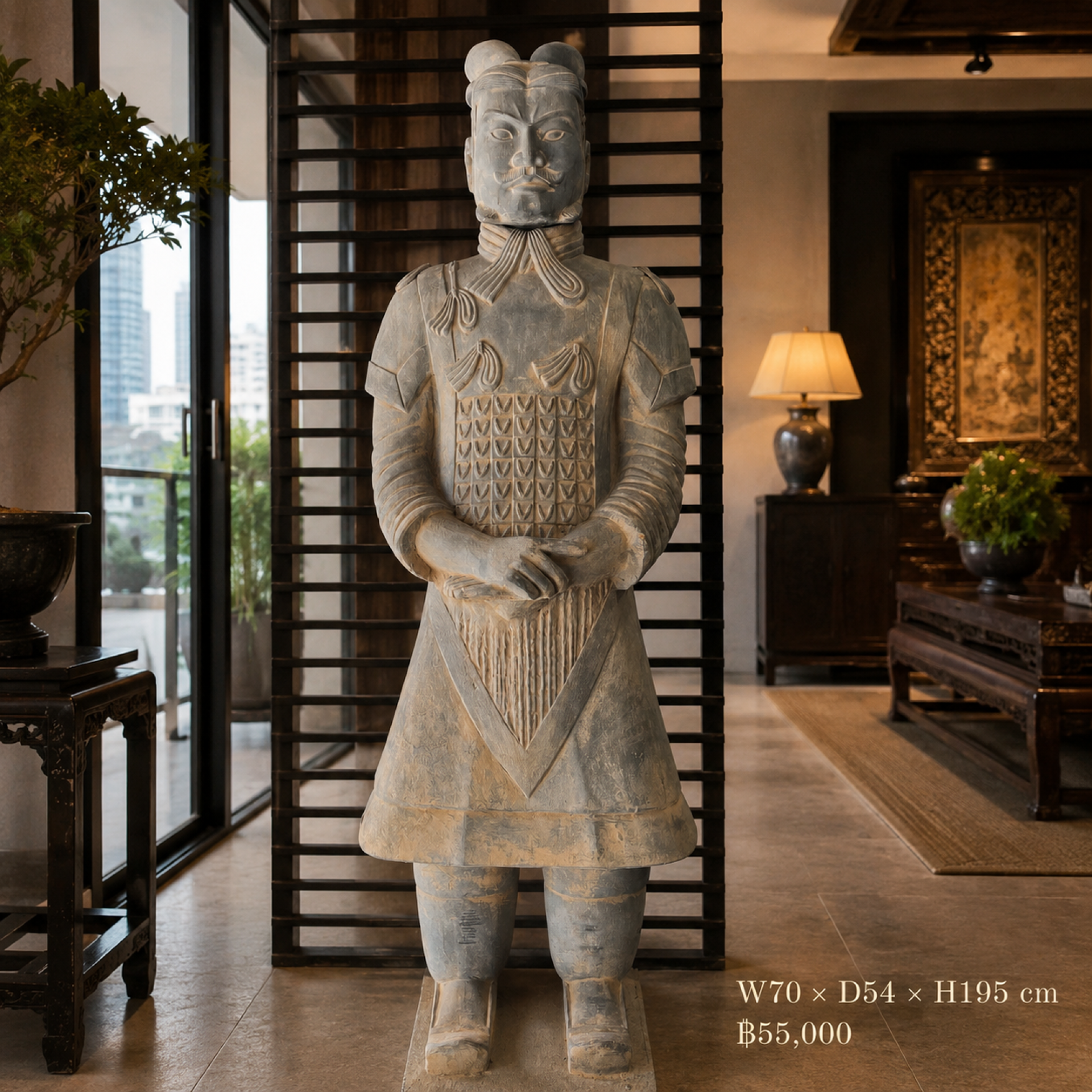
The most successful modern interiors are rarely built from objects that all belong to the same period or style. Instead, they create dialogue between different materials, proportions and visual languages. A Chinese antique cabinet against a restrained architectural wall, for example, can introduce warmth and history into an otherwise contemporary setting.
The challenge is knowing where the furniture should sit, what should surround it, and how much visual space it needs.
Rather than treating Chinese antique furniture as a theme, think of it as an individual element within the architecture of the room. Its value comes from the relationship it creates with everything around it.
Begin With the Relationship Between Old and New
Modern interiors often have a strong architectural vocabulary: clean walls, generous glazing, stone surfaces, concealed lighting and carefully controlled proportions. Chinese antique furniture can work beautifully within this environment precisely because it introduces something different.
The contrast creates interest.
A refined cabinet can soften a severe stone wall. A Chinese antique console table can bring warmth to an entrance defined by contemporary materials. A screen can establish a visual boundary within an open-plan interior without requiring another permanent wall.
The important distinction is between contrast and conflict.
A room does not need several Chinese furniture pieces to communicate a connection with Chinese design. In many cases, one carefully positioned piece is more effective than a collection of objects competing for attention.
This approach also allows the furniture to remain recognisably itself. Its form, surface, hardware and craftsmanship can be appreciated without being surrounded by so many related decorative elements that the room begins to feel themed.
Historically, Chinese furniture itself has never existed independently of architecture. The Metropolitan Museum of Art notes that traditional Chinese furniture shares materials, techniques and design patterns with architecture, while furniture arrangement was connected to architectural principles and the organisation of interior space.
That relationship remains useful when thinking about contemporary interiors today.
Choose the Right Position
Placement should begin with the architecture rather than the furniture catalogue.
Before deciding where a Chinese antique piece should go, look at the room's strongest lines: the main entrance, windows, columns, walls, circulation routes and existing focal points. Then consider where the furniture can contribute to the composition rather than interrupt it.
Create a Natural Focal Point
A substantial Chinese antique cabinet can become a natural focal point in a living room, dining area or entrance hall.
The best position is often one that is already visually important. A wall directly visible from an entrance, for example, can give the piece immediate presence. A cabinet placed at the end of a circulation axis can create a destination for the eye.
A Chinese antique console table can perform a similar role in an entryway. Rather than filling the entrance with several decorative objects, allow the console to establish the first visual impression and keep the surrounding architecture relatively quiet.
Screens offer another possibility. Because they have vertical presence, a Chinese antique screen can help define an area within an open-plan room while preserving a sense of visual connection.
Consider Sightlines and Movement
A beautiful piece can still feel misplaced if people have to walk around it awkwardly.
Leave sufficient space for circulation and consider what the furniture looks like from the main approaches to the room. A cabinet that appears balanced when viewed straight on may feel heavy if it blocks a major sightline.
The goal is to make the placement feel inevitable—as though the architecture and furniture were considered together.
Use Proportion to Make the Combination Feel Intentional
Proportion is often more important than style.
A contemporary room with high ceilings, large windows and generous floor area can accommodate furniture with considerable vertical or horizontal presence. A smaller condominium living room may require a more restrained piece.
This does not mean that Chinese antique furniture belongs only in large houses. It means that the furniture should be selected according to the scale of the room.
Match the Furniture to the Scale of the Room
Tall cabinets naturally draw the eye upward and can work particularly well where the architecture has sufficient vertical volume.
Longer sideboards can establish horizontal balance along an expansive wall, while a console table may be more appropriate where the furniture needs to remain visually light.
The same principle applies to tables and chairs. A piece should have enough presence to register within the room without becoming disproportionately dominant.
Museums provide useful evidence that historical Chinese furniture encompassed very different scales and functions. The Metropolitan Museum, for example, records a seventeenth-century huanghuali side table more than 2.8 metres long, while other Chinese furniture objects in the same collection are considerably smaller.
The lesson for a modern interior is simple: do not choose furniture by appearance alone. Consider its physical relationship to the architecture.
Let Negative Space Do Some of the Work
One of the easiest mistakes is trying to fill every empty area.
Chinese antique furniture often becomes more compelling when surrounded by breathing room. Empty wall space can make the silhouette clearer. A gap between the furniture and adjacent architectural elements can make the entire composition feel more deliberate.
This is particularly important in contemporary luxury interiors, where spaciousness is part of the visual language.
The room should not feel as though the furniture was squeezed into whatever space remained.
Build a Contemporary Setting Around the Antique Piece
Once the furniture has been positioned, the surrounding materials can determine how contemporary or traditional the room feels.
The most sophisticated combinations usually avoid literal matching.
Pair Traditional Craftsmanship With Modern Materials
Stone, glass, plaster, contemporary upholstery and refined metalwork can all provide a modern counterpoint to Chinese antique furniture.
Imagine a dark wood cabinet against a pale architectural wall, or an antique console placed above a restrained stone floor. The contrast allows both elements to become clearer.
This is particularly effective when the modern materials are quiet rather than highly decorative.
Chinese furniture has a long history of sophisticated construction. Mortise-and-tenon joinery, for example, was used in Chinese architecture and furniture from very early periods; museum documentation describes the technique as involving projecting tenons fitted into corresponding mortises, sometimes secured with wooden pins or pegs.
This kind of structural craftsmanship gives the furniture an architectural quality of its own. In a modern interior, it can therefore sit comfortably beside contemporary architecture rather than appearing as an unrelated ornament.
Keep the Supporting Furniture Quiet
Once an antique piece has been selected as the visual anchor, everything around it does not need to compete.
Contemporary sofas, restrained lighting, simple artwork and uncluttered surfaces can create enough context without overwhelming the furniture.
The objective is not minimalism for its own sake. It is hierarchy.
One object may carry historical character. Another may provide texture. The architecture may provide scale. Lighting may reveal the surface. Each element has a role.
This creates a room that feels composed rather than decorated.
Adapt the Approach to Different Modern Spaces
The same principles can be applied across different types of contemporary interiors.
Luxury Condominiums and Penthouses
Open-plan apartments can benefit particularly from furniture that creates visual definition.
A Chinese antique screen can separate a dining area from a living space without closing it off completely. A console table can establish an entrance zone within an open plan. A cabinet can anchor a wall that might otherwise feel too architectural or impersonal.
The key is to avoid placing too many substantial pieces into one visual field.
One strong object can often achieve more than several smaller ones.
Modern Villas and Larger Residences
Larger homes provide more freedom, but they also create a greater need for proportion.
A generous room can make a small piece disappear. Conversely, an oversized piece can dominate a carefully balanced architectural composition.
Here, sightlines become especially important. Consider how the furniture relates to large windows, staircases, open courtyards and long corridors.
A Chinese antique piece can become a visual punctuation mark within a larger architectural sequence.
Boutique Hospitality Interiors
The same principle works particularly well in boutique hotels, private clubs and refined hospitality spaces.
Chinese antique furniture can introduce cultural depth without requiring the entire interior to adopt a historical aesthetic.
A single cabinet in a reception area, a screen defining a lounge, or a console within a guest suite can create a sense of place while allowing the broader design to remain contemporary.
The furniture becomes part of the architecture rather than a themed decoration.
Create a Room That Feels Collected, Not Decorated
There is a difference between placing an antique object in a room and giving it a meaningful position.
The first is decoration.
The second is composition.
A well-placed Chinese antique cabinet can establish a room's visual centre. A console can give an entrance a sense of arrival. A screen can create privacy while preserving openness. A table can introduce material warmth into an otherwise highly polished environment.
The furniture becomes valuable to the room because of the relationship it creates.
This is also why the best interiors do not necessarily contain the greatest number of exceptional objects. A carefully selected piece can have greater presence when it is allowed to stand apart.
Historical Chinese furniture provides many examples of this relationship between object and setting. The Metropolitan Museum's collections include Ming and Qing furniture in architectural and gallery contexts, illustrating how furniture can be understood through its relationship to space, function and surrounding objects.
For a contemporary homeowner, the principle is remarkably relevant: select the piece, understand its proportions, identify its role, and then give it enough space to perform that role.
The Quiet Power of Contrast
The appeal of Chinese antique furniture in a modern interior lies partly in what it refuses to do.
It does not need to make the room look old.
It does not need to turn a contemporary home into a historical recreation.
Instead, it can introduce another layer of time, craftsmanship and material character into an otherwise modern environment.
That contrast is often what makes the room feel personal.
For a Bangkok condominium, a private villa or a contemporary hospitality project, the most successful approach is usually one of restraint: choose a piece with presence, position it carefully, and allow the architecture around it to remain calm.
At Chinese House, the collection can be considered not simply as furniture, but as individual pieces to be placed thoughtfully within contemporary interiors—according to proportion, function, architecture and personal taste.
The result is a home that feels collected rather than decorated, with traditional craftsmanship given room to speak in a distinctly modern setting.
FAQ
Can Chinese antique furniture work in a minimalist modern interior?
Yes. A single Chinese antique cabinet, console table or screen can provide warmth and visual character within a minimalist setting. The key is to maintain sufficient negative space and avoid surrounding it with too many competing decorative elements.
Where should I place Chinese antique furniture in a modern home?
Begin with the room's architecture and sightlines. Entryways, prominent walls, dining areas and open-plan transition points can work particularly well. The right position depends on the furniture's proportions and the scale of the surrounding space.
How do I make Chinese antique furniture look contemporary?
Pair it with restrained modern architecture and materials such as stone, glass, plaster, contemporary upholstery or refined metalwork. Keeping the surrounding furniture and decoration relatively quiet allows the antique piece to become a deliberate focal point rather than making the entire room feel traditional.
Related Contents
How Chinese Antique Furniture Adds Character to Minimalist Interiors