
Chinese Antique Lattice Doors
Quantity
Short Description
A contemporary interior does not need every element to share the same visual language. Sometimes, the most memorable spaces are those that allow contrasting materials, periods and design traditions to sit comfortably together.
Dimension: Width 58 x Depth 5 x Height 270 cm.
Price: 56000 Baht
An Architectural Detail with Its Own Character
A contemporary interior does not need every element to share the same visual language. Sometimes, the most memorable spaces are those that allow contrasting materials, periods and design traditions to sit comfortably together.
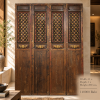
These Chinese antique doors offer precisely that opportunity. Their deep reddish-brown frames, intricate vertical latticework, carved decorative panels and weathered lower sections create a strong architectural presence. The surface reveals variations in colour, visible wear and traces of golden-toned paint, giving the pair a distinctive appearance that a uniformly finished modern element would not replicate.
The result is not simply a decorative object placed within a room. It is a piece that can influence how the surrounding architecture is perceived.
The Beauty of Geometry and Surface
The upper sections feature elongated inset panels above tall lattice openings. Repeated vertical bars establish a clear rhythm, while the horizontal crosspieces introduce a measured interruption to the pattern. Below, carved ornamental panels provide a more intricate counterpoint to the straight lines above.
This arrangement creates a pleasing balance between order and detail. The latticework draws the eye vertically, while the carved sections reward closer inspection. The reddish-brown finish unifies these different elements, although the worn surface introduces variations that keep the overall appearance from feeling overly uniform.
The contrast between the dark timber tones and exposed golden-coloured areas is particularly expressive. Rather than treating these visible marks as something to overlook, an interior designer can consider them part of the doors' present character.
No particular wood species, historical period or provenance is assumed here; the appeal rests on what can be observed in the piece itself.
Bringing Traditional Chinese Design into a Contemporary Villa
In a modern villa, these doors can establish a focal point against warm limestone, pale plaster or softly textured walls. The surrounding architecture can remain simple, allowing the doors' latticework and carved panels to provide the detail.
Their visual weight also makes them suitable for interiors where a single expressive feature is more effective than numerous decorative accessories. A restrained palette of stone, wood and neutral fabrics can help maintain balance. Darker furniture or carefully selected artwork may echo the doors' deeper tones, while natural daylight can reveal the variations across their surface.
For an interior designer, the useful question is not simply where the doors can be placed, but what role they should play. They might contribute to a traditional architectural composition or create contrast in a contemporary setting. Their eventual use should be determined by the actual installation requirements and the design of the space.
A Choice for Thoughtful Collectors
Furniture and architectural elements are often selected for more than immediate practicality. They can express a preference for craftsmanship, a particular visual language or the pleasure of combining different design traditions.
These doors appeal to that sensibility. Their repeated lattice pattern provides structure, the carved details offer ornamental interest, and the worn finish introduces individuality. Together, these characteristics make them especially relevant to homeowners who prefer collected interiors over spaces that feel entirely coordinated.
For residences in Bangkok and elsewhere in Thailand, Chinese antique elements can sit naturally within contemporary architecture when the surrounding materials and proportions are considered carefully. The aim is not to recreate a historical interior, but to give a modern home greater depth through a deliberate choice of traditional design.
Considering the Space
Before installation, consider the relationship between the doors, the surrounding wall, the intended opening and the circulation of the room. Confirm whether the pair is intended for an operational doorway or decorative architectural use, and assess the hardware, mounting and structural requirements accordingly.
Their dimensions are provided above for planning purposes. These measurements should be assessed against the intended installation rather than treated as a guarantee of compatibility with a particular opening.
Explore Chinese Antique Doors at Chinese House
Chinese House presents Chinese antique furniture for interiors where character, proportion and thoughtful selection matter. These doors offer a distinctive way to introduce traditional Chinese latticework and weathered surface detail into a carefully considered setting.
If you are planning a villa, residence or design project, consider how their reddish-brown tones and carved details would relate to your existing architecture. Contact Chinese House to discuss the piece and arrange a visit to the Bangkok showroom.


 MakeWebEasy