How to Style Chinese Antique Furniture in a Modern Luxury Interior
1553 Views
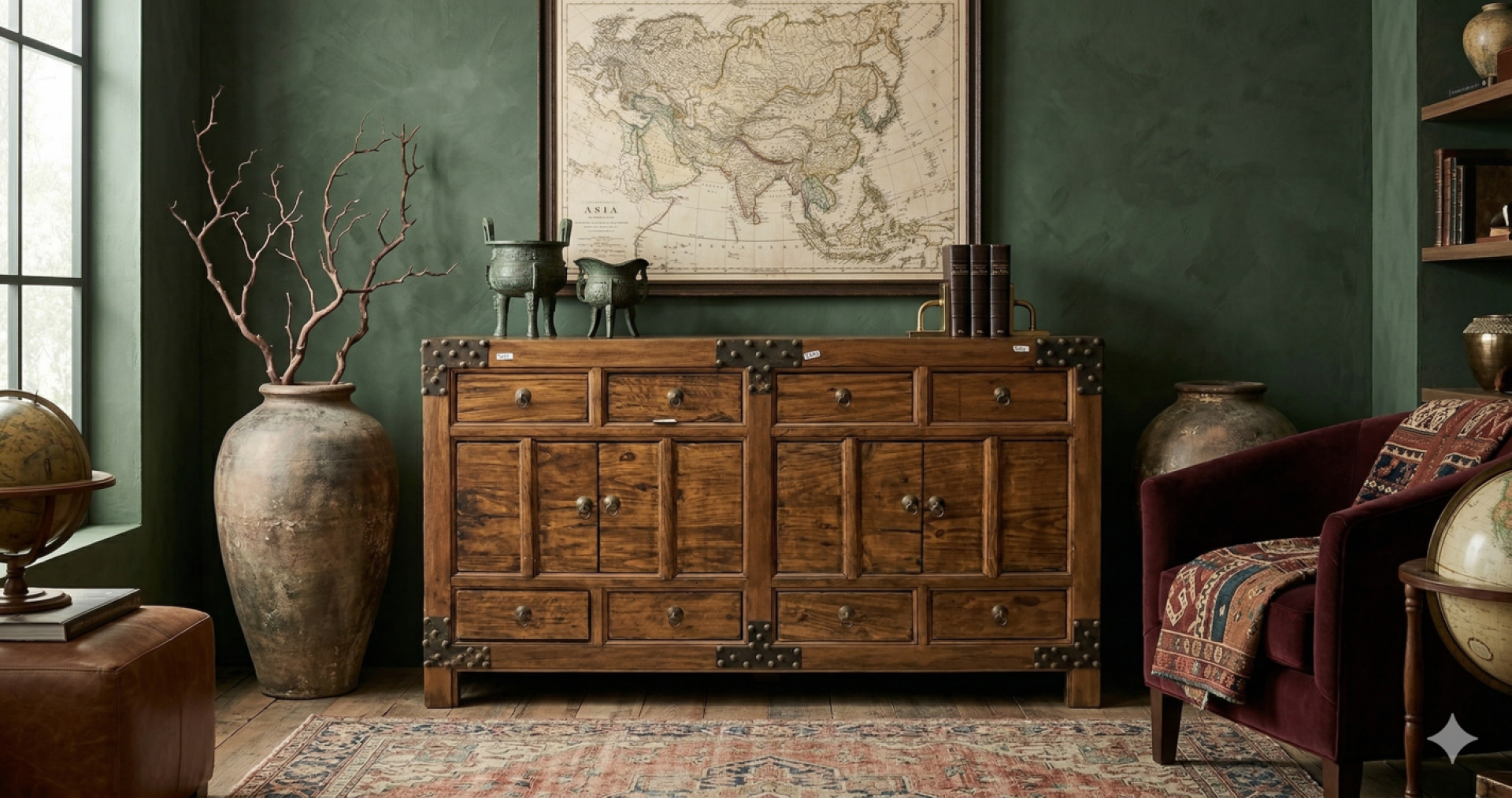
The key is not to surround the furniture with more of the same. It is to understand proportion, contrast, negative space and the relationship between an exceptional piece and the architecture around it.
In a luxury interior, Chinese antique furniture works best when it feels considered rather than arranged. A cabinet may stand quietly against a limestone wall. A screen may define a transition between spaces. A console may bring warmth to an otherwise restrained entrance. The furniture becomes part of the architecture and, ultimately, part of the identity of the home.
Why Chinese Antique Furniture Works in Modern Interiors
Modern luxury interiors often depend on clean architectural lines, restrained materials and carefully controlled visual rhythm. This creates an interesting setting for furniture with a stronger sense of character.
Chinese antique furniture can introduce qualities that a highly contemporary interior sometimes lacks: visible material presence, craftsmanship, irregularity and visual history.
The contrast is particularly effective when it is allowed to remain a contrast.
A contemporary sofa does not need to resemble an antique chair. A stone floor does not need to repeat the colour of an old wooden cabinet. A modern architectural wall does not need traditional decoration to justify the presence of a Chinese antique piece.
Instead, the differences give each element greater definition.
This is why a single cabinet can sometimes have more impact than an entire room furnished around one decorative theme. The antique becomes a point of visual concentration, while the contemporary surroundings provide the restraint that allows it to be appreciated.
Treat the Furniture as Part of the Architecture
One useful way to approach Chinese antique furniture is to stop thinking of it simply as decoration.
Consider where the eye naturally travels when entering the room. Consider the height of the ceiling, the width of the wall, the distance between furniture and circulation paths, and what can be seen from adjacent spaces.
A tall cabinet can emphasise verticality. A console can establish a visual pause along a long wall. A screen can create definition between two areas without requiring a permanent architectural division.
The furniture therefore participates in the structure of the room.
Start With Proportion, Not Style
Style is often the first thing people consider when choosing furniture. In a sophisticated interior, proportion deserves attention first.
An exceptional antique piece can still feel wrong if it is too large for its wall, too low beneath a high ceiling or too visually dense for the surrounding furniture.
Before considering colour or decorative details, look at the relationship between the piece and the room.
Consider the Scale of the Space
A generous villa or penthouse may accommodate a substantial cabinet or a larger composition with ease. A luxury condominium may benefit from a more restrained piece with enough surrounding space to remain visually important.
The objective is not simply to fill an empty area.
Empty space is part of the composition.
When an antique cabinet has breathing room around it, its silhouette becomes clearer. When a console is surrounded by too many objects, its own character can disappear. When a screen is placed too close to competing furniture, its architectural function becomes less apparent.
Good styling often begins with knowing what to leave empty.
Let Height and Width Create Visual Rhythm
Different furniture forms create different architectural effects.
A tall cabinet can draw the eye upward and establish a stronger vertical rhythm. A sideboard can create horizontal stability. A console table can create a lighter transition between architecture and furniture. A screen can divide a room while simultaneously contributing height and texture.
The choice should respond to the room rather than follow a predetermined formula.
Create Contrast With Contemporary Materials
One of the most effective ways to style Chinese antique furniture is to place it alongside materials that belong clearly to the contemporary interior.
Stone, glass, metal, plaster, linen and modern upholstery can provide a quiet counterpoint to the character of antique wood and traditional furniture forms.
Pair Wood With Stone
A restrained stone wall or floor can give a Chinese antique cabinet a particularly strong presence.
The relationship does not need to be colour-matched. In fact, excessive matching can make the interior feel overly designed.
Instead, allow differences in texture to create interest. The visual warmth of wood can sit comfortably against the cooler, more architectural quality of stone.
This approach is especially appropriate in contemporary Bangkok residences where polished architectural surfaces and natural materials often form the foundation of the interior.
Use Modern Furniture as a Counterpoint
A contemporary sofa beside an antique cabinet can be more convincing than a collection of furniture from the same visual period.
The contrast creates hierarchy.
The modern pieces provide comfort and visual calm. The antique introduces individuality. Neither needs to imitate the other.
Lighting can follow the same principle. A contemporary pendant or architectural lighting scheme can illuminate an antique piece without requiring the rest of the room to adopt a traditional aesthetic.
Do Not Match Everything
Luxury interiors rarely depend on perfect coordination.
Instead of matching the wood tone of every piece, consider relationships between materials, scale and colour. A dark cabinet might sit comfortably with pale upholstery. A warm wooden table may work against a neutral architectural palette. A screen may introduce a visual boundary without requiring decorative repetition elsewhere.
The room should feel composed, not manufactured.
How to Style Chinese Antique Furniture in Different Rooms
Different furniture categories naturally create different opportunities within a modern home.
Chinese Antique Cabinets as Visual Anchors
A Chinese antique cabinet can provide a strong focal point in a living room, dining area, entrance hall or private study.
Its presence becomes particularly effective when the surrounding architecture is restrained.
Rather than filling the top with decorative objects, consider whether the cabinet is strong enough to stand on its own. In many cases, restraint makes the furniture more visually powerful.
A cabinet placed against a calm wall can become an architectural pause within an otherwise open-plan interior.
Chinese Antique Tall Cabinets for Vertical Emphasis
Tall cabinets can be particularly effective in spaces with generous ceiling height.
Their vertical form naturally draws attention upward, helping connect the furniture to the architecture above it.
This can work well in a double-height entrance, a large living area or a spacious master suite, provided the surrounding space is not already visually crowded.
The important consideration is scale. A tall cabinet should feel intentional within the architecture rather than simply large.
Chinese Antique & Reproduction Screens as Spatial Architecture
Screens offer a different possibility.
Rather than using a screen purely as an ornamental object, consider what it can do to the plan of the room.
It can create a degree of separation between an entrance and living area, define a reading corner, create privacy around a dining space or introduce a transition between different zones.
In an open-plan interior, this can be particularly valuable because the screen provides definition without creating a permanent wall.
Chinese Antique Tables & Chairs as Functional Focal Points
Tables and chairs bring Chinese furniture into the everyday experience of the room.
A dining table can become the centre of a contemporary dining space, while individual chairs can introduce character around a modern table or within a quieter seating arrangement.
The important point is to allow function and visual character to coexist.
Furniture does not have to look decorative to be significant.
Sideboards and Console Tables for Quieter Statements
A sideboard or console table can be useful when the intention is to introduce Chinese antique furniture without creating a dominant focal point.
A console in an entrance can establish the first visual impression of the home. A sideboard can anchor a dining room while providing practical storage.
These pieces can be particularly effective in minimalist interiors because they introduce character without requiring extensive decoration.
How to Make the Interior Feel Curated Rather Than Themed
There is an important distinction between an interior that incorporates Chinese antique furniture and one that attempts to reproduce an entire historical aesthetic.
For a contemporary luxury home, the first approach is usually more architectural.
The furniture should belong to the room without making every element belong to the same period or visual vocabulary.
Mix Design Languages With Intention
A contemporary home can contain an antique cabinet, modern artwork, sculptural lighting and contemporary upholstery without becoming visually confused.
The relationship comes from proportion and restraint rather than historical uniformity.
Think about what each piece contributes.
One may provide height. Another may provide warmth. Another may establish a functional centre. Another may simply create a moment of visual interest.
When every object has a reason to be there, the room begins to feel curated.
Repeat Materials Subtly
Repetition can help create cohesion, but it does not need to be literal.
A warm wood tone might relate quietly to another natural material elsewhere in the room. A neutral textile may echo the architectural palette. A dark accent may appear once or twice without becoming a decorative theme.
This creates continuity while preserving individuality.
Give Exceptional Pieces Room to Breathe
One of the most common styling mistakes is placing too many decorative elements around an important piece of furniture.
The more visually distinctive the furniture, the more useful negative space becomes.
A Chinese antique cabinet does not necessarily need artwork above it, objects on every surface and matching furniture around it.
Sometimes the most luxurious arrangement is simply the furniture, the architecture and enough space for both to be seen clearly.
From Bangkok Penthouses to Private Villas
The same principles can be adapted to very different homes.
In a Bangkok penthouse, a Chinese antique cabinet can create warmth within a contemporary open-plan interior dominated by glass, stone and clean architectural lines.
In a private villa, a larger piece may relate to generous circulation areas, higher ceilings and stronger connections between indoor and outdoor spaces.
In a more compact luxury condominium, the emphasis may shift toward proportion. A carefully selected console, bedside cabinet or smaller cabinet can create character without overwhelming the room.
For interior designers and architects, this is where Chinese antique furniture becomes particularly interesting. The furniture is not simply an object selected after the architecture has been completed. It can become part of the spatial conversation from the beginning.
The Art of Choosing One Piece Well
The most successful interiors do not necessarily contain the greatest number of remarkable objects.
They contain objects that have been given the right relationships.
Chinese antique furniture can contribute a distinctive sense of material, craftsmanship and character to a contemporary interior, but its impact depends on how it is placed.
Consider the room first.
Look at its proportions. Understand its circulation. Identify where the eye naturally rests. Then choose a piece that contributes something the room genuinely needs.
Perhaps it is warmth.
Perhaps it is height.
Perhaps it is contrast.
Perhaps it is simply a stronger sense of personality.
The best choice is rarely the piece that fills the most space. It is the piece that makes the space feel more considered.
At Chinese House, we believe Chinese antique furniture is most compelling when it becomes part of a thoughtfully composed interior rather than a decorative theme. For homeowners, designers and architects in Bangkok and beyond, exploring the relationship between individual pieces and contemporary architecture can reveal possibilities that are difficult to see from a photograph alone.
A visit to the Chinese House showroom offers the opportunity to experience the scale, surface, proportion and presence of Chinese antique furniture in person—and to consider how one carefully chosen piece might belong in your own interior.
FAQ
How do you mix Chinese antique furniture with modern furniture?
Begin with proportion and contrast rather than trying to match styles. A Chinese antique cabinet, screen, table or console can sit alongside contemporary upholstery, stone, glass and modern lighting. Keep the surrounding composition restrained so the antique piece retains visual presence.
Can Chinese antique furniture work in a minimalist interior?
Yes. Minimalist architecture can provide a strong setting for an individual antique piece because the surrounding restraint allows its form, material and craftsmanship to become more noticeable. The key is to avoid overcrowding the space.
Where should I place Chinese antique furniture in a modern home?
Consider areas where the furniture can contribute both visually and functionally, such as an entrance, living room, dining room, study, master suite or transitional space. Start with the room's scale, circulation and sightlines before deciding on the furniture.
In a luxury interior, Chinese antique furniture works best when it feels considered rather than arranged. A cabinet may stand quietly against a limestone wall. A screen may define a transition between spaces. A console may bring warmth to an otherwise restrained entrance. The furniture becomes part of the architecture and, ultimately, part of the identity of the home.
Why Chinese Antique Furniture Works in Modern Interiors
Modern luxury interiors often depend on clean architectural lines, restrained materials and carefully controlled visual rhythm. This creates an interesting setting for furniture with a stronger sense of character.
Chinese antique furniture can introduce qualities that a highly contemporary interior sometimes lacks: visible material presence, craftsmanship, irregularity and visual history.
The contrast is particularly effective when it is allowed to remain a contrast.
A contemporary sofa does not need to resemble an antique chair. A stone floor does not need to repeat the colour of an old wooden cabinet. A modern architectural wall does not need traditional decoration to justify the presence of a Chinese antique piece.
Instead, the differences give each element greater definition.
This is why a single cabinet can sometimes have more impact than an entire room furnished around one decorative theme. The antique becomes a point of visual concentration, while the contemporary surroundings provide the restraint that allows it to be appreciated.
Treat the Furniture as Part of the Architecture
One useful way to approach Chinese antique furniture is to stop thinking of it simply as decoration.
Consider where the eye naturally travels when entering the room. Consider the height of the ceiling, the width of the wall, the distance between furniture and circulation paths, and what can be seen from adjacent spaces.
A tall cabinet can emphasise verticality. A console can establish a visual pause along a long wall. A screen can create definition between two areas without requiring a permanent architectural division.
The furniture therefore participates in the structure of the room.
Start With Proportion, Not Style
Style is often the first thing people consider when choosing furniture. In a sophisticated interior, proportion deserves attention first.
An exceptional antique piece can still feel wrong if it is too large for its wall, too low beneath a high ceiling or too visually dense for the surrounding furniture.
Before considering colour or decorative details, look at the relationship between the piece and the room.
Consider the Scale of the Space
A generous villa or penthouse may accommodate a substantial cabinet or a larger composition with ease. A luxury condominium may benefit from a more restrained piece with enough surrounding space to remain visually important.
The objective is not simply to fill an empty area.
Empty space is part of the composition.
When an antique cabinet has breathing room around it, its silhouette becomes clearer. When a console is surrounded by too many objects, its own character can disappear. When a screen is placed too close to competing furniture, its architectural function becomes less apparent.
Good styling often begins with knowing what to leave empty.
Let Height and Width Create Visual Rhythm
Different furniture forms create different architectural effects.
A tall cabinet can draw the eye upward and establish a stronger vertical rhythm. A sideboard can create horizontal stability. A console table can create a lighter transition between architecture and furniture. A screen can divide a room while simultaneously contributing height and texture.
The choice should respond to the room rather than follow a predetermined formula.
Create Contrast With Contemporary Materials
One of the most effective ways to style Chinese antique furniture is to place it alongside materials that belong clearly to the contemporary interior.
Stone, glass, metal, plaster, linen and modern upholstery can provide a quiet counterpoint to the character of antique wood and traditional furniture forms.
Pair Wood With Stone
A restrained stone wall or floor can give a Chinese antique cabinet a particularly strong presence.
The relationship does not need to be colour-matched. In fact, excessive matching can make the interior feel overly designed.
Instead, allow differences in texture to create interest. The visual warmth of wood can sit comfortably against the cooler, more architectural quality of stone.
This approach is especially appropriate in contemporary Bangkok residences where polished architectural surfaces and natural materials often form the foundation of the interior.
Use Modern Furniture as a Counterpoint
A contemporary sofa beside an antique cabinet can be more convincing than a collection of furniture from the same visual period.
The contrast creates hierarchy.
The modern pieces provide comfort and visual calm. The antique introduces individuality. Neither needs to imitate the other.
Lighting can follow the same principle. A contemporary pendant or architectural lighting scheme can illuminate an antique piece without requiring the rest of the room to adopt a traditional aesthetic.
Do Not Match Everything
Luxury interiors rarely depend on perfect coordination.
Instead of matching the wood tone of every piece, consider relationships between materials, scale and colour. A dark cabinet might sit comfortably with pale upholstery. A warm wooden table may work against a neutral architectural palette. A screen may introduce a visual boundary without requiring decorative repetition elsewhere.
The room should feel composed, not manufactured.
How to Style Chinese Antique Furniture in Different Rooms
Different furniture categories naturally create different opportunities within a modern home.
Chinese Antique Cabinets as Visual Anchors
A Chinese antique cabinet can provide a strong focal point in a living room, dining area, entrance hall or private study.
Its presence becomes particularly effective when the surrounding architecture is restrained.
Rather than filling the top with decorative objects, consider whether the cabinet is strong enough to stand on its own. In many cases, restraint makes the furniture more visually powerful.
A cabinet placed against a calm wall can become an architectural pause within an otherwise open-plan interior.
Chinese Antique Tall Cabinets for Vertical Emphasis
Tall cabinets can be particularly effective in spaces with generous ceiling height.
Their vertical form naturally draws attention upward, helping connect the furniture to the architecture above it.
This can work well in a double-height entrance, a large living area or a spacious master suite, provided the surrounding space is not already visually crowded.
The important consideration is scale. A tall cabinet should feel intentional within the architecture rather than simply large.
Chinese Antique & Reproduction Screens as Spatial Architecture
Screens offer a different possibility.
Rather than using a screen purely as an ornamental object, consider what it can do to the plan of the room.
It can create a degree of separation between an entrance and living area, define a reading corner, create privacy around a dining space or introduce a transition between different zones.
In an open-plan interior, this can be particularly valuable because the screen provides definition without creating a permanent wall.
Chinese Antique Tables & Chairs as Functional Focal Points
Tables and chairs bring Chinese furniture into the everyday experience of the room.
A dining table can become the centre of a contemporary dining space, while individual chairs can introduce character around a modern table or within a quieter seating arrangement.
The important point is to allow function and visual character to coexist.
Furniture does not have to look decorative to be significant.
Sideboards and Console Tables for Quieter Statements
A sideboard or console table can be useful when the intention is to introduce Chinese antique furniture without creating a dominant focal point.
A console in an entrance can establish the first visual impression of the home. A sideboard can anchor a dining room while providing practical storage.
These pieces can be particularly effective in minimalist interiors because they introduce character without requiring extensive decoration.
How to Make the Interior Feel Curated Rather Than Themed
There is an important distinction between an interior that incorporates Chinese antique furniture and one that attempts to reproduce an entire historical aesthetic.
For a contemporary luxury home, the first approach is usually more architectural.
The furniture should belong to the room without making every element belong to the same period or visual vocabulary.
Mix Design Languages With Intention
A contemporary home can contain an antique cabinet, modern artwork, sculptural lighting and contemporary upholstery without becoming visually confused.
The relationship comes from proportion and restraint rather than historical uniformity.
Think about what each piece contributes.
One may provide height. Another may provide warmth. Another may establish a functional centre. Another may simply create a moment of visual interest.
When every object has a reason to be there, the room begins to feel curated.
Repeat Materials Subtly
Repetition can help create cohesion, but it does not need to be literal.
A warm wood tone might relate quietly to another natural material elsewhere in the room. A neutral textile may echo the architectural palette. A dark accent may appear once or twice without becoming a decorative theme.
This creates continuity while preserving individuality.
Give Exceptional Pieces Room to Breathe
One of the most common styling mistakes is placing too many decorative elements around an important piece of furniture.
The more visually distinctive the furniture, the more useful negative space becomes.
A Chinese antique cabinet does not necessarily need artwork above it, objects on every surface and matching furniture around it.
Sometimes the most luxurious arrangement is simply the furniture, the architecture and enough space for both to be seen clearly.
From Bangkok Penthouses to Private Villas
The same principles can be adapted to very different homes.
In a Bangkok penthouse, a Chinese antique cabinet can create warmth within a contemporary open-plan interior dominated by glass, stone and clean architectural lines.
In a private villa, a larger piece may relate to generous circulation areas, higher ceilings and stronger connections between indoor and outdoor spaces.
In a more compact luxury condominium, the emphasis may shift toward proportion. A carefully selected console, bedside cabinet or smaller cabinet can create character without overwhelming the room.
For interior designers and architects, this is where Chinese antique furniture becomes particularly interesting. The furniture is not simply an object selected after the architecture has been completed. It can become part of the spatial conversation from the beginning.
The Art of Choosing One Piece Well
The most successful interiors do not necessarily contain the greatest number of remarkable objects.
They contain objects that have been given the right relationships.
Chinese antique furniture can contribute a distinctive sense of material, craftsmanship and character to a contemporary interior, but its impact depends on how it is placed.
Consider the room first.
Look at its proportions. Understand its circulation. Identify where the eye naturally rests. Then choose a piece that contributes something the room genuinely needs.
Perhaps it is warmth.
Perhaps it is height.
Perhaps it is contrast.
Perhaps it is simply a stronger sense of personality.
The best choice is rarely the piece that fills the most space. It is the piece that makes the space feel more considered.
At Chinese House, we believe Chinese antique furniture is most compelling when it becomes part of a thoughtfully composed interior rather than a decorative theme. For homeowners, designers and architects in Bangkok and beyond, exploring the relationship between individual pieces and contemporary architecture can reveal possibilities that are difficult to see from a photograph alone.
A visit to the Chinese House showroom offers the opportunity to experience the scale, surface, proportion and presence of Chinese antique furniture in person—and to consider how one carefully chosen piece might belong in your own interior.
FAQ
How do you mix Chinese antique furniture with modern furniture?
Begin with proportion and contrast rather than trying to match styles. A Chinese antique cabinet, screen, table or console can sit alongside contemporary upholstery, stone, glass and modern lighting. Keep the surrounding composition restrained so the antique piece retains visual presence.
Can Chinese antique furniture work in a minimalist interior?
Yes. Minimalist architecture can provide a strong setting for an individual antique piece because the surrounding restraint allows its form, material and craftsmanship to become more noticeable. The key is to avoid overcrowding the space.
Where should I place Chinese antique furniture in a modern home?
Consider areas where the furniture can contribute both visually and functionally, such as an entrance, living room, dining room, study, master suite or transitional space. Start with the room's scale, circulation and sightlines before deciding on the furniture.
Related Content
The world of interior design is experiencing a magnificent renaissance, with Chinese Antique Furniture currently taking center stage in the most luxurious homes across the globe. Today’s affluent homeowners and elite designers are moving away from mass-produced modernism, favoring the deep, grounding resonance of historical heritage pieces.
Welcome to Chinese House, your definitive authority on dynastic elegance. If you are curating a highly sophisticated space, staying ahead of the design curve is essential. Let's explore the hottest styling trends dominating the market right now, and discover why these timeless assets are in higher demand than ever before.

The curation of a truly sophisticated living space often hinges on a singular, captivating focal point, and integrating Chinese Antique Furniture into your interior provides exactly that. Among the most versatile and architecturally striking pieces you can acquire is the traditional display cabinet.
Minimalist interiors often leave the eye with nowhere to hide. A beautifully proportioned Chinese antique furniture piece can give that quiet space something more elusive: character.
